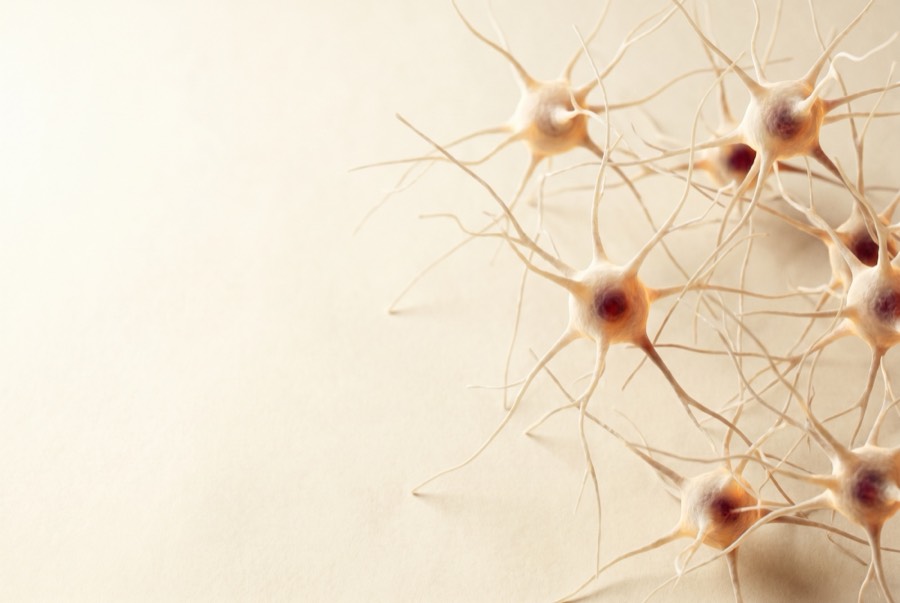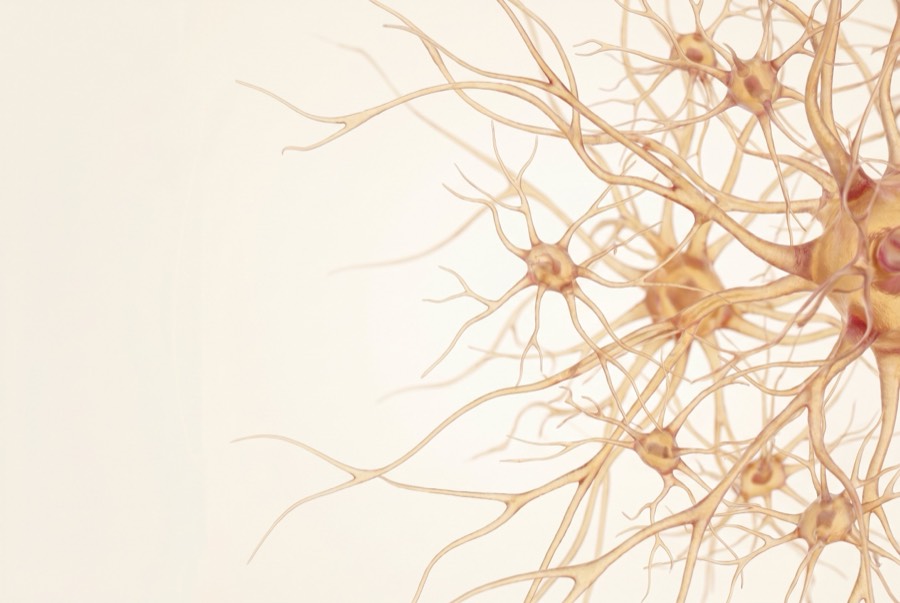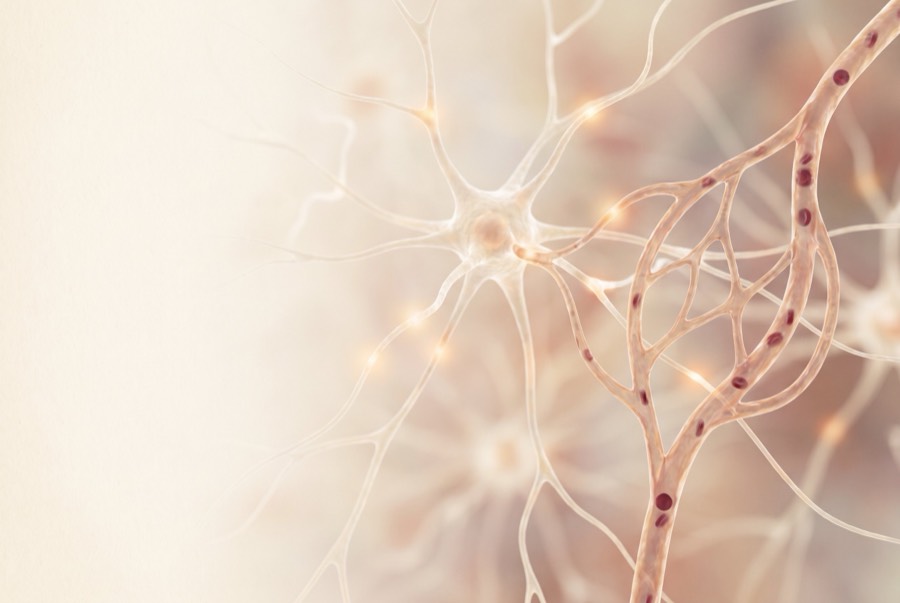

A scientific visualisation of dopaminergic neurons, the cells lost in Parkinson's disease

Parkinson's disease · idiopathic · young-onset · parkinsonism — all stages

Steadying movement in Parkinson's

Parkinson's disrupts movement as dopamine-producing neurons are lost, bringing tremor, stiffness and slowness. Our treatment targets the biology driving it — calming the neuroinflammation that speeds neuron loss and protecting the cells that remain — to reduce tremor, improve motor control and hold on to your independence. Every plan is built around your subtype and stage.

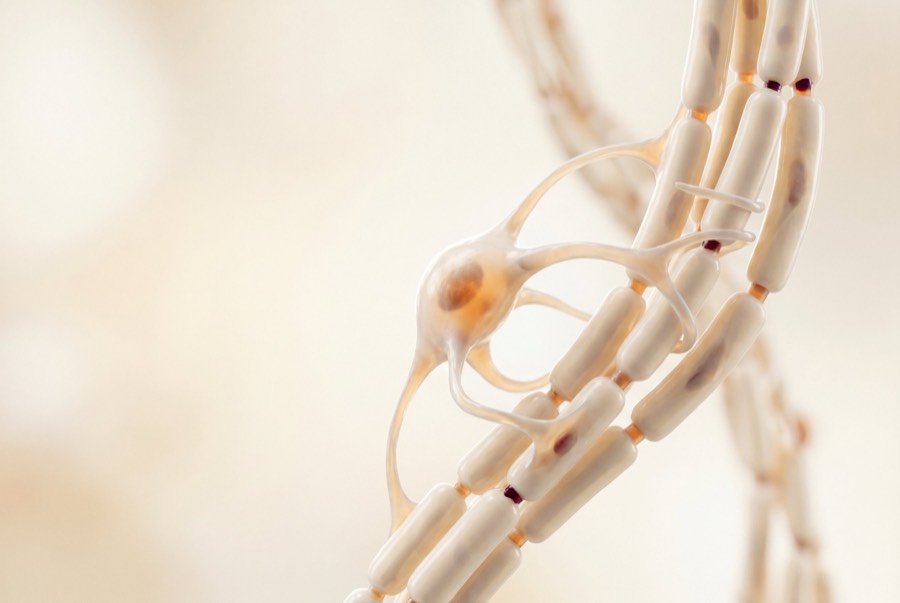
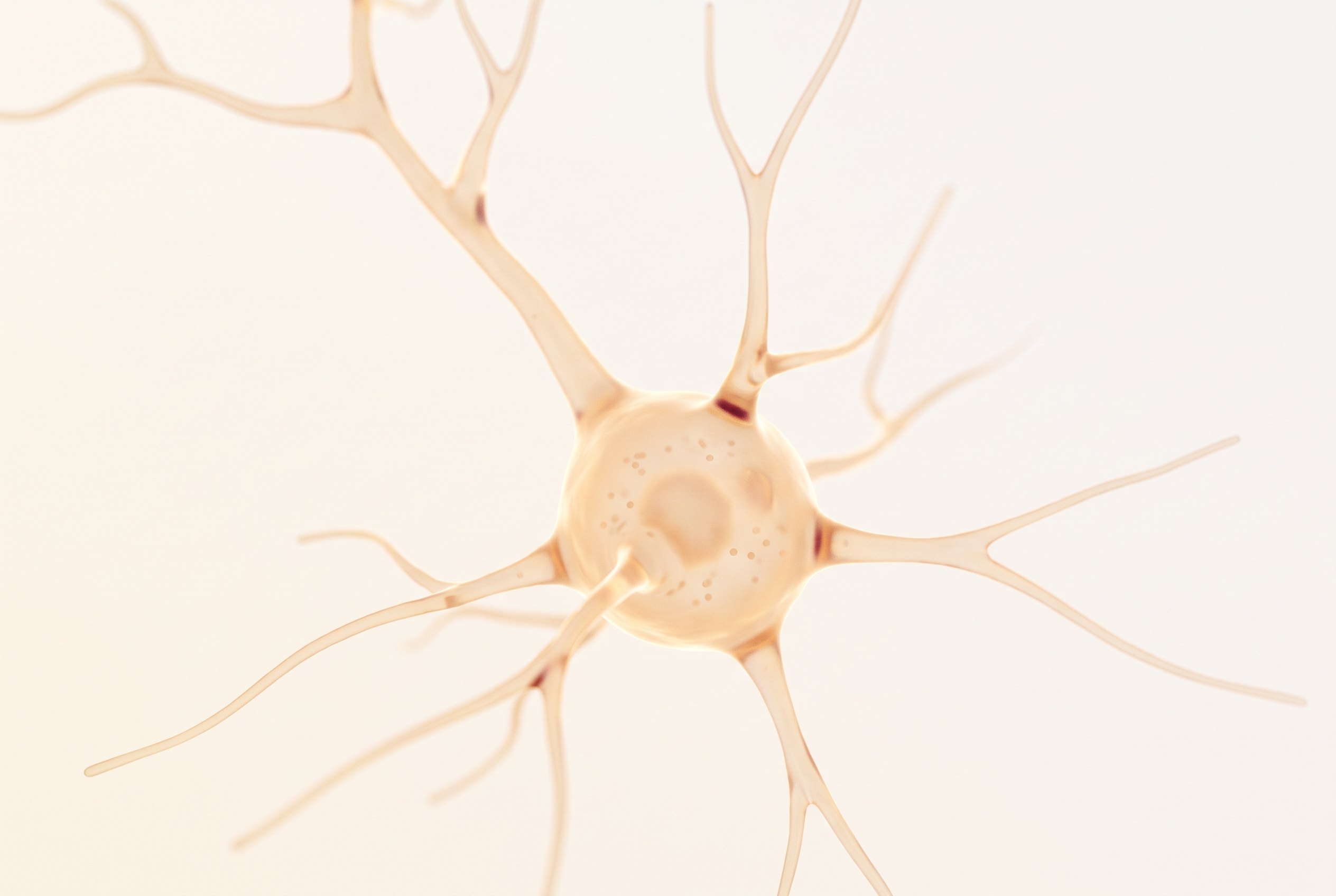
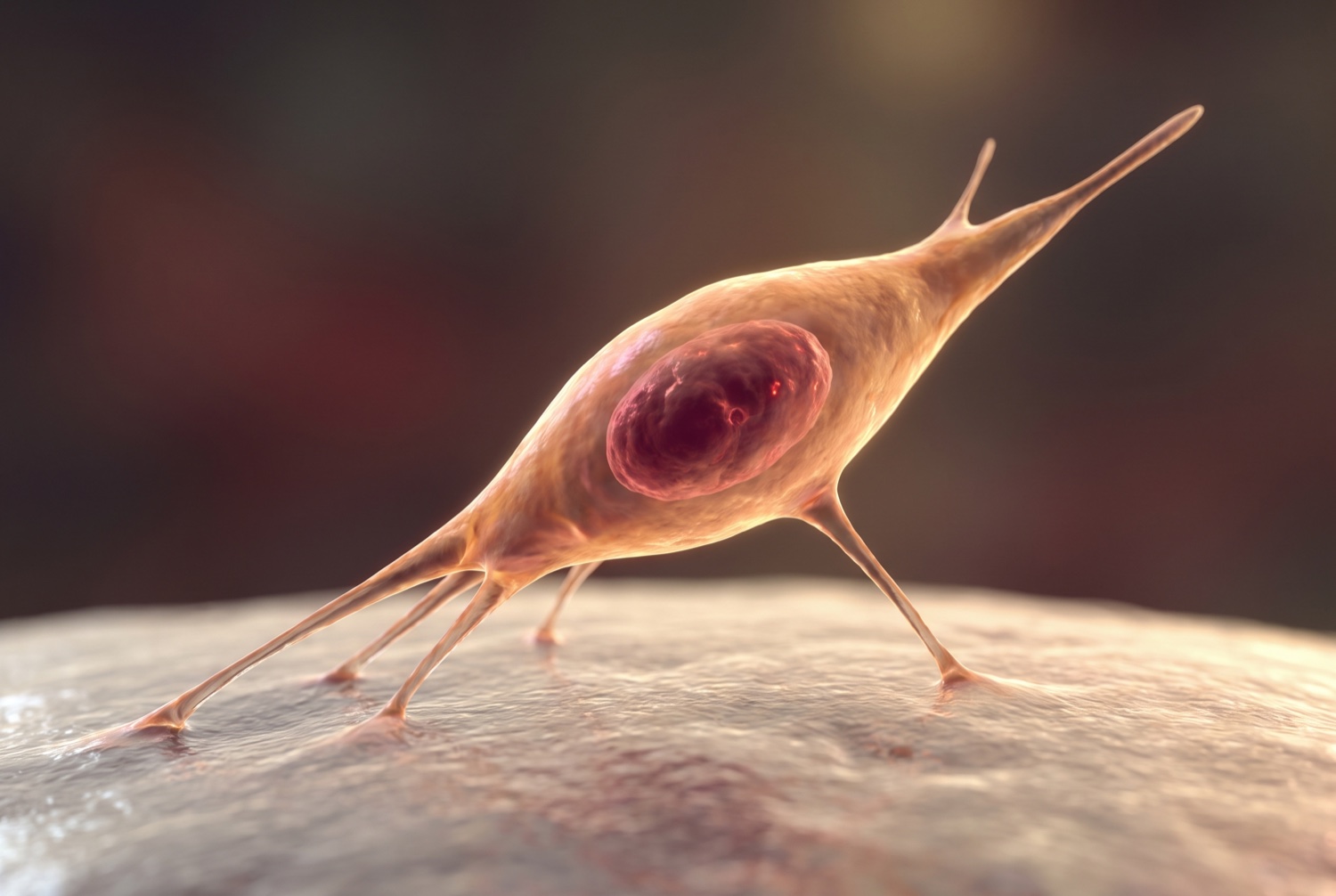
A scientific visualisation of a single dopaminergic neuron

What Parkinson's is, in plain terms.

Parkinson's is a progressive disease of the brain's movement system. Neurons in the substantia nigra that make dopamine are gradually lost, so the signals that coordinate smooth, controlled movement break down. Tremor, rigidity, slowness and unsteady balance follow. Levodopa and dopamine agonists ease the motor symptoms, and they matter — but they do not slow the neuron loss underneath, and their effect often fades over the years. That underlying biology, chronic neuroinflammation and dopaminergic decline, is what our treatment is built to address.

  • Idiopathic ~80–85% of cases
  • Young-onset ~5–10%, diagnosed before 50
  • MSA atypical parkinsonism
  • PSP balance, eye movement & swallowing

What the treatment works to protect.

We do not promise a cure. What we work for is to steady your movement and improve daily life — easing tremor and holding on to the functions Parkinson's disrupts first, so more of each day stays in your hands.

  • Movement & gait Smoother walking, easier turns and fewer freezing episodes.
  • Tremor & fine motor Steadier hands for writing, buttoning and eating.
  • Balance & falls Postural stability and fewer stumbles and falls.
  • Speech & mood Vocal strength, clearer speech and steadier mood and sleep.
  • Energy & independence Reducing fatigue and staying independent in daily tasks.
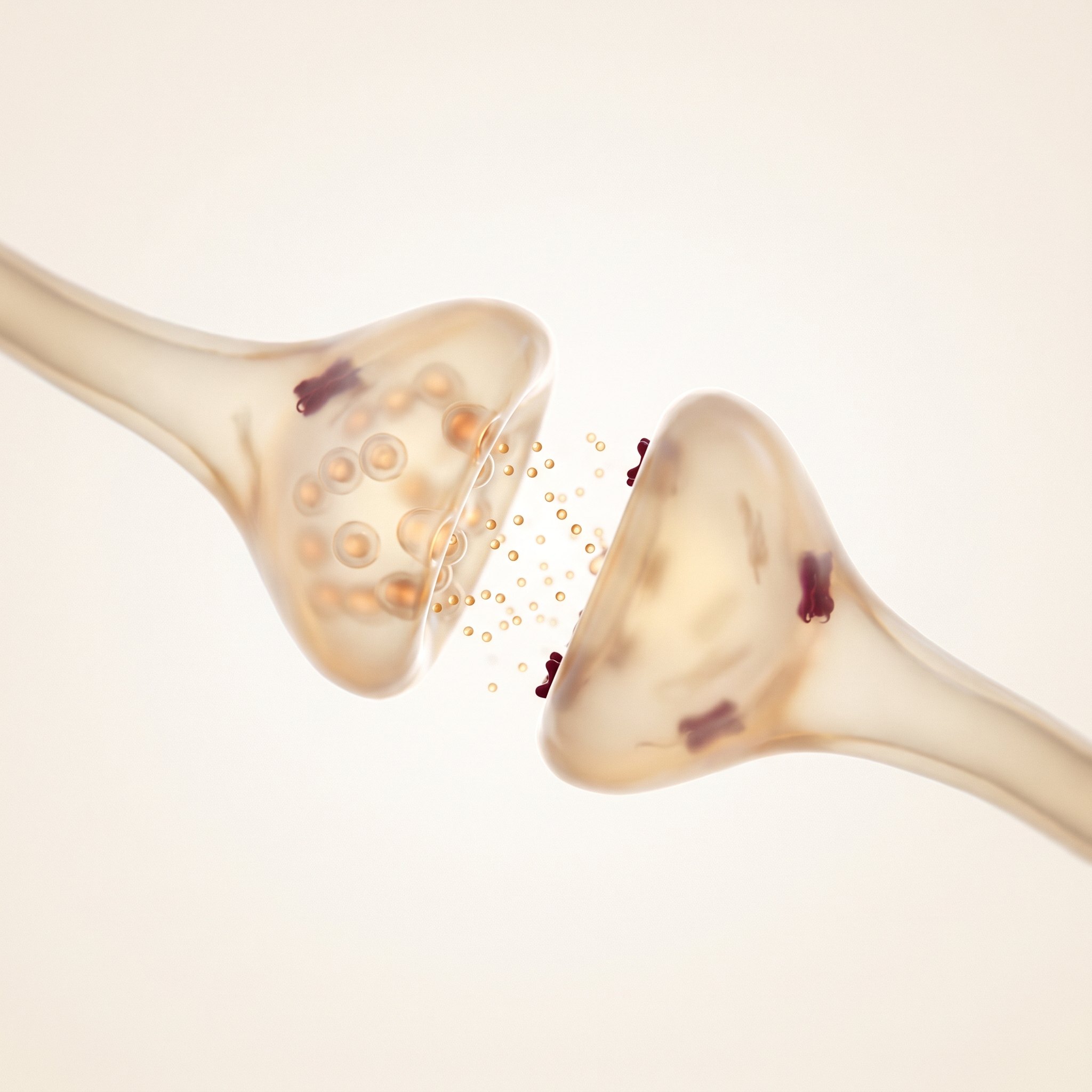
A 3D scientific visualisation of a synapse releasing dopamine between two neurons — the signalling that fails as dopaminergic neurons are lost in Parkinson's

What our Parkinson's patients report.

A registry of what people with Parkinson's have reported since 2019, measured at follow-up and shown as it is. Across the 117 people with Parkinson's we have supported, improvement or stabilisation in at least one area is common — but outcomes vary from person to person, and an average is never a promise.

Share of Parkinson's patients reporting a meaningful improvement or stabilisation · 117 patients, since 2019

  • Tremor, rigidity and fine motor control80%
  • Gait and postural stability78%
  • Functional stabilisation on UPDRS82%
  • Speech, sleep and mood77%
  • Independence in daily activities83%
  • Overall quality of life81%
3.5 years

Average follow-up with sustained functional stability across our Parkinson's patients.

Every result is individual — it depends on your Parkinson's subtype, baseline UPDRS score, disease duration and your body's own biology.

How we treat Parkinson's.

No two protocols are the same. A medical board builds your plan from up to five biological components — combined, sequenced and dosed for your subtype and stage. Each works on a different driver of Parkinson's, and together they aim to calm the neuroinflammation, protect the dopaminergic neurons that remain and improve how you function day to day.

  • Non-surgical — delivered by infusion or targeted injection, no implant and no anaesthesia
  • Works alongside levodopa, dopamine agonists and your existing medication
  • No rejection risk and no immunosuppression
  • Targets the neuroprotective side of Parkinson's that medication does not reach, not only the symptoms
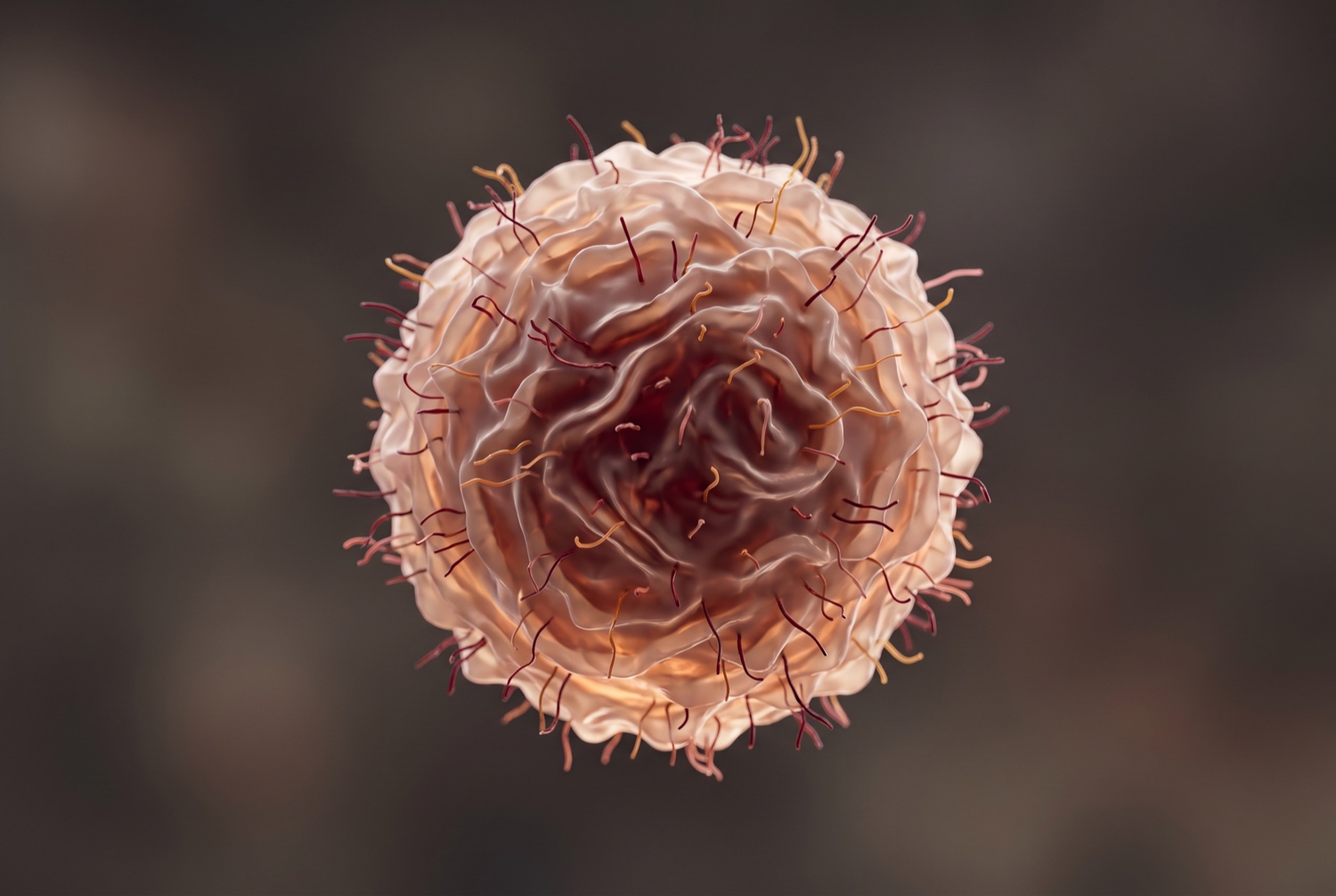
  1. In Parkinson's the immune system's microglia stay switched on, and that chronic inflammation speeds the loss of dopamine-producing neurons. T-regulatory cells are the immune system's own off-switch for this self-attack — and people with Parkinson's tend to have too few of them working. Supplementing them restores the neuro-immune balance the disease disrupts, easing the inflammatory damage to dopaminergic pathways without the blanket immunosuppression that would leave you exposed. Prepared from your own blood, or from a certified donor. This is the component we lead with in Parkinson's.

    3D visualisation of a T-regulatory immune cell
  2. By the time movement symptoms appear, most of the dopaminergic neurons in the substantia nigra are already gone. These multipotent cells calm the inflammation in that region and support the survival of the neurons that remain, easing the oxidative stress and alpha-synuclein build-up that drive Parkinson's. They carry almost no rejection markers, so they can be used without immunosuppression, whether drawn from your own bone marrow or a matched donor.

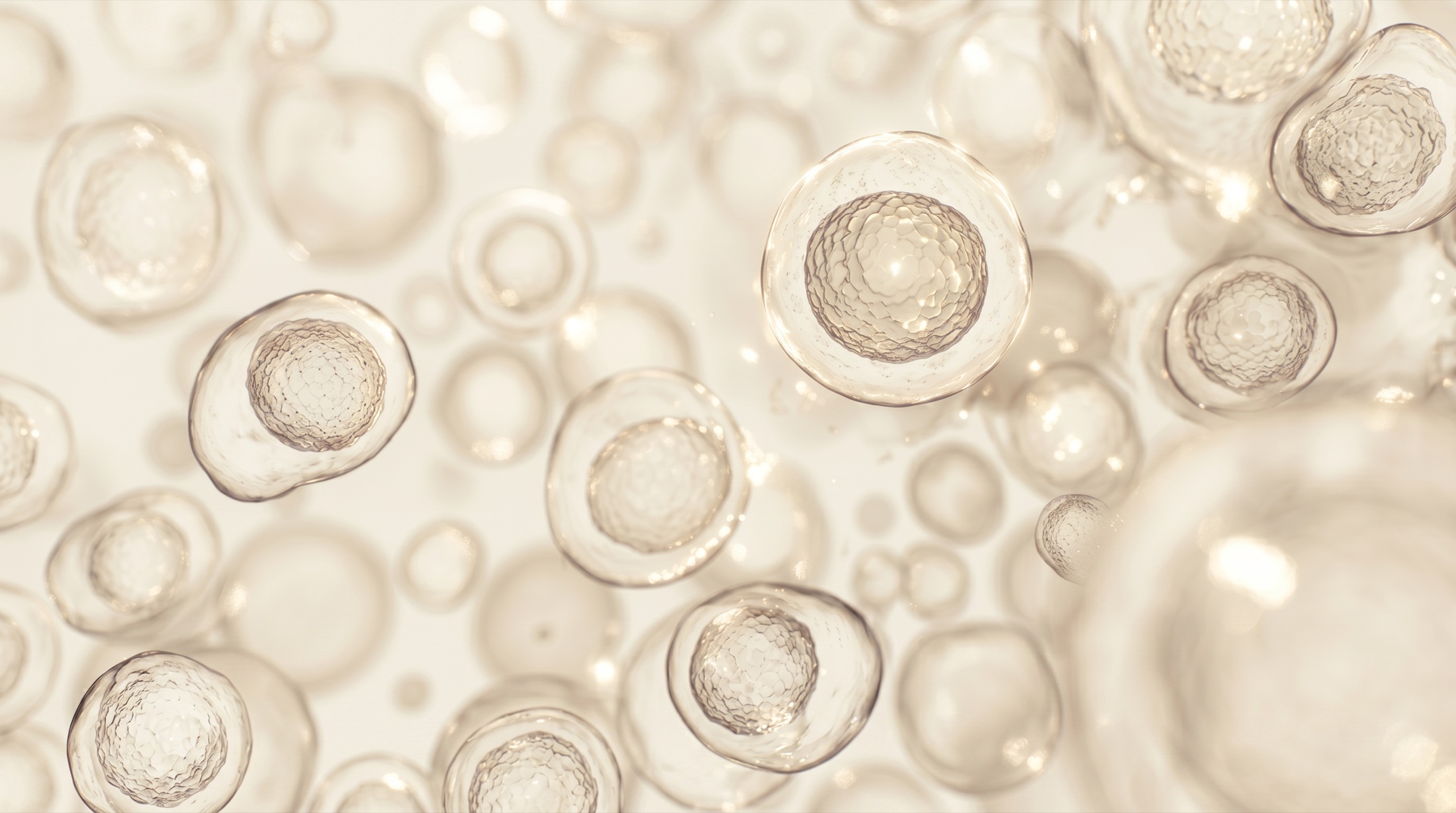
    3D visualisation of a mesenchymal stem cell
  3. The substantia nigra sits deep in the brain, hard to reach with conventional therapy. These nanoscale vesicles carry repair signals across the blood–brain barrier and deliver them straight to the site of neurodegeneration — easing oxidative stress and supporting the surviving dopaminergic neurons where whole cells struggle to reach.

    3D visualisation of exosome vesicles
  4. Non-invasive electrical stimulation of the motor circuits in the basal ganglia, calibrated to your tremor pattern and gait. Parkinson's disrupts the circuits that coordinate smooth movement; low-intensity currents help recalibrate how they fire — reducing tremor amplitude and rigidity, easing gait initiation and freezing. Unlike deep brain stimulation there is no implant, no surgery and no anaesthesia.

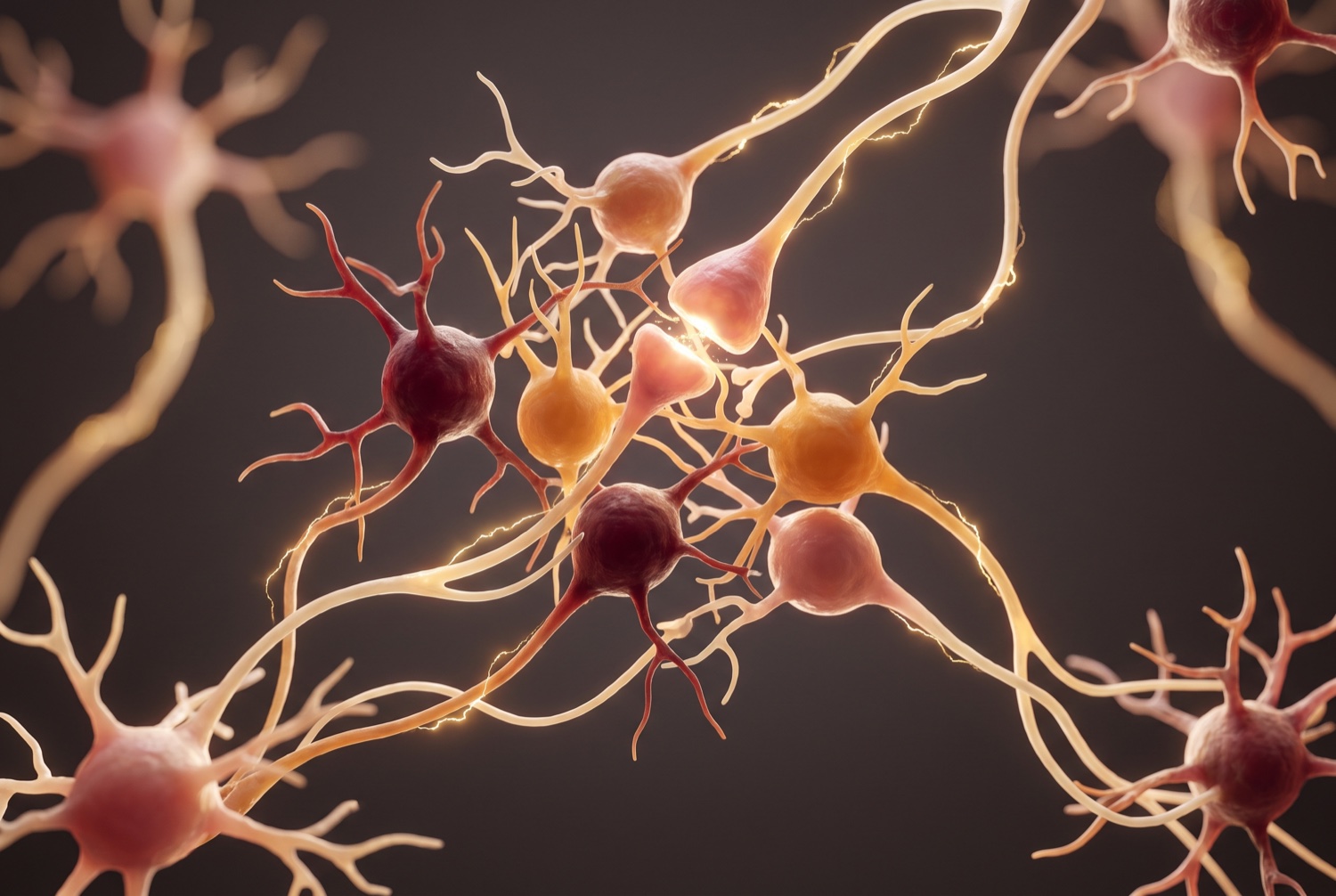
    3D visualisation of a neuron network
  5. Dopaminergic neurons are among the most energy-hungry cells in the brain, and failing mitochondria are a known reason they become vulnerable in Parkinson's. These bioactive peptides, chosen for your metabolic profile, support mitochondrial function in those tired neurons — easing the fatigue and motor fluctuations Parkinson's brings and keeping your cells supplied with the energy the rest of the treatment depends on.

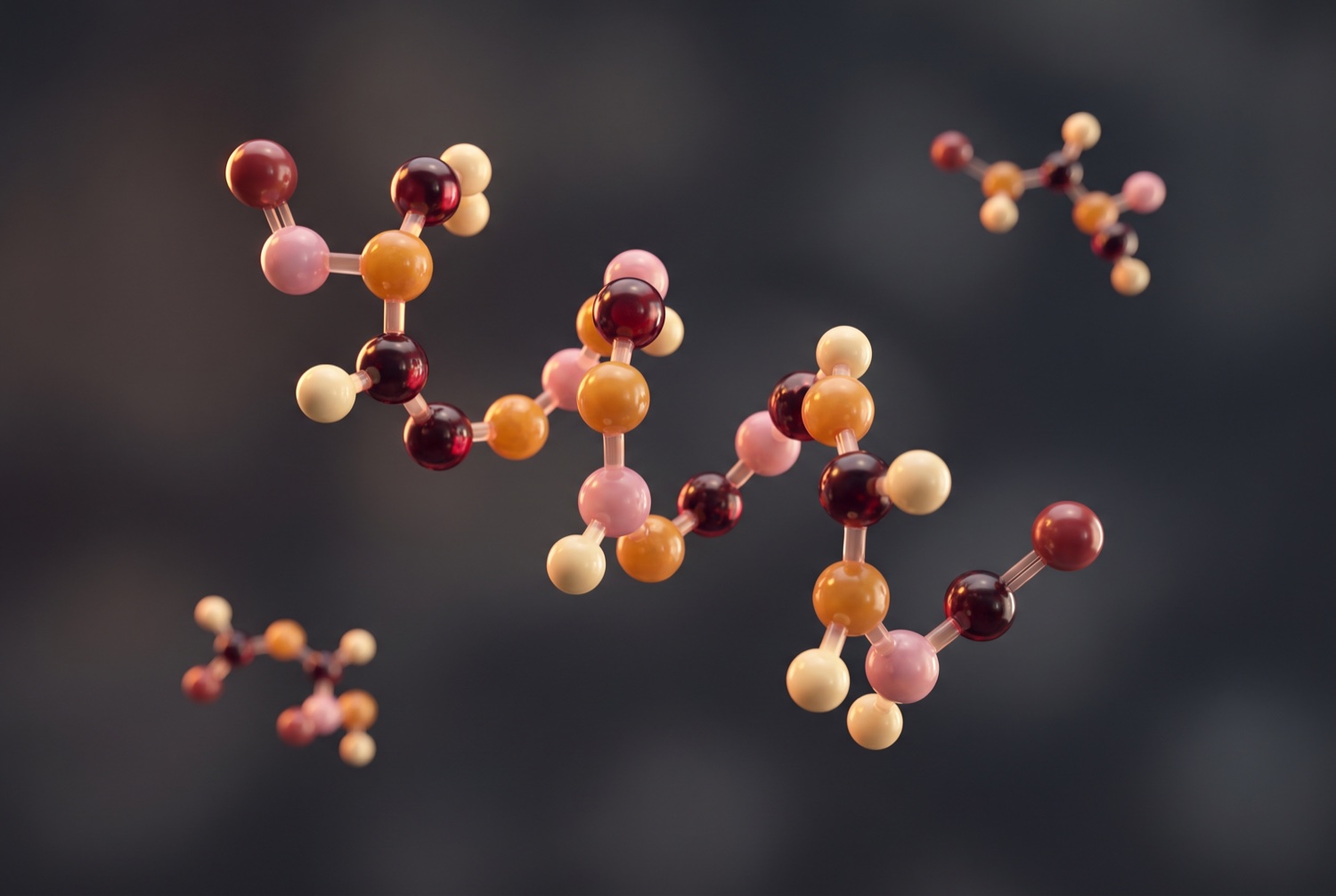
    3D visualisation of a peptide molecule

What to expect, step by step.

It begins with a conversation, and no obligation. Here is how treatment takes shape.

01

Free medical review

A physician reviews your diagnosis, UPDRS score, medication and motor symptoms remotely. No cost, no obligation.

02

Eligibility & plan

The medical board studies your documents and tells you honestly whether we can help — then designs your protocol.

03

Laboratory preparation

Your cells are collected, prepared and quality-tested in our own laboratory, with full traceability. About 2–3 weeks.

04

Treatment in Budapest

Delivered by infusion or targeted administration under medical supervision. We arrange your flights, transfers and accommodation.

05

Supervised rehabilitation

A specialist rehabilitation plan adapted to your gait, balance, fine motor and speech, at the centre or remotely.

06

Long-term follow-up

A medical wristband tracks tremor, mobility and sleep, with a dedicated coordinator and ongoing access for reassessment as things change.

Safety, and an honest word on expectations.

The treatment is well-tolerated by Parkinson's patients, including older patients and those with co-existing heart, metabolic or joint conditions. Mild, short-lived reactions can happen — brief fatigue, injection-site sensitivity, a low-grade temperature — and usually pass within a day or two. Before every session there is a final on-site assessment; if your motor status has changed, we adjust or postpone. We will only take your case when we believe we can realistically help.

Assessed individually before we proceed

  • Active infection or fever
  • Active cancer, or ongoing chemo- or radiotherapy
  • Severe heart or kidney failure
  • Pregnancy

These are standard contraindications. One alone does not automatically rule you out — each is weighed against your full clinical picture.

A patient receiving regenerative therapy in a calm treatment room, a clinician attending

The work continues after Budapest.

In a long-term condition like Parkinson's, the months after treatment matter as much as the treatment. A medical wristband streams your tremor, mobility and sleep data to our team, a rehabilitation specialist and a personal consultant stay in regular contact, and your protocol is adjusted as your needs change.

A patient and a member of the medical team in conversation at the institute

From our Parkinson's patients and their families.

I picked up a pen and wrote a full sentence. Not pretty, but legible — and before the treatment I could not sign my own name. The morning stiffness eased too. I get out of bed and move now, without waiting twenty minutes for the medication to take hold.
Patient · Parkinson's disease · Italy
My father was falling two or three times a week. A year on, the falls have dropped to about once a month, and even then it is more a stumble than a collapse. He walks with more confidence, and his physiotherapist confirmed the improvement is real.
Daughter of a patient · Parkinsonism (MSA) · Austria
Diagnosed at 43. My voice is stronger now — colleagues at work noticed before I said a word. The freezing when I walk through doorways has almost stopped, and the wearing-off periods on my medication are far gentler than they were.
Patient · Young-onset Parkinson's · Germany
The team treated my husband at home, because travel was too much for him. He used to shuffle everywhere and needed help cutting his food. Gradually he began lifting his feet properly again. He uses a knife and fork. This morning he dressed himself without asking. These sound like nothing until you have watched someone lose them one by one.
Wife of a patient · Parkinson's disease · France
The rigidity down my left side had made everything hard: driving, getting out of a chair, turning over in bed. Six months on the stiffness has eased enough that I am driving again. My neurologist said it was the first positive change he had measured in three years.
Patient · Parkinson's disease · United Kingdom
I was honest with myself that Parkinson's does not simply go away. But two years on my tremor is steadier, the freezing is rarer, and I am back to walking my grandchildren to school in the morning. They were straight with me about what was realistic.
Patient · Parkinson's disease · Italy

Every case is different. Request a review to talk through yours with our medical team.
Request a medical review for Parkinson's.

Send us your diagnosis and we will review it. A medical advisor will be in touch — and will stay with you through the whole treatment as your direct line to the medical team. Free, and no obligation.

By submitting this form, you consent to Caplan processing your personal data for the purpose of medical consultation in accordance with applicable data protection regulations.

The evidence we build on.

Our approach draws on published, peer-reviewed research into cell and regenerative therapy for Parkinson's disease. A selection of the studies that inform it:

These studies inform our protocol. They report findings from research populations, and every patient's response is different. We assess what they mean for your case individually.

  1. Allogeneic Bone Marrow-Derived Mesenchymal Stem Cells for Parkinson's Disease: A Randomized Phase 2 TrialPubMed 40891094
  2. Mechanism of Mesenchymal Stem Cells as a Multitarget Disease-Modifying Therapy for Parkinson's DiseasePubMed PMC10227913
  3. Mesenchymal Stem Cells in Parkinson's Disease: Motor and Nonmotor Symptoms in the Early Posttransplant PeriodPubMed PMC7771400
  4. Effectiveness of MSC-Derived Extracellular Vesicles Therapy for Parkinson's Disease: A Systematic ReviewPubMed PMC12038458
  5. Monitoring of Outcomes of Cellular and Exosome-based Therapies in Neuroinflammatory SyndromesClinicalTrials NCT07145502