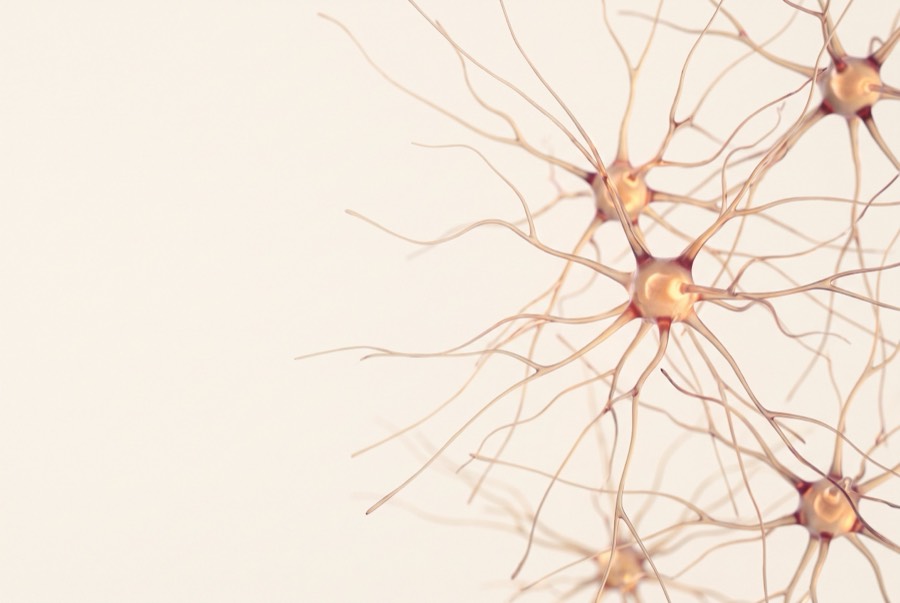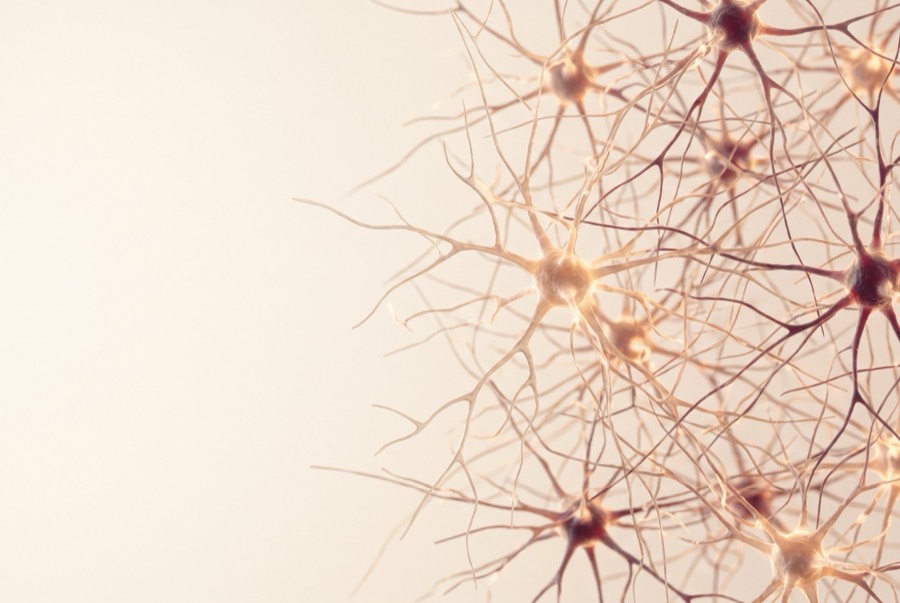
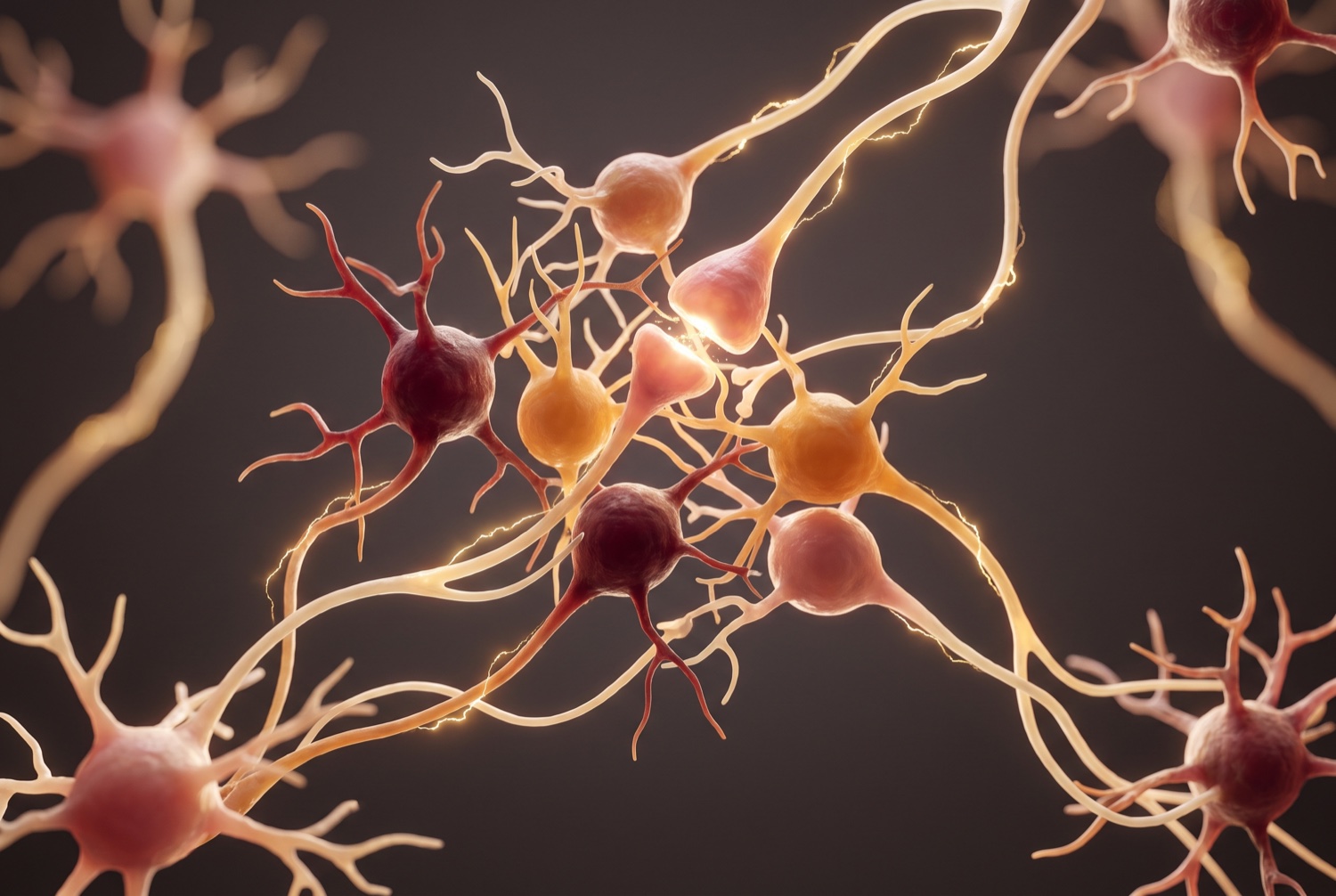


A scientific visualisation of neonatal neurons near an oxygen-carrying blood capillary

Hypoxic-ischaemic encephalopathy · birth asphyxia · neonatal encephalopathy

Protecting your child's development

When a baby's brain is starved of oxygen, the injury keeps unfolding for weeks afterwards, and it can take away movement, communication and the milestones you were waiting for. Our treatment works on that biology — limiting the secondary damage and supporting the young brain's own capacity to repair and reorganise. Every plan is built around your child's injury, age and stage.

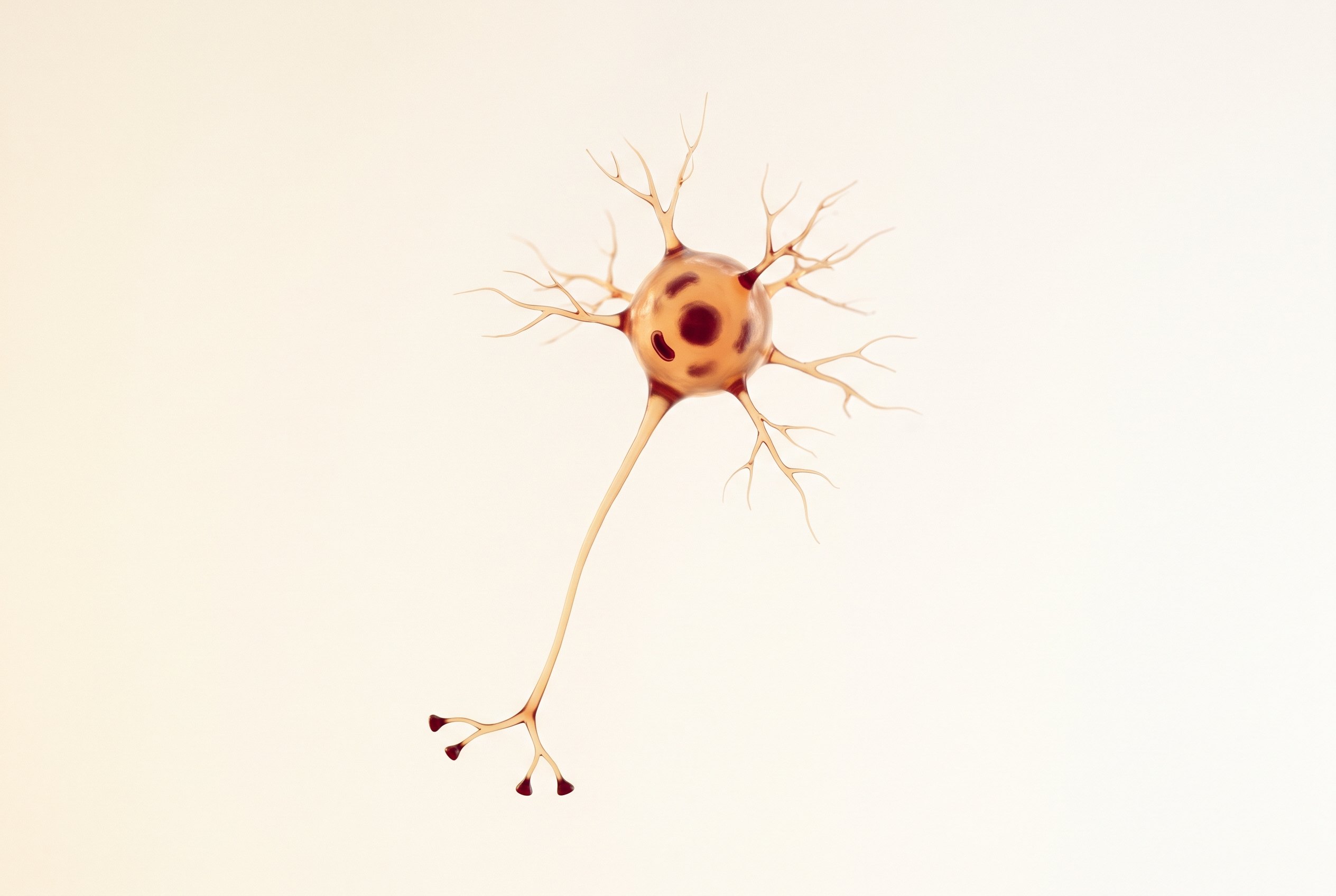
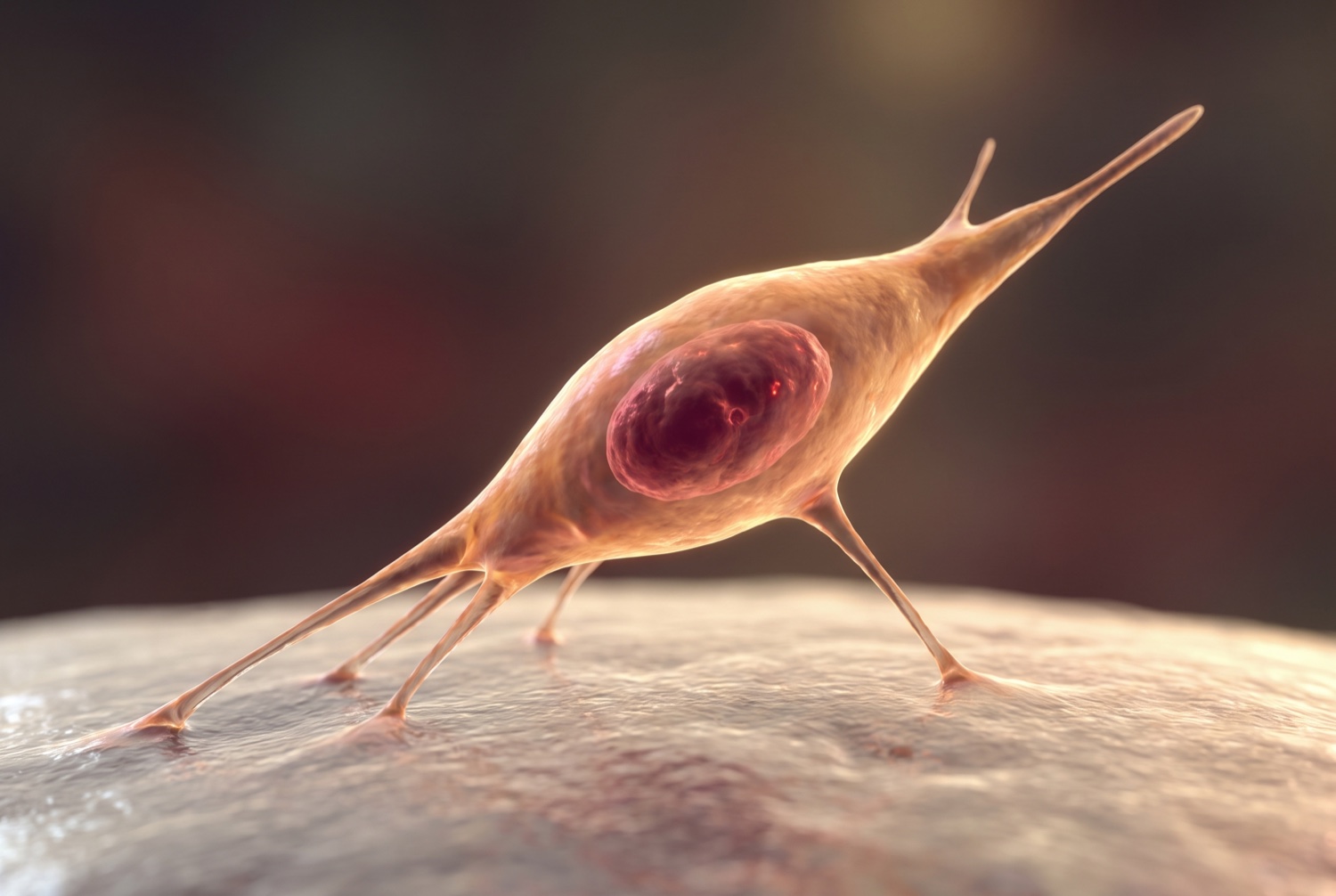
A scientific visualisation of a single young neuron

What HIE is, in plain terms.

HIE happens when a baby's brain is deprived of oxygen and blood flow, most often during labour and delivery. The shortage does immediate harm, then sets off a slower cascade of neuronal death, white-matter injury and inflammation that carries on long after the birth itself. How much a child is affected depends on how long the oxygen was cut off, which brain regions were hit and how early treatment begins. The developing brain holds real capacity to repair and rewire, and that window narrows with time. Standard care manages symptoms and supports rehabilitation. Our treatment works underneath that, on the biology still driving the injury.

  • 1–3 in 1,000 live births in developed countries
  • Sarnat grades mild, moderate, severe
  • Secondary injury continues for weeks after birth
  • Cerebral palsy & developmental delay among outcomes

What the treatment works to protect.

We do not promise a cure. What we work for is to protect the functions HIE puts at risk and to give your child's development the best chance — supporting the milestones that come next, so more of daily life opens up for them.

  • Gross motor & mobility Head and trunk control, sitting, reaching and the motor milestones ahead.
  • Muscle tone & spasticity Softening stiffness and tight tone so movement comes more freely.
  • Cognition & development Alertness, visual tracking and engagement with the world around them.
  • Communication Responding to voices and faces, vocalising and connecting with you.
  • Feeding & independence Oral motor function, feeding and the small steps towards doing more alone.
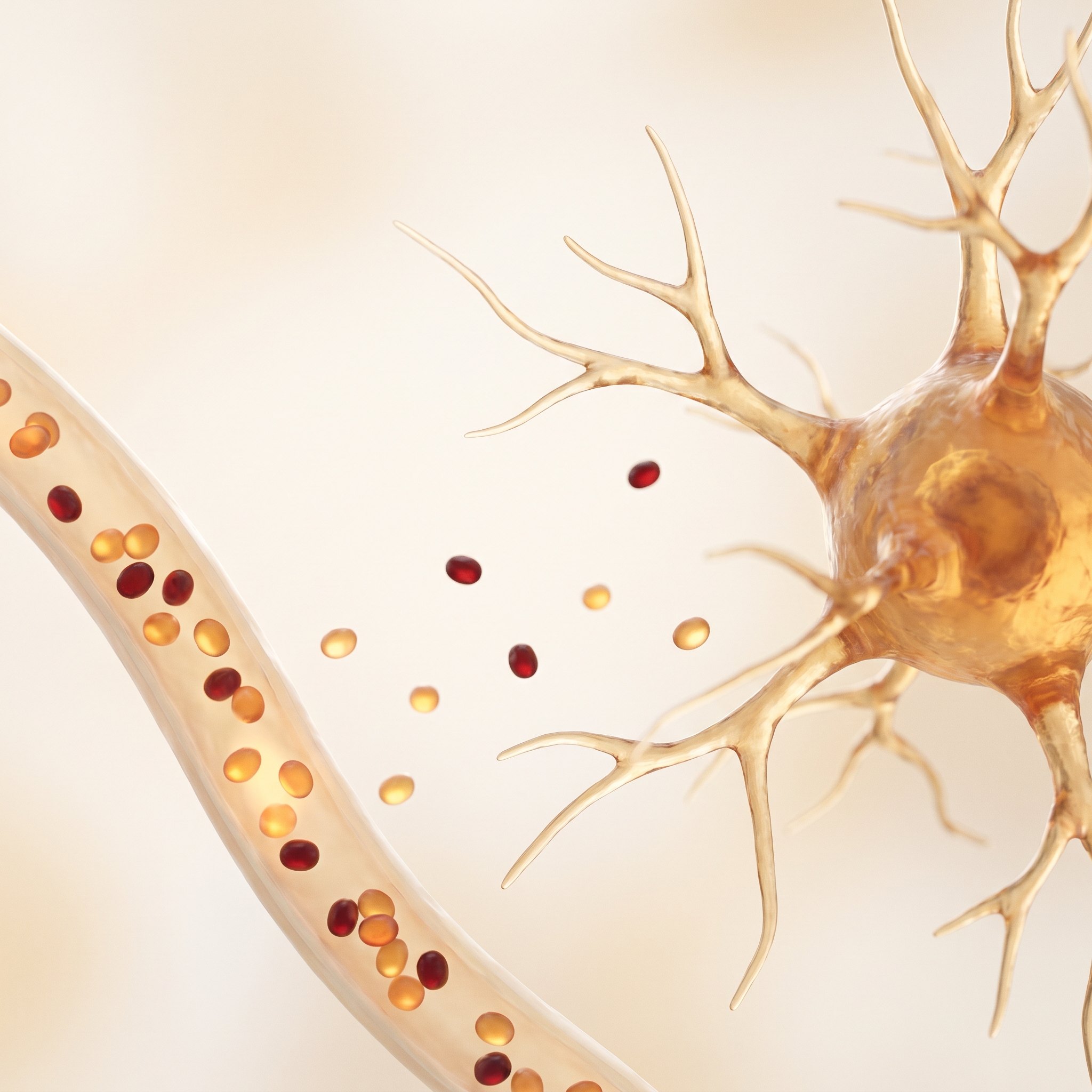
A 3D scientific visualisation of a neuron beside an oxygen-carrying capillary — the neuroprotection HIE treatment works towards

What families of our HIE patients report.

A registry of what parents of children with HIE have reported since 2019, measured at follow-up and shown as it is. Across the 45 children we have supported, improvement or stabilisation in at least one area is common — but outcomes vary from child to child, and an average is never a promise.

Share of HIE families reporting a meaningful improvement or stabilisation · 45 children, since 2019

  • Gross motor and mobility79%
  • Muscle tone and spasticity76%
  • Cognition and development78%
  • Communication and engagement77%
  • Feeding and daily function75%
  • Family quality of life81%
3 years

Average follow-up with sustained functional stability across the children we treat.

Every result is individual — it depends on the severity and timing of the injury, your child's age, baseline status and their own biology.

How we treat HIE.

No two protocols are the same. A medical board builds your child's plan from up to five biological components — combined, sequenced and dosed for their injury pattern, developmental stage and age. Each works on a different driver of HIE, and together they aim to limit the secondary injury, protect surviving brain tissue and support development.

  • Non-surgical — delivered by infusion or targeted administration, with no general anaesthesia
  • Designed for children, including the youngest patients, and well-tolerated
  • No rejection risk and no immunosuppression
  • Works alongside your child's existing physiotherapy and developmental care
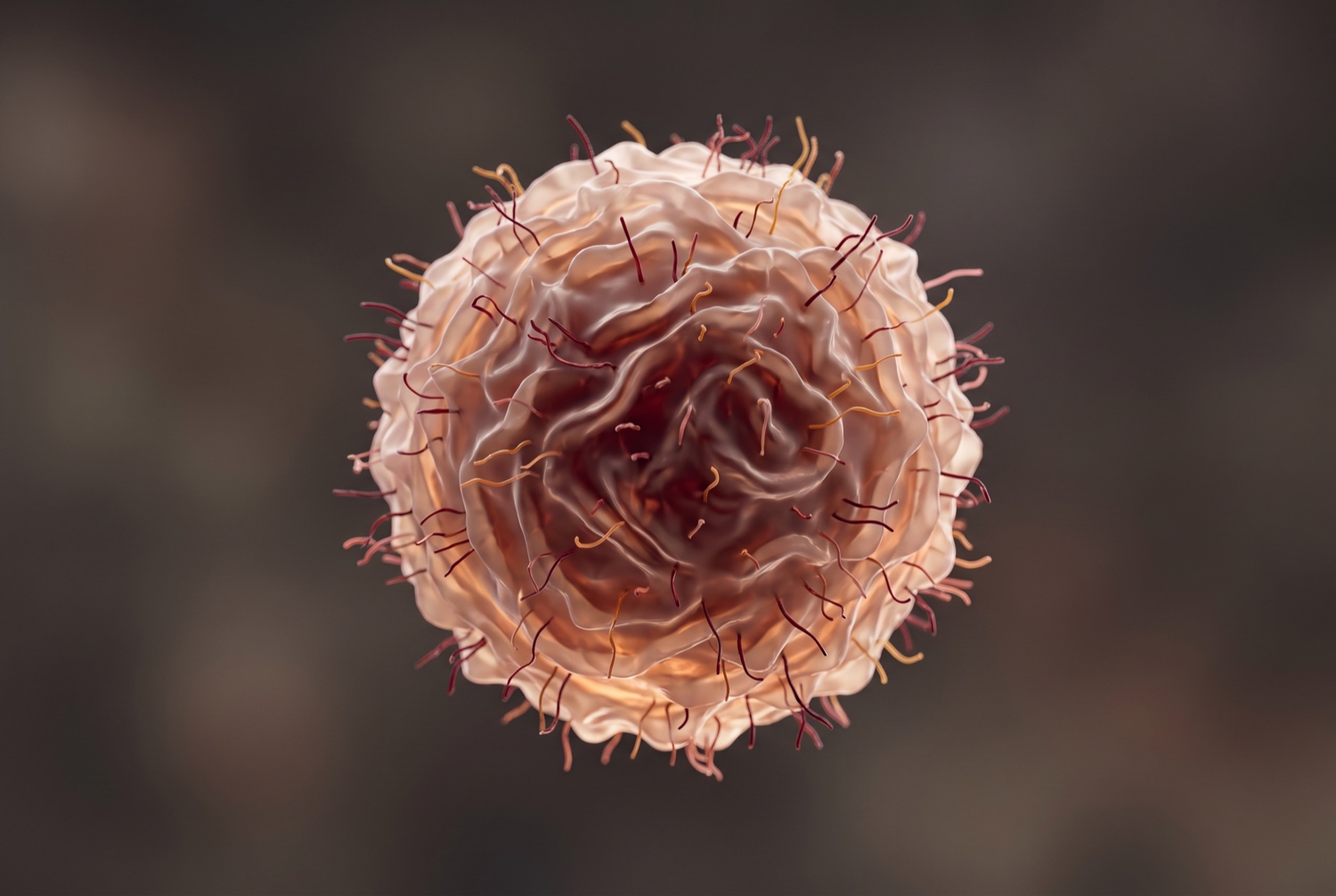
  1. After a hypoxic injury the immune system often stays switched on, and that lingering inflammation keeps harming brain tissue the first insult left intact. T-regulatory cells are the immune system's own off-switch for this — they calm the overactive microglia and infiltrating cells, and restore neuro-immune balance in the injured brain. Limiting that secondary damage preserves the neural tissue your child's recovery depends on. Prepared from your child's own blood, or from a certified donor, according to their age and immune status. This is the component we lead with in HIE.

    3D visualisation of a T-regulatory immune cell
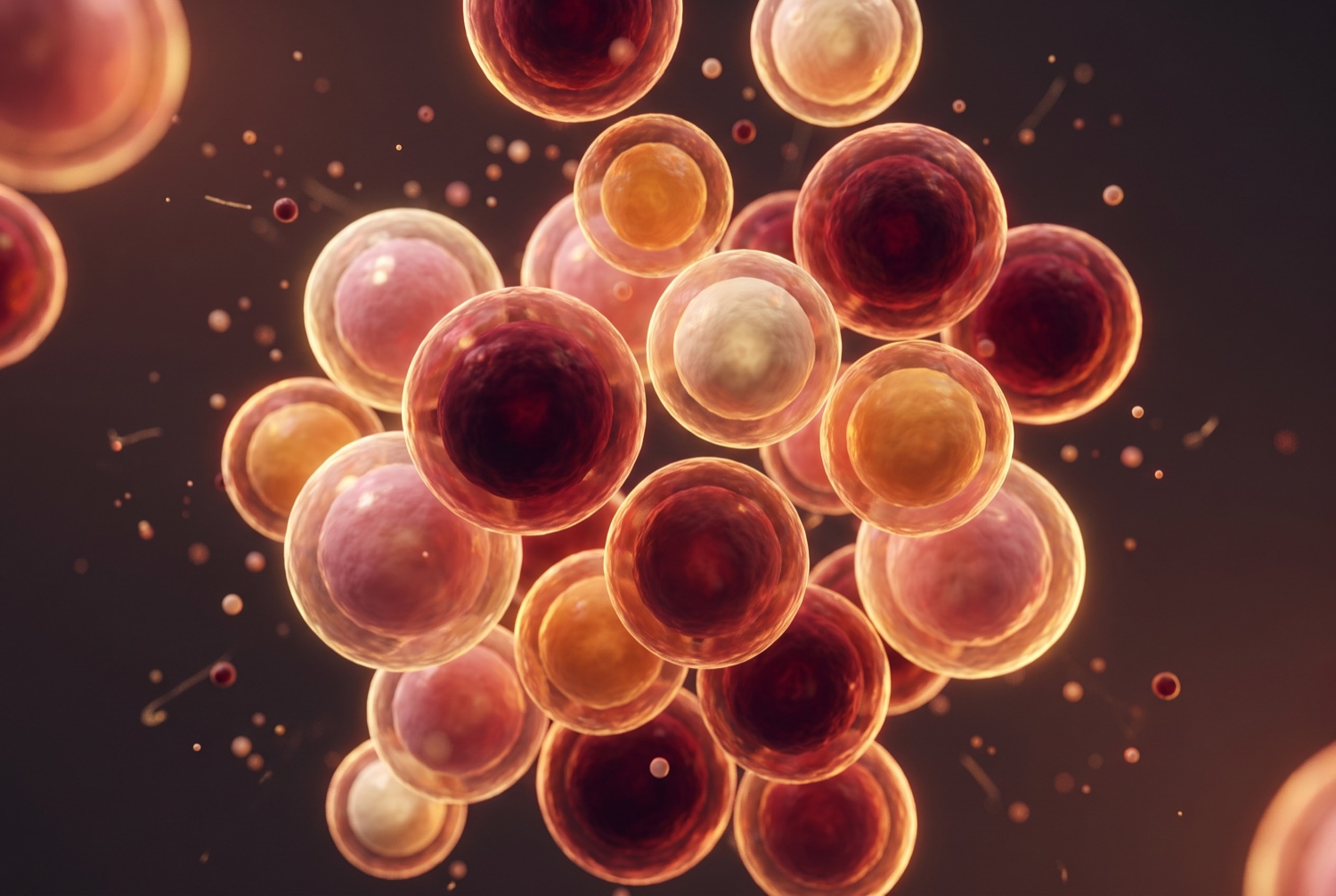
  2. The inflammatory cascade that follows a hypoxic injury keeps damaging surviving neurons and the oligodendrocytes that build white matter for weeks to months. Mesenchymal stem cells work directly against that process — calming the inflammation, protecting the cells still at risk and creating the conditions the brain needs for its own repair. They carry almost no rejection markers, so in children an allogeneic source can be used to avoid invasive collection, without immunosuppression.

    3D visualisation of a mesenchymal stem cell
  3. One of the main ways brain cells die in HIE is excitotoxicity — a flood of glutamate after oxygen loss that overwhelms the cells. Exosomes are nanoscale vesicles that cross the blood–brain barrier and carry repair signals to interrupt that cascade, reaching diffuse regions whole cells cannot. They support mitochondrial recovery and the myelination that motor and cognitive development rely on, and need no collection from your child.

    3D visualisation of exosome vesicles
  4. In HIE many neurons survive the injury but stay quiet, cut off from the circuits they belong to. Gentle, low-intensity currents target these dormant pathways, encouraging new synaptic connections and strengthening the ones that remain — supporting motor activation and sensory processing. It draws on the neuroplasticity that is especially strong in young children. Protocols are calibrated for safety and tolerance at your child's age, with no implant, no surgery and no anaesthesia.

    3D visualisation of a neuron network
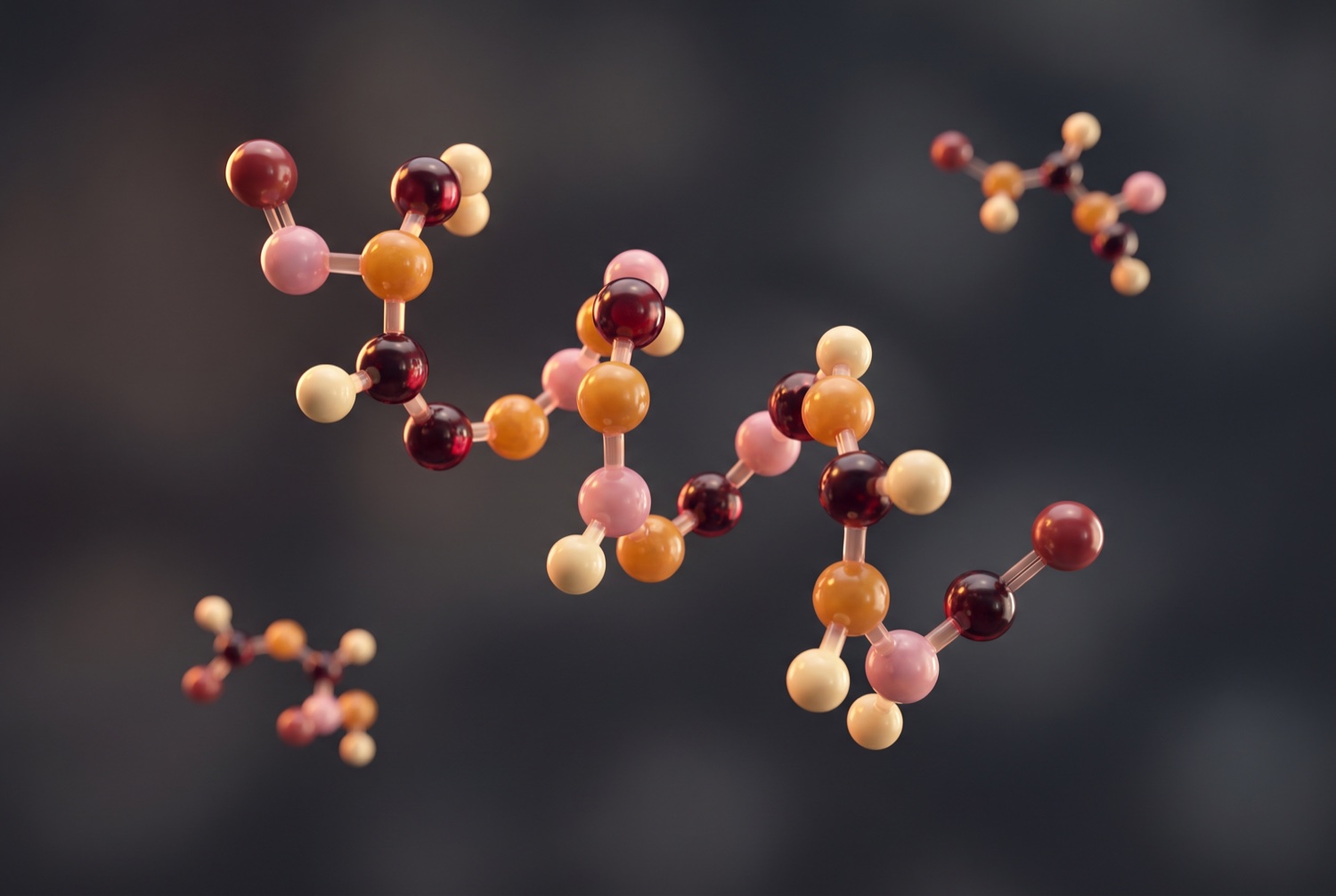
  5. Impaired myelination is one of the longest-lasting consequences of HIE, because the oligodendrocytes that produce myelin are so vulnerable to oxygen loss. Bioactive peptides, chosen for your child's metabolic profile, support those cells and their maturation, improve energy production in stressed neurons and ease the oxidative stress that keeps holding recovery back long after the injury.

    3D visualisation of a peptide molecule

What to expect, step by step.

It begins with a conversation, and no obligation. Here is how treatment takes shape.

01

Free medical review

A physician reviews your child's diagnosis, the timing of the injury, imaging and developmental history remotely. No cost, no obligation.

02

Eligibility & plan

The medical board studies the MRI, developmental assessments and rehabilitation records, tells you honestly whether we can help, then designs your child's protocol.

03

Laboratory preparation

Cells are collected, prepared and quality-tested in our own laboratory, with full traceability. About 2–3 weeks.

04

Treatment in Budapest

Delivered by infusion or targeted administration under medical supervision — no surgery, no general anaesthesia. We arrange your flights, transfers and accommodation.

05

Supervised rehabilitation

A rehabilitation plan built around your child's age, injury pattern and developmental stage, at the centre or coordinated with your local team.

06

Long-term follow-up

A medical wristband, a dedicated coordinator and ongoing access, with reassessment scheduled as your child grows and develops.

Safety, and an honest word on expectations.

The treatment is well-tolerated in children, including the youngest patients. Mild, short-lived reactions can happen — brief fatigue, a little more irritability than usual, a low-grade temperature — and usually pass within a day or two. Before every session there is a final on-site assessment; if your child's status has changed, including any seizure activity, we adjust or postpone. We will only take your child's case when we believe we can realistically help.

Assessed individually before we proceed

  • Active infection or fever
  • Active cancer, or ongoing chemo- or radiotherapy
  • Severe heart or kidney failure
  • Pregnancy

These are standard contraindications. One alone does not automatically rule you out — each is weighed against your full clinical picture.

A patient receiving regenerative therapy in a calm treatment room, a clinician attending

The work continues after Budapest.

Recovery after a hypoxic injury is slow and rarely follows a straight line. The biology keeps working — remyelination, the brain rewiring, inflammation settling — so the months after treatment matter as much as the treatment itself. A medical wristband streams your child's data to our team, a rehabilitation specialist and a personal consultant stay in regular contact, and the protocol is adjusted as your child develops.

A patient and a member of the medical team in conversation at the institute

From the families of our HIE patients.

Our son was a near-drowning at two, and after fifteen months of intensive rehabilitation he had stopped making progress. Within a few weeks of treatment he began vocalising again, sounds we had not heard in over a year. His feeding improved enough to reduce how much he needed the tube. His neurologist in Milan agreed the change was real.
Mother of a patient · Near-drowning HIE · Italy
Our daughter had a cardiac arrest during surgery at four and lost the ability to sit, to feed herself, to follow objects with her eyes. After the programme she started tracking a toy with her gaze again, then tolerating a spoon. The stiffness in her legs eased enough that her surgeon put off the operation he had planned. Small gains, but enough of them to keep going.
Father of a patient · Cardiac arrest HIE · United Kingdom
Our boy was born with severe asphyxia. At two he had no sitting ability and no voluntary use of his hands. After treatment his tone softened noticeably, and his occupational therapist recorded him reaching for objects and holding a rattle for the first time. His rehabilitation team can finally work with him in ways they could not before.
Father of a patient · Neonatal HIE, severe · India
Our daughter suffered birth asphyxia, and at fourteen months she had no head control and barely responded to anything around her. The first thing to change was her alertness — she started reacting to sounds and to our faces. Over the following months her trunk control improved enough for us to support her in sitting. She is present now, in a way she simply was not before.
Mother of a patient · Neonatal HIE, birth asphyxia · Nigeria
Our son was eighteen months old and could not hold his head up. After the programme he began lifting it on his own during tummy time, and his physiotherapist confirmed the tone in his neck and trunk had improved. The distance between him and other children his age is closing rather than widening. To us that means everything.
Mother of a patient · Neonatal HIE, birth asphyxia · United Arab Emirates
We were honest with ourselves that a difficult birth cannot simply be undone. What we hoped for was progress, and we have had it. Our daughter holds her own gaze longer, she reaches for us, and the tight tone in her arms has softened. The team was straight with us from the start about what was realistic.
Parents of a patient · Neonatal HIE · Italy

Every child is different. Request a review to talk through yours with our medical team.
Request a medical review for your child.

Send us your child's diagnosis and we will review it. A medical advisor will be in touch — and will stay with you through the whole treatment as your direct line to the medical team. Free, and no obligation.

By submitting this form, you consent to Caplan processing your personal data for the purpose of medical consultation in accordance with applicable data protection regulations.