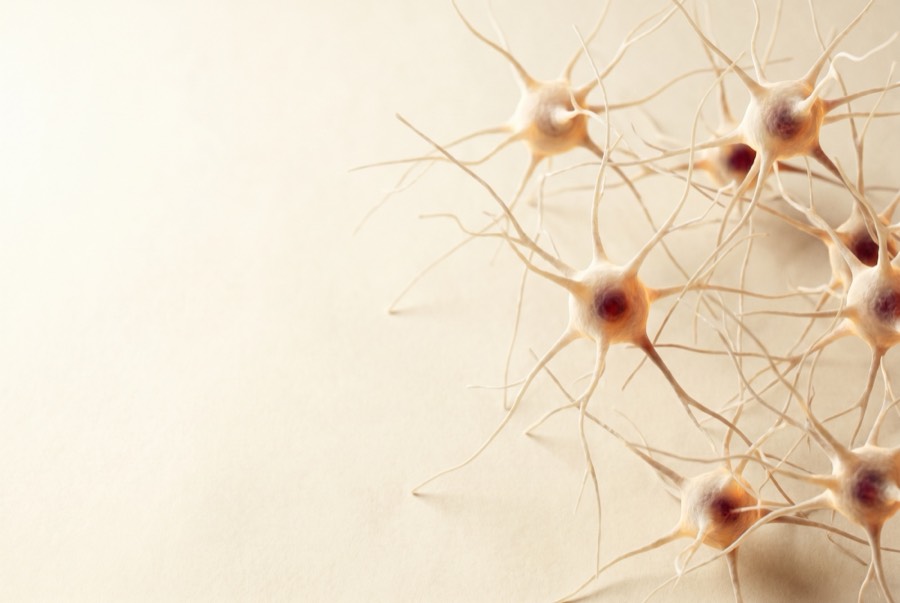

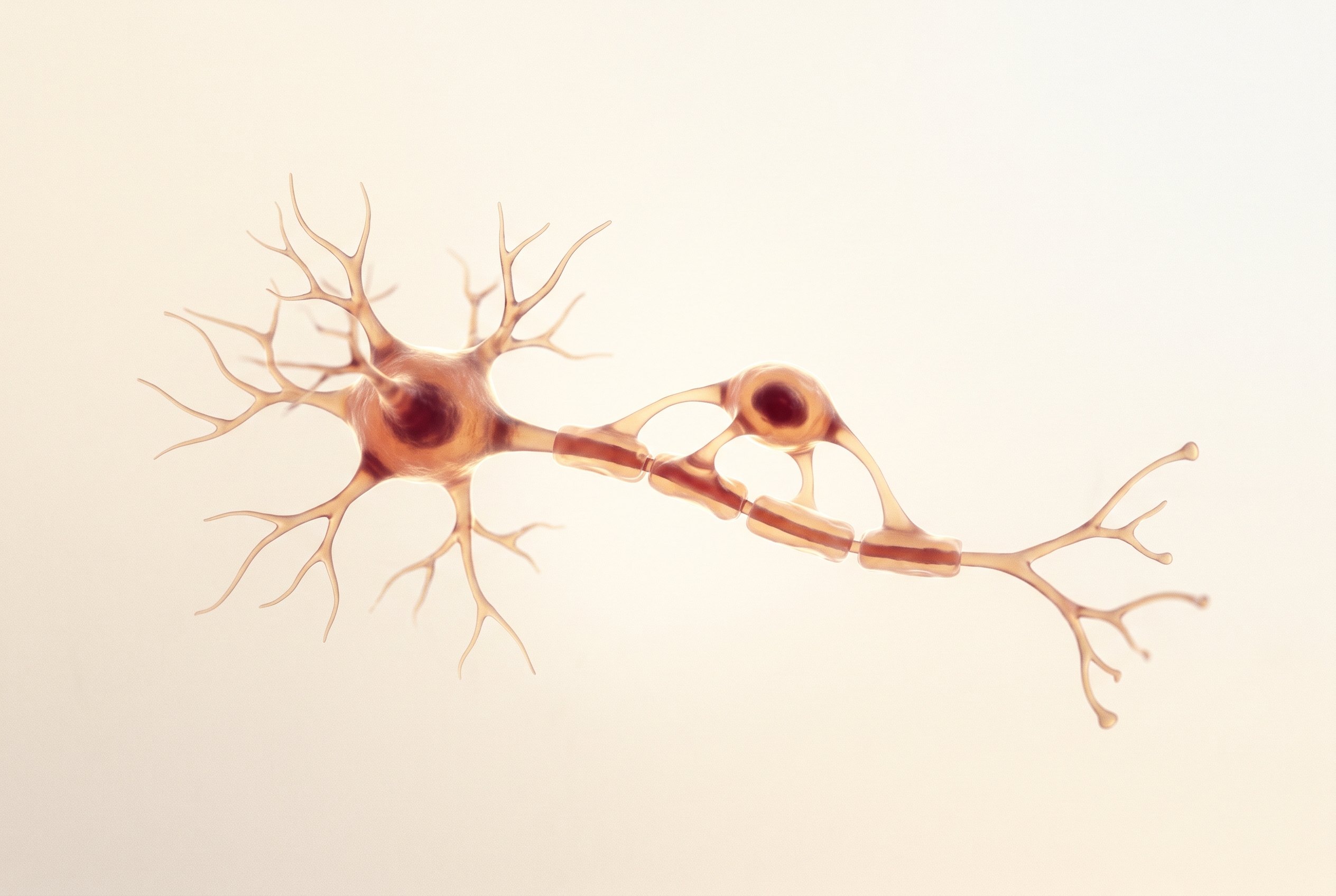
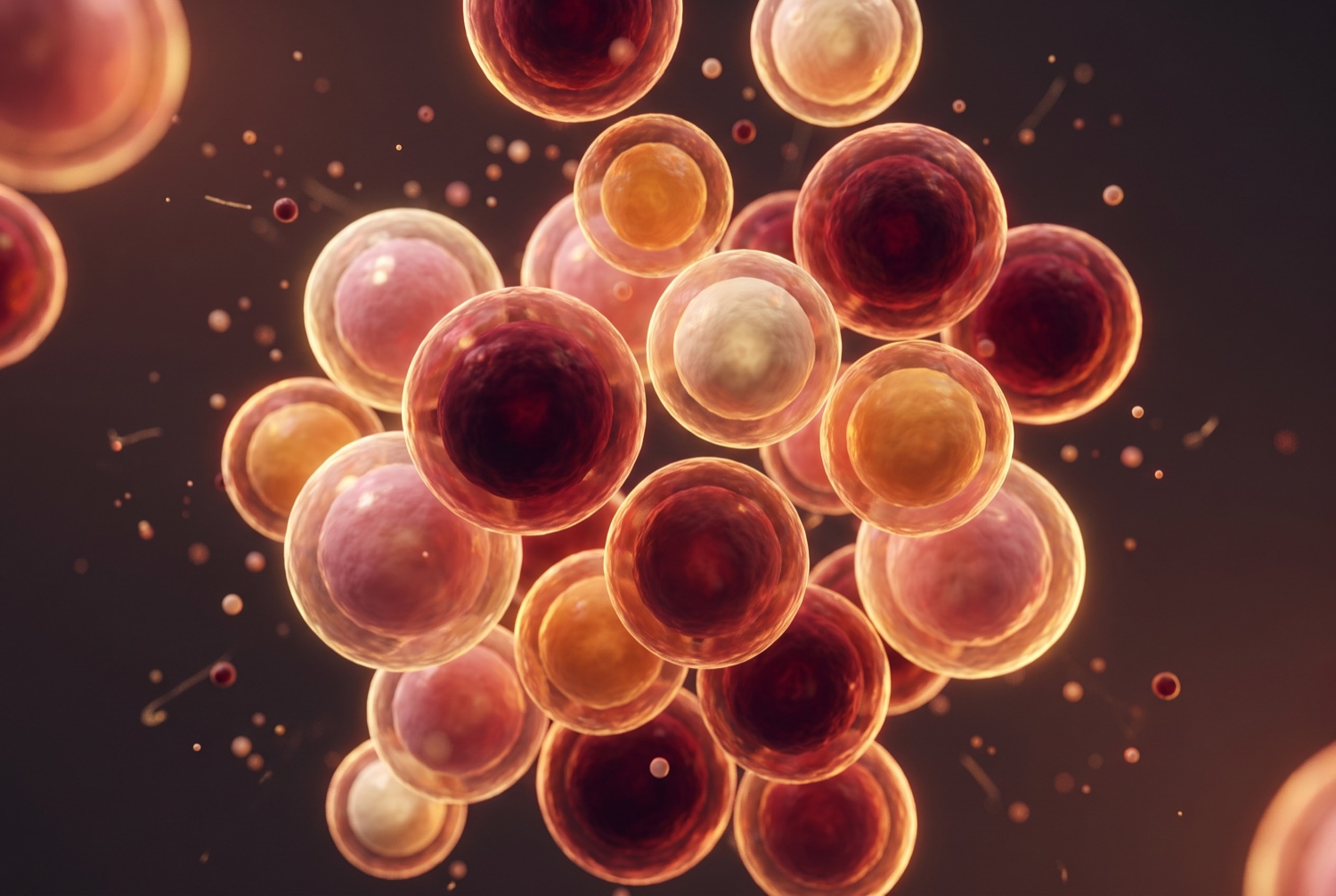
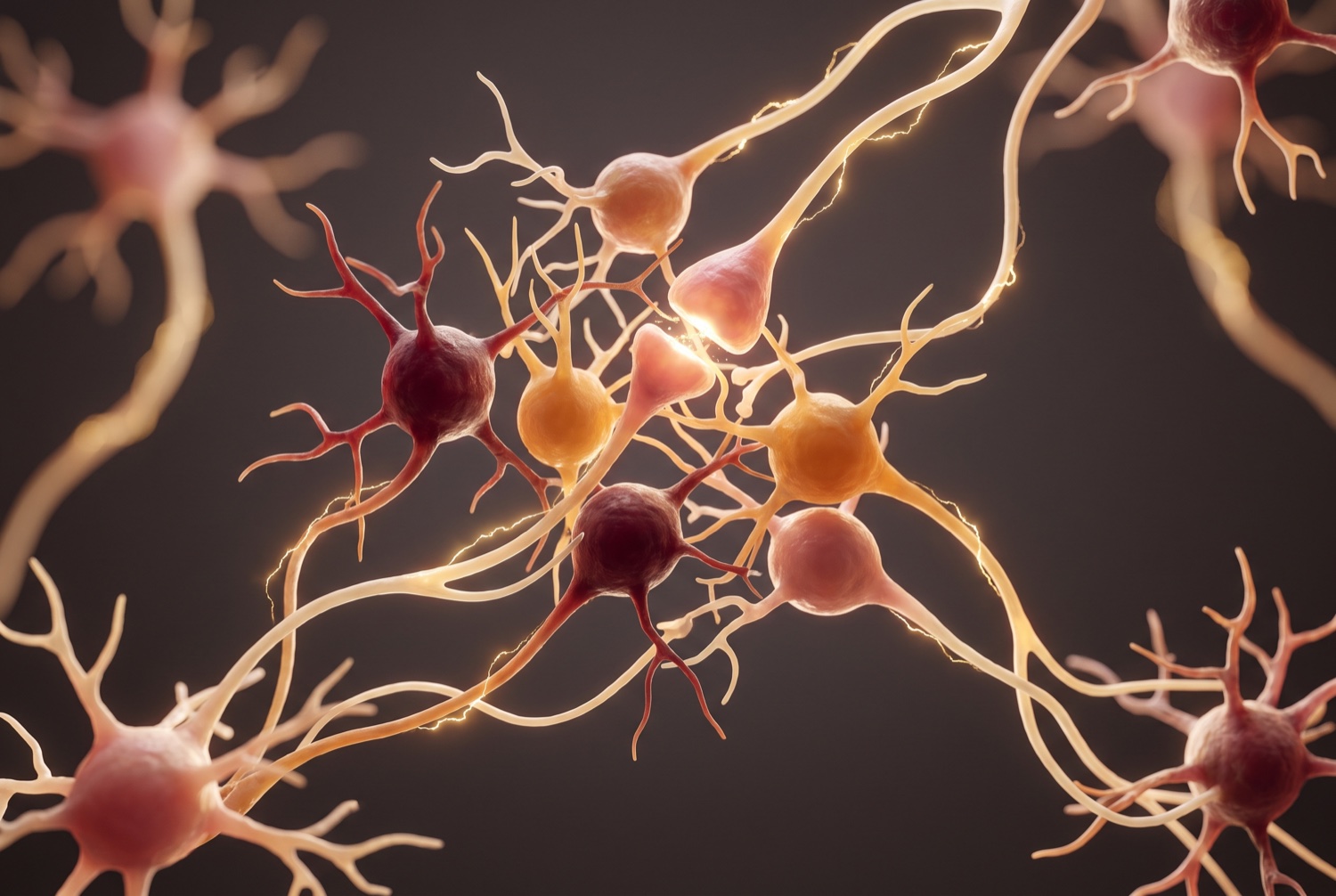



A scientific visualisation of neurons with supporting glial cells

Multiple system atrophy · MSA-P · MSA-C — all stages

Stabilising MSA for longer

MSA moves faster than Parkinson's and strikes several brain systems at once, disrupting movement, balance, blood pressure and speech. Our treatment targets the biology driving it — the neuroinflammation and glial damage — to slow progression, steady autonomic function and preserve the independence MSA erodes first. Every plan is built around your subtype and dominant symptoms.

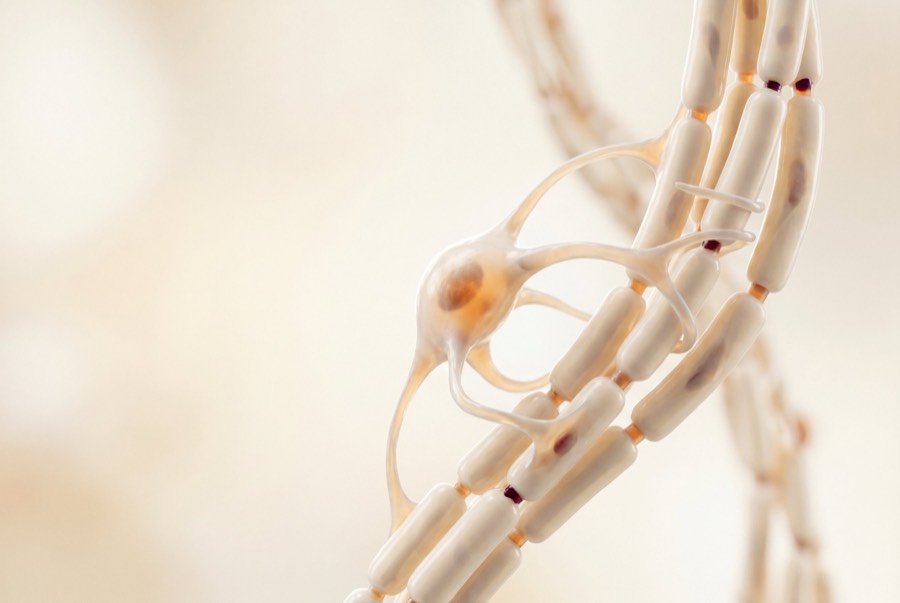
A scientific visualisation of a single neuron with an oligodendroglial support cell

What MSA is, in plain terms.

MSA is a rare, progressive disease that damages several brain systems at once — the basal ganglia, cerebellum, brainstem and the spinal centres that run your automatic functions. Abnormal alpha-synuclein builds up inside oligodendrocytes, the cells that support your neurons, and neurons across these regions are lost. Parkinsonism, cerebellar unsteadiness and autonomic failure follow, and it progresses more quickly than Parkinson's. Standard drugs manage symptoms; our treatment works on the neuroinflammatory and metabolic biology underneath, which those drugs do not reach.

  • MSA-P ~60%, parkinsonian type
  • MSA-C ~40%, cerebellar type
  • Autonomic failure often the most disabling feature
  • Onset typically ages 50–60

What the treatment works to protect.

We do not promise a cure. MSA is aggressive, so what we work for is to slow it down and steady daily life — holding on to the functions it disrupts first, so more of each day stays in your hands.

  • Movement & gait Walking, gait initiation and lower-limb control, kept for longer.
  • Balance & falls Postural stability and coordination, to reduce the risk of falls.
  • Blood pressure & autonomic Orthostatic blood pressure, bladder and bowel control.
  • Speech & swallowing Clearer speech and safer swallowing as bulbar function is affected.
  • Independence Staying independent in everyday tasks for as long as possible.
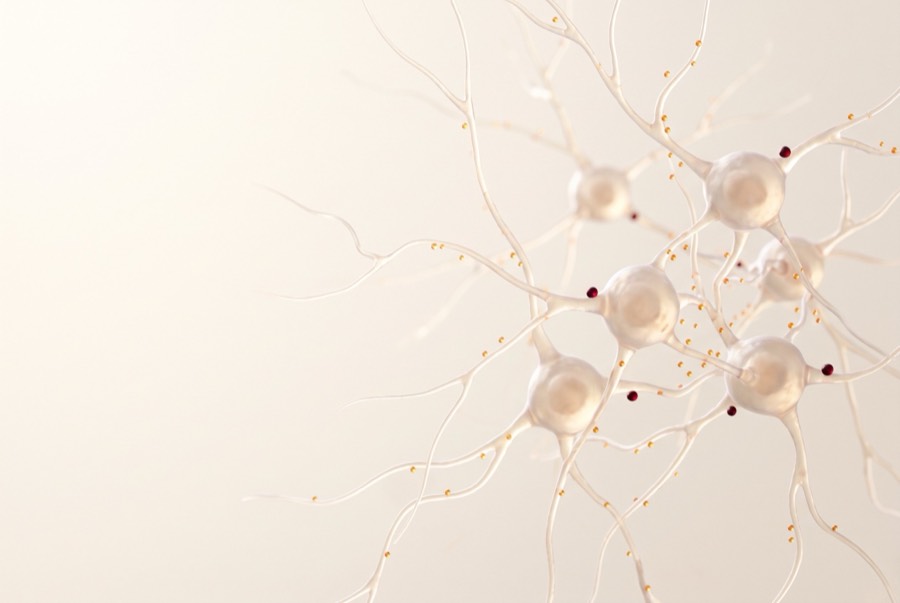
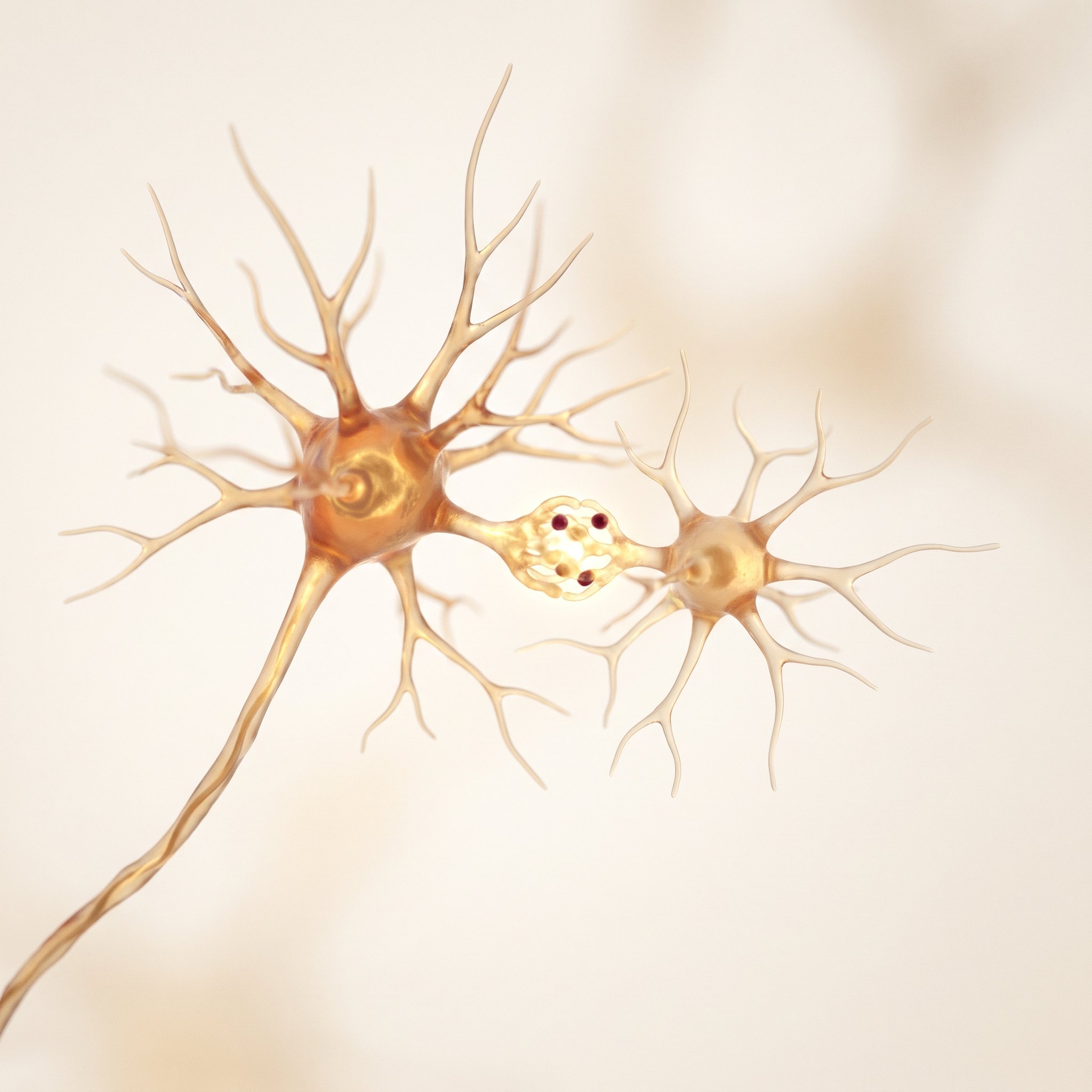
A 3D scientific visualisation of a neuron and a glial support cell in close contact — the oligodendrocyte-to-neuron relationship disrupted in MSA

What our MSA patients report.

A registry of what people with MSA have reported since 2019, measured at follow-up and shown as it is. Across the 37 people with MSA we have supported, stabilisation or improvement in at least one area is common. MSA progresses quickly, so with this condition holding function steady is itself a meaningful result — and an average is never a promise.

Share of MSA patients reporting a meaningful improvement or stabilisation · 37 patients, since 2019

  • Motor — gait, balance and fewer falls77%
  • Autonomic — blood pressure and bladder control75%
  • Cerebellar and bulbar — speech and swallowing74%
  • Independence in daily activities79%
  • Functional stabilisation at 3–6 months78%
  • Quality of life and daily endurance80%
3 years

Average follow-up over which functional stability was sustained across our MSA patients.

Every result is individual — it depends on your MSA subtype, baseline UMSARS score, disease duration and your body's own biology.

How we treat MSA.

No two protocols are the same. A medical board builds your plan from up to five biological components — combined, sequenced and dosed for your subtype and dominant symptoms. Each works on a different driver of MSA, and because the disease strikes several brain systems at once, together they aim to calm the neuroinflammation, protect neurons across all affected regions and steady how you function day to day.

  • Non-surgical — delivered by infusion or targeted administration, with no general anaesthesia
  • Continues alongside your levodopa, midodrine, fludrocortisone and other current medication
  • No rejection risk and no immunosuppression
  • Targets the neuroinflammatory and glial biology that levodopa does not reach, not only the symptoms
  1. In MSA the immune system responds to alpha-synuclein building up in the oligodendrocytes with aggressive inflammation, and nearby neurons are damaged as collateral. T-regulatory cells are the immune system's own off-switch for this self-attack — they calm the microglial activation across the basal ganglia, cerebellum and brainstem, reducing the secondary neuronal loss that drives the rapid progression MSA is known for, without the blanket immunosuppression that would leave you exposed. Prepared from your own blood, or from a certified donor. This is the component we lead with in MSA.

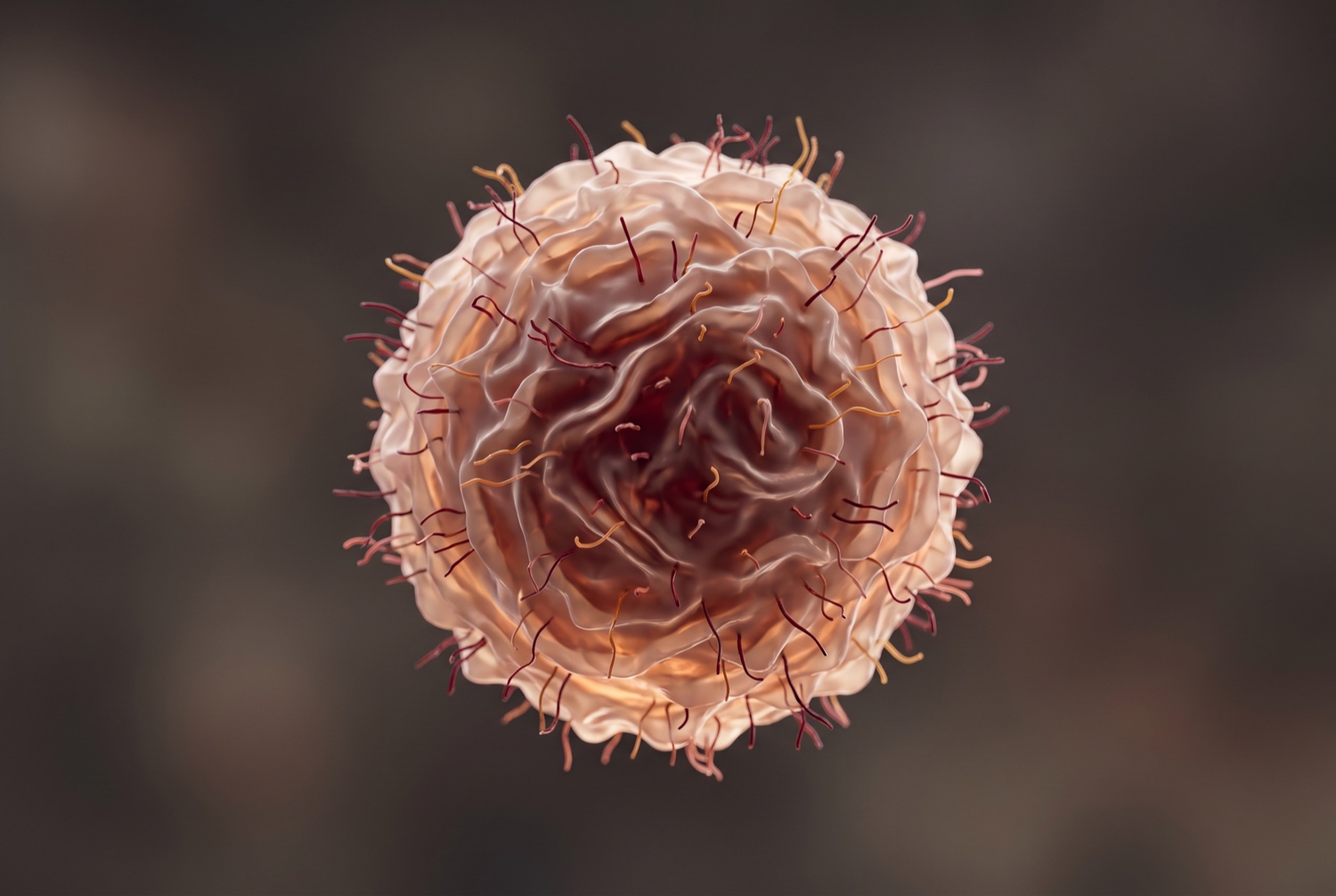
    3D visualisation of a T-regulatory immune cell
  2. MSA is uniquely destructive because it attacks motor, cerebellar and autonomic systems at the same time. These multipotent cells work systemically, calming the microglial overactivation that surrounds the alpha-synuclein-laden oligodendrocytes across all affected regions at once and supporting the survival of the neurons those regions depend on. They carry almost no rejection markers, so they can be used without immunosuppression, whether drawn from your own bone marrow or a matched donor.

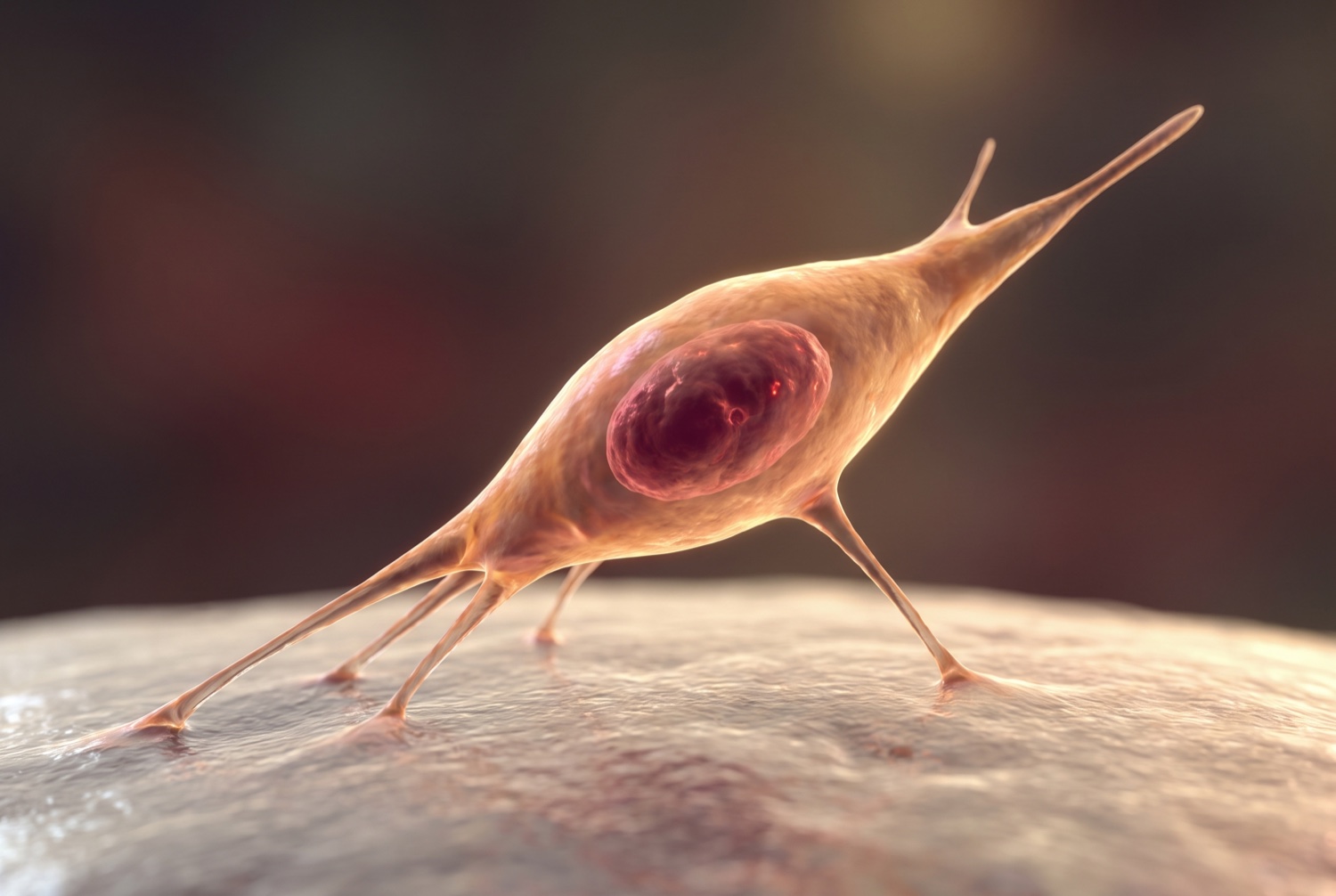
    3D visualisation of a mesenchymal stem cell
  3. The deep brain structures MSA destroys are hard to reach with oral medication. These nanoscale vesicles cross the blood–brain barrier naturally and carry neuroprotective factors directly to the basal ganglia, cerebellum and brainstem — to the oligodendrocytes and neurons under alpha-synuclein stress, easing oxidative strain in tissue that whole cells struggle to reach.

    3D visualisation of exosome vesicles
  4. Non-invasive electrical stimulation, calibrated to your dominant symptoms. In MSA-P we target the basal ganglia–cortical motor circuits behind the parkinsonism; in MSA-C we focus on the cerebellar pathways that govern balance and coordination. In both, it supports gait initiation, postural stability and fall prevention, and helps steady autonomic regulation through the brainstem. No implant, no surgery and no anaesthesia.

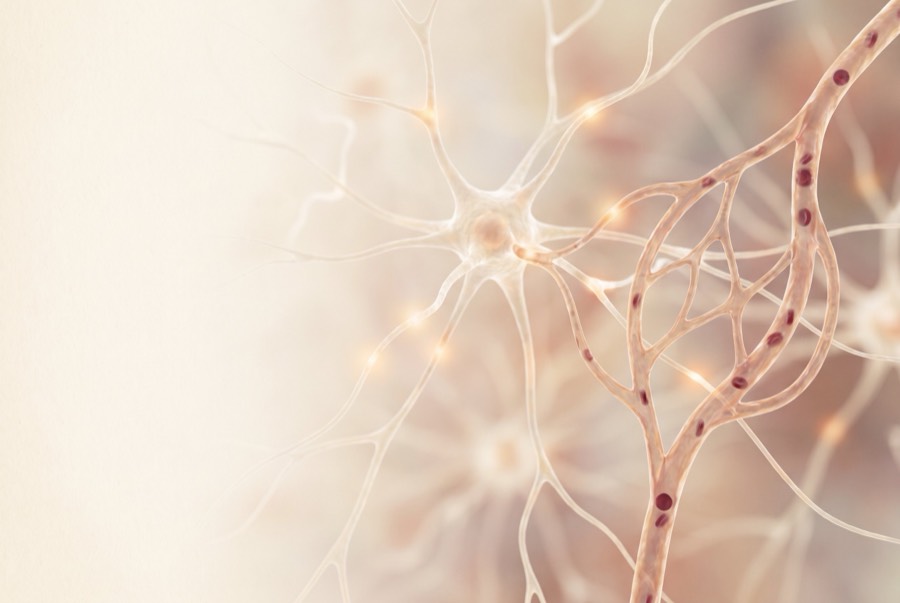
    3D visualisation of a neuron network
  5. Bioactive peptides, chosen for your metabolic profile, that support mitochondrial function in the oligodendrocytes and neurons left energy-depleted by alpha-synuclein stress — easing the fatigue that accelerates decline and keeping your cells supplied with the energy the rest of the treatment depends on.

    3D visualisation of a peptide molecule

What to expect, step by step.

It begins with a conversation, and no obligation. Here is how treatment takes shape.

01

Free medical review

A physician reviews your diagnosis, MSA subtype, autonomic status, history and goals remotely. No cost, no obligation.

02

Eligibility & plan

The medical board studies your documents and tells you honestly whether we can help — then designs your protocol.

03

Laboratory preparation

Your cells are collected, prepared and quality-tested in our own laboratory, with full traceability. About 2–3 weeks.

04

Treatment in Budapest

Delivered by infusion or targeted administration under medical supervision, with blood pressure monitored throughout. We arrange your flights, transfers and accommodation.

05

Supervised rehabilitation

A rehabilitation plan adapted to your dominant symptoms — gait and balance, motor coordination, and autonomic management, at the centre or remotely.

06

Long-term follow-up

A medical wristband, a dedicated coordinator and ongoing access for reassessment as things change.

Safety, and an honest word on expectations.

The treatment is designed to be well-tolerated across both MSA subtypes, including patients with significant autonomic instability. Mild, short-lived reactions can happen — brief fatigue, injection-site sensitivity, a low-grade temperature — and usually pass within a day or two. Because orthostatic blood pressure can be fragile in MSA, we monitor it during and after treatment and adapt the infusion where needed. Before every session there is a final on-site assessment; if your status has changed, we adjust or postpone. We will only take your case when we believe we can realistically help.

Assessed individually before we proceed

  • Active infection or fever
  • Active cancer, or ongoing chemo- or radiotherapy
  • Severe heart or kidney failure
  • Pregnancy

These are standard contraindications. One alone does not automatically rule you out — each is weighed against your full clinical picture.

A patient receiving regenerative therapy in a calm treatment room, a clinician attending

The work continues after Budapest.

In a fast-moving condition like MSA, the months after treatment matter as much as the treatment. A medical wristband streams your mobility, blood pressure and sleep data to our team, a rehabilitation specialist and a personal consultant stay in regular contact, and your protocol is adjusted as your needs change.

A patient and a member of the medical team in conversation at the institute

From our MSA patients and their families.

My husband was falling almost every day. He would stand up from a chair and his blood pressure would drop to nothing and down he went. Now he stands up slowly and stays on his feet, and the falls are down to maybe twice a month. His doctor in Vienna confirmed the improvement is real.
Wife of a patient · MSA-P · Austria
My mother walks with just a cane indoors now. Before treatment she could not cross a room without grabbing the furniture. Her speech is clearer too, so we can understand her on the phone again. Her neurologist in Milan was genuinely surprised at the follow-up.
Daughter of a patient · MSA-C · Italy
Four months on, I lift my feet when I walk instead of shuffling. The dizziness on standing has not gone completely, but I can manage it, and the bladder control is better. My wife says I seem like myself again, and honestly I feel like it too.
Patient · MSA-P · Germany
We went through the programme for my father. His swallowing improved gradually, so he chokes less and eats more confidently, and the constipation that had troubled him for a year eased. The decline slowed, and that gave our family time we had not expected to have.
Son of a patient · MSA with autonomic predominance · Saudi Arabia
I am a retired watchmaker and I could not hold a coffee cup steadily. After the programme the tremor in my hands settled and my coordination improved. I can write again — not beautifully, but legibly. Three months in, my physiotherapist measured better balance for the first time since my diagnosis.
Patient · MSA-C · France
We came knowing MSA does not simply go away, and they were straight with us about what was realistic. What changed is the pace. A year on my mother still gets herself to the table for meals, her fainting spells are far less frequent, and she sat through the whole family lunch last Sunday.
Daughter of a patient · MSA-P · Italy

Every case is different. Request a review to talk through yours with our medical team.

Request a medical review for MSA.

Send us your diagnosis and we will review it. A medical advisor will be in touch — and will stay with you through the whole treatment as your direct line to the medical team. Free, and no obligation.

By submitting this form, you consent to Caplan processing your personal data for the purpose of medical consultation in accordance with applicable data protection regulations.

The evidence we build on.

Our approach draws on published, peer-reviewed research into cell and regenerative therapy for multiple system atrophy. A selection of the studies that inform it:

These studies inform our protocol. They report findings from research populations, and every patient's response is different. We assess what they mean for your case individually.

  1. Monitoring of Outcomes of Cellular and Exosome-based Therapies in Neuroinflammatory SyndromesClinicalTrials NCT07145502
  2. Intrathecal Administration of Autologous Mesenchymal Stem Cells in Multiple System AtrophyPMC 6659003
  3. A Randomized Trial of Mesenchymal Stem Cells in Multiple System AtrophyPubMed 22829267
  4. Autologous Mesenchymal Stem Cell Therapy Delays the Progression of Neurological Deficits in Patients with Multiple System AtrophyPubMed 17898702
  5. Feasibility and Efficacy of Intra-Arterial Administration of Mesenchymal Stem Cells in an Animal Model of Multiple System AtrophyPMC 5442709