Regain function and independence
A European centre for neuroregeneration.
Since 2019 the institute has treated around 700 patients with serious neurological, autoimmune and degenerative conditions, adults and children alike. Each one receives a personalised neuroregeneration programme, built around their own biology here in central Budapest.
The conditions we treat.
We focus on serious neurological and neurodegenerative disease in adults and children. We study each case closely and take it on only when regenerative and cell therapy can realistically help.
Medical programme, designed around you.
A medical board studies your case and builds your treatment plan: documents review, regenerative and cell therapies, immune work, rehabilitation – combined into one comprehensive protocol.
-
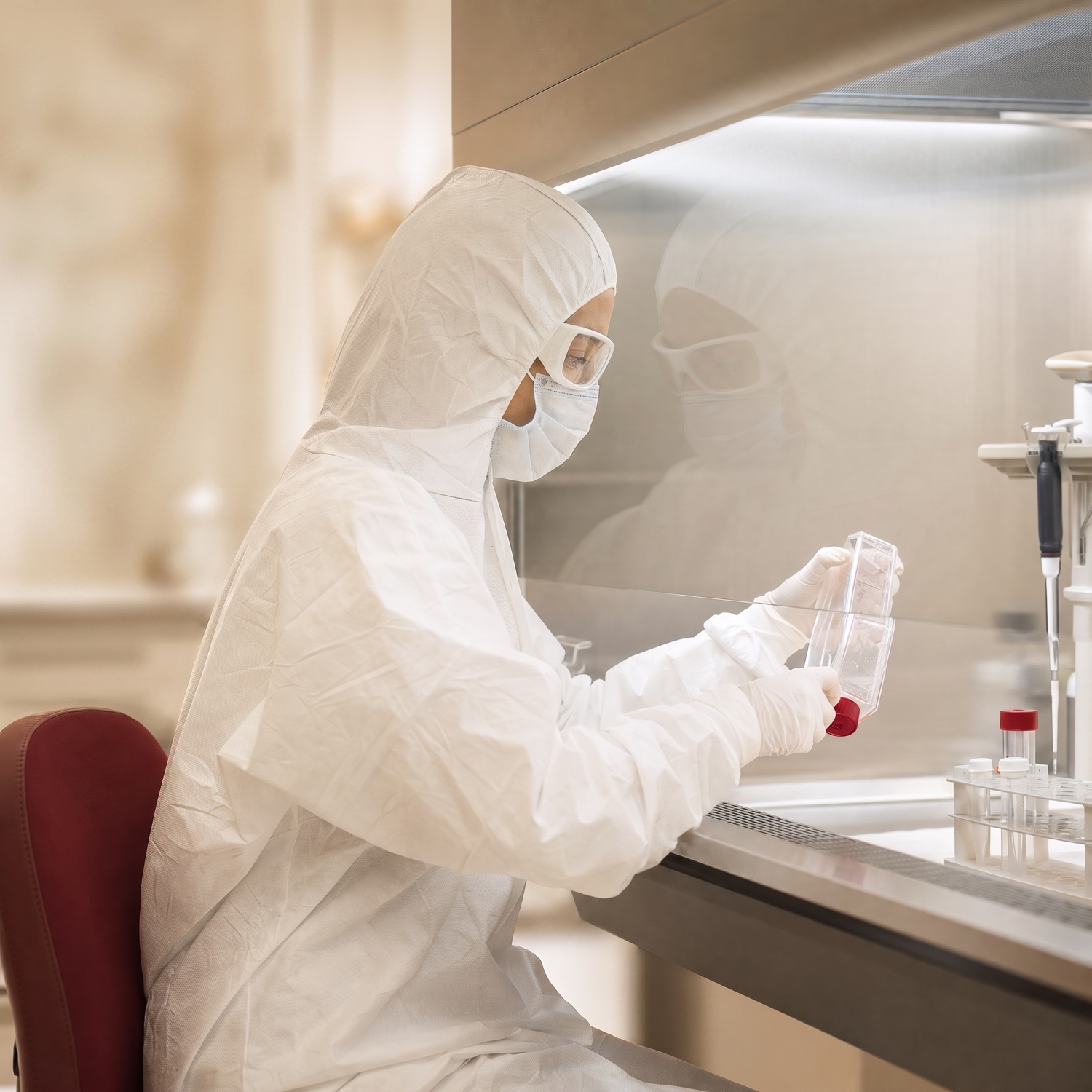
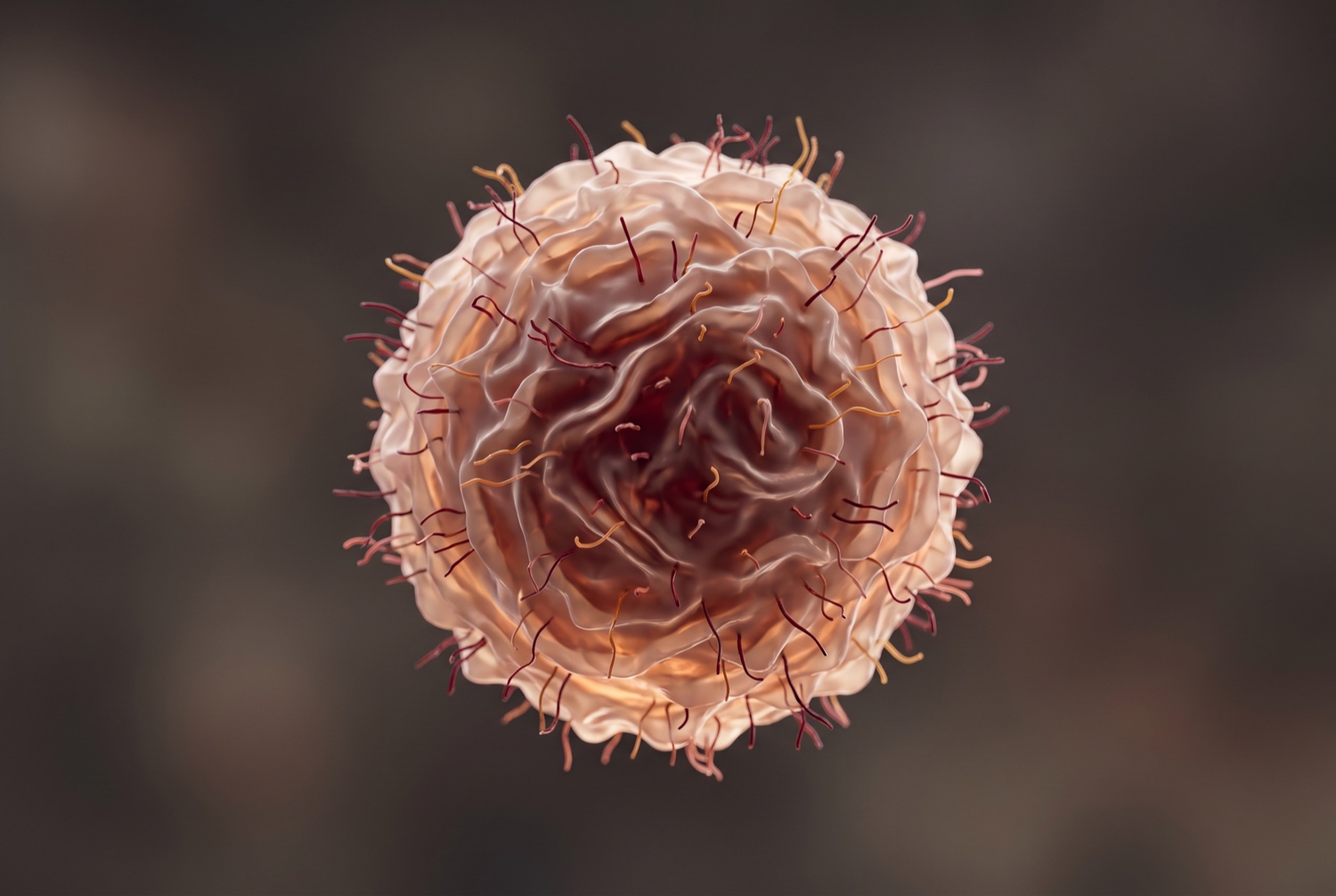
Specialised immune cells that restore balance when the immune system starts attacking your own nervous tissue. In autoimmune and neuro-inflammatory disease that response runs unchecked; T-regulatory cells calm it and rebuild tolerance – without the blanket immunosuppression that would leave you exposed to infection. They are prepared from your own blood, or from a certified donor.
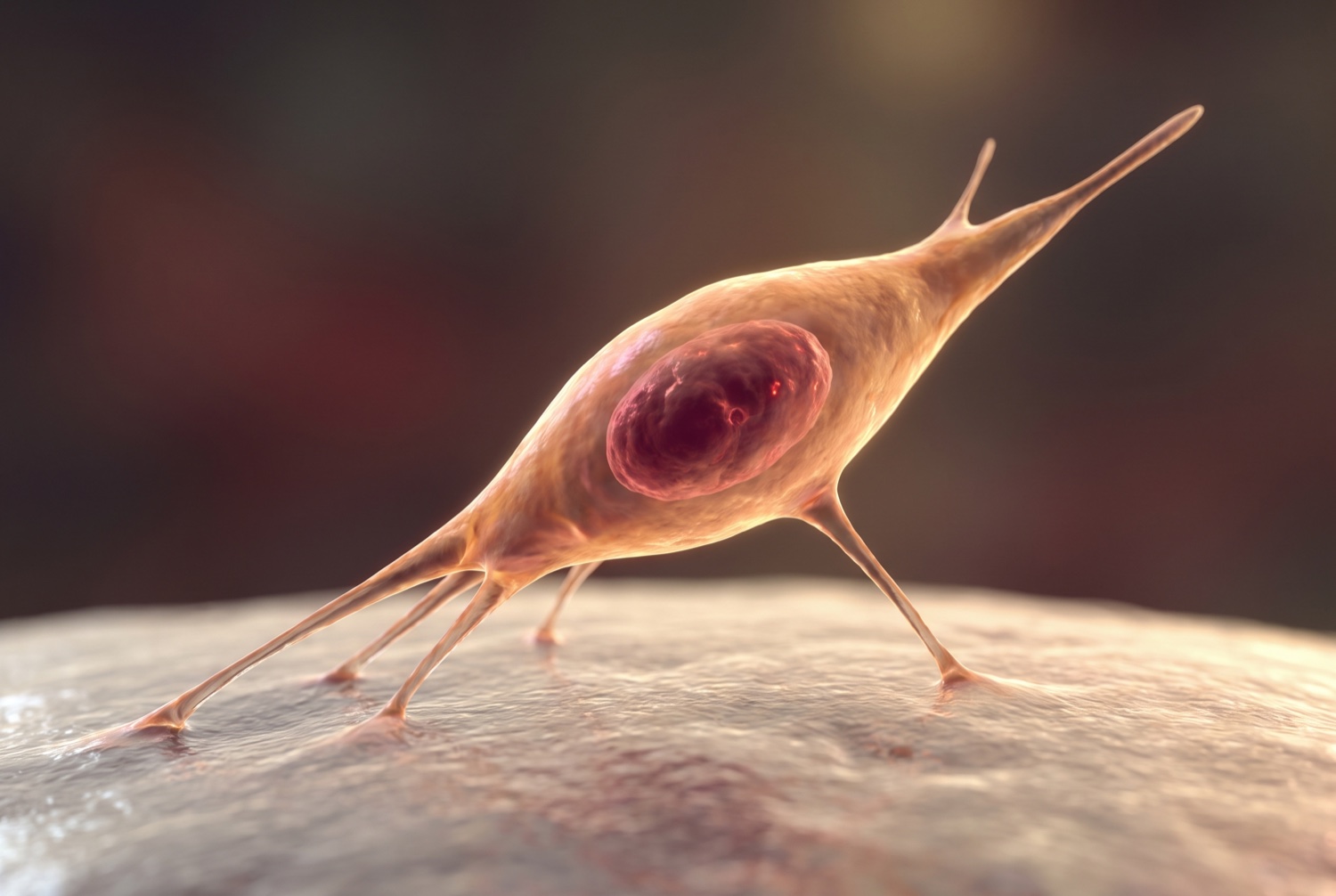
Multipotent regenerative cells that do two things at once: quiet the inflammation around damaged nerves and protect those nerve cells from further loss. They carry almost no rejection markers, so they can be used without immunosuppression, whether drawn from your own bone marrow or a matched donor. Their role is to create the conditions in which tissue can start to recover.
Nanoscale vesicles released by regenerative cells, carrying growth factors, regulatory proteins and micro-RNA. They are small enough to cross the blood–brain barrier that stops whole cells, so they take their repair signals straight into the brain and spinal cord – to the regions cell therapies alone struggle to reach.
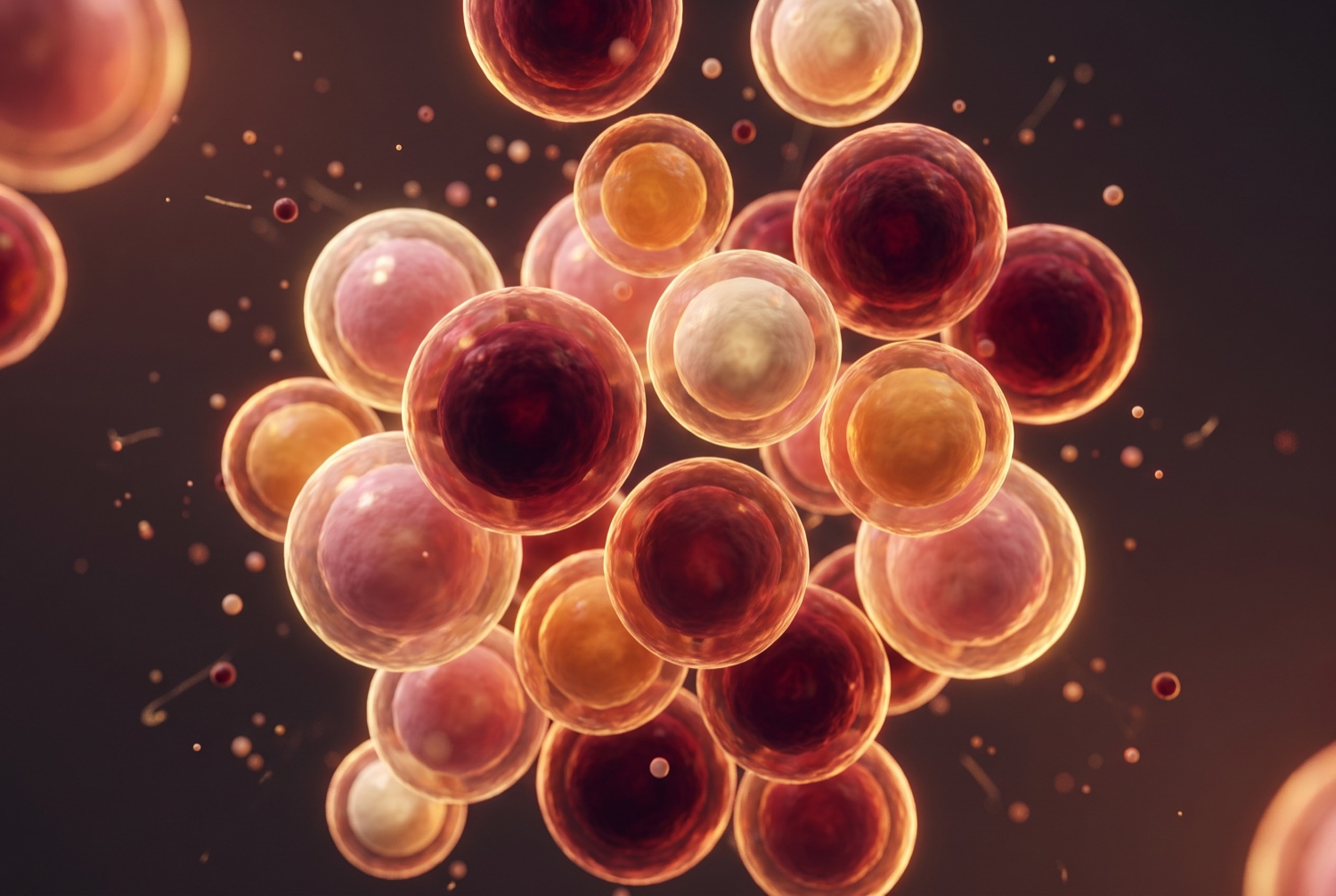
Non-invasive electrical stimulation, calibrated to the specific brain and spinal-cord circuits affected in your condition. Low-intensity currents retune how those circuits fire and strengthen signalling along the pathways that have been compromised. Unlike deep brain stimulation, it needs no implant and no surgery.
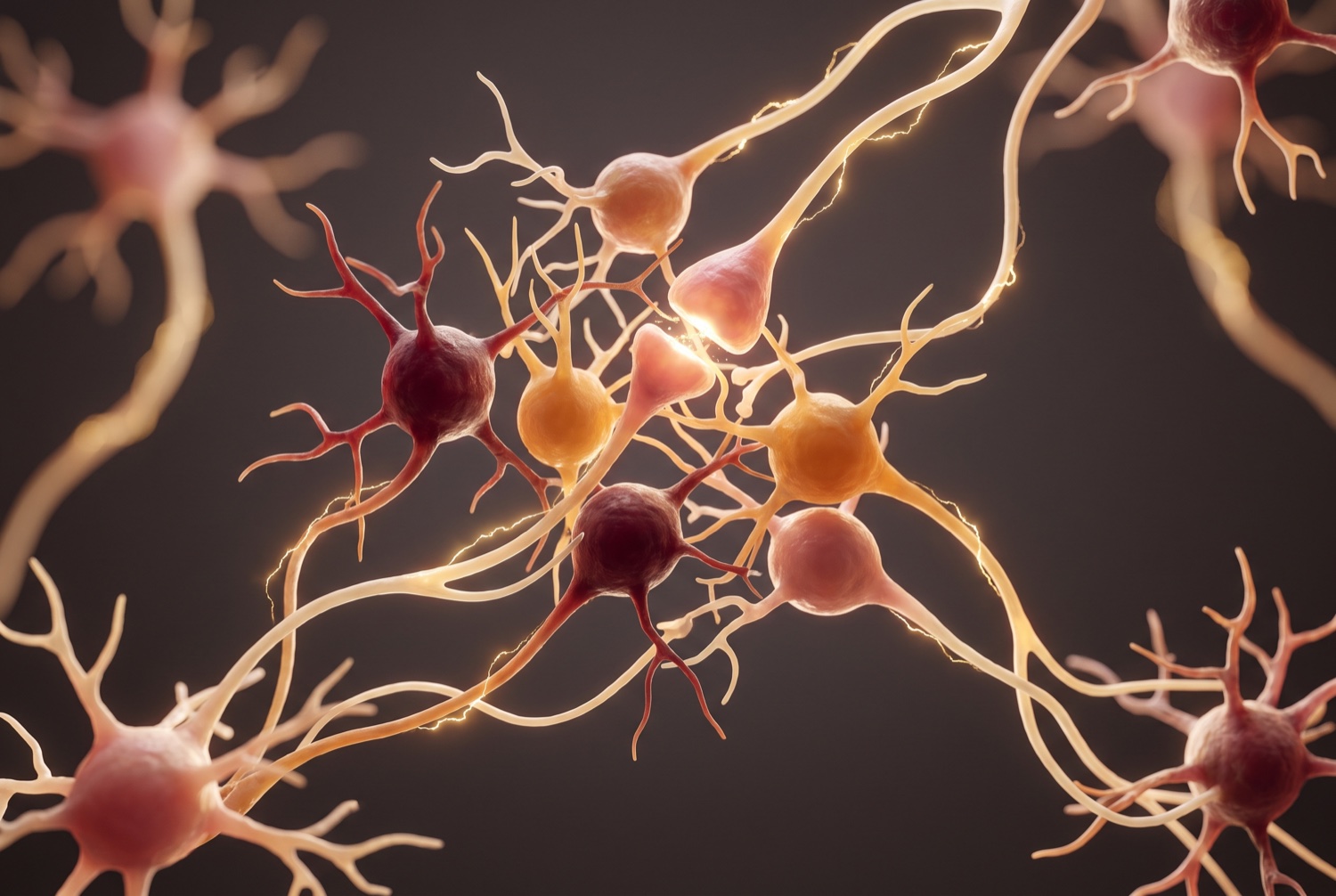
Bioactive peptides, chosen individually from your metabolic profile. Smaller and more precise than whole proteins, they target the mitochondrial and inflammatory problems that leave nerve cells vulnerable, and keep your cells supplied with the energy the rest of the therapy depends on.

Recovery continues long after Budapest.
Aftercare is built into every programme. You leave with a personal rehabilitation plan overseen by a rehabilitation specialist, a medical wristband that streams your data to our team, and a medical advisor who stays in constant contact.
What to expect, step by step.
It begins with a conversation. Here is how a programme takes shape.
1Assessment
We review your medical history, imaging and biology, and tell you honestly whether we can help.
2Your plan
The medical board designs a programme around your diagnosis and functional status.
3Treatment in Budapest
Components are prepared in our own laboratory and administered under medical supervision.
4Long-term follow-up
Rehabilitation continues after you leave: a personal rehabilitation plan overseen by a rehabilitation specialist, a medical wristband, and constant contact with your medical advisor. Improvement often continues for months.
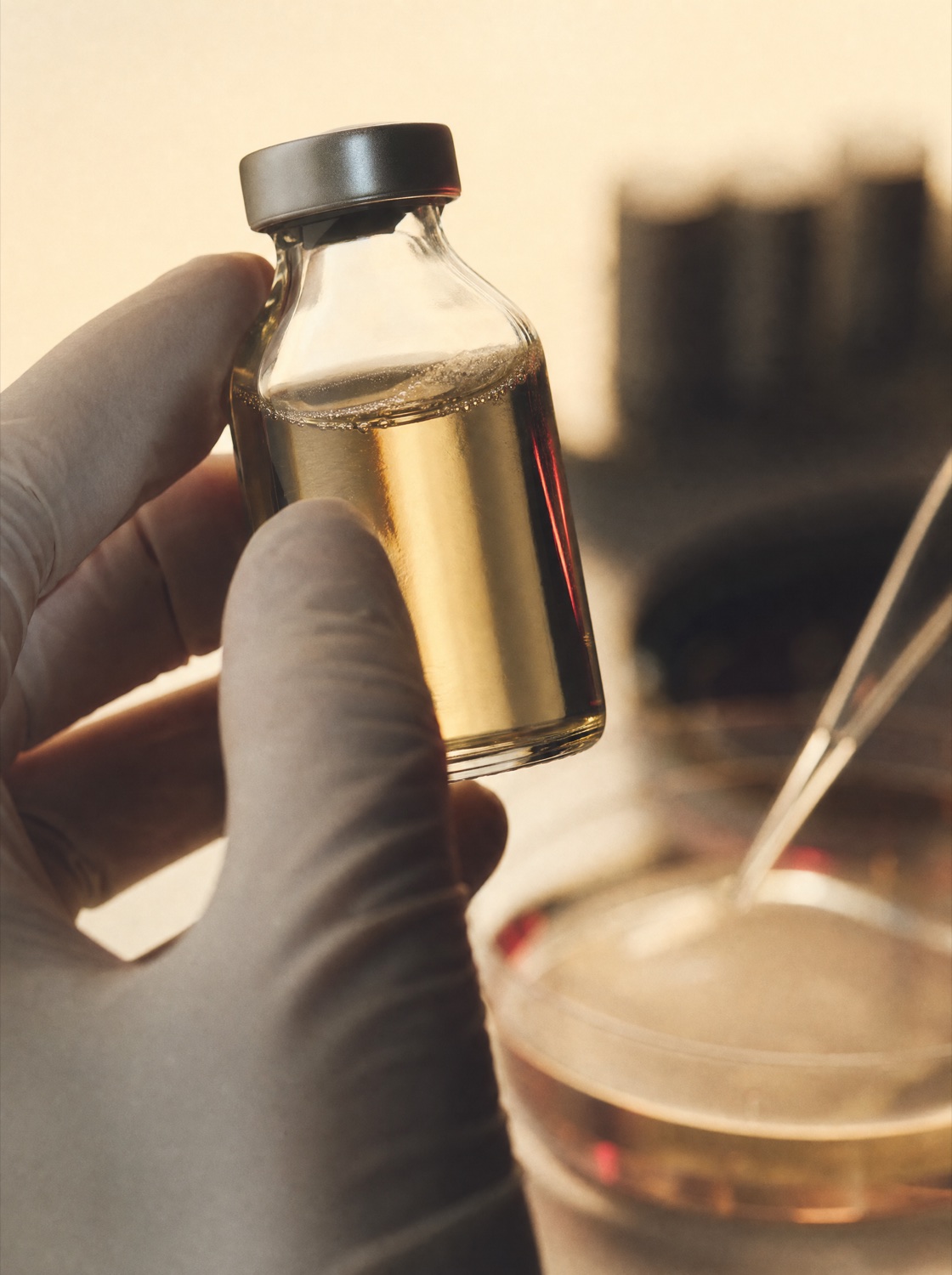
What our patients gain.
A registry of the improvements our patients have reported since 2019 – what treatment actually changes in daily life. We show them as they are: improvement is common, outcomes vary from person to person, and an average is never a promise.
Share of patients reporting a meaningful improvement · since 2019
3 yearsAverage time disease progression is held back across our patients.
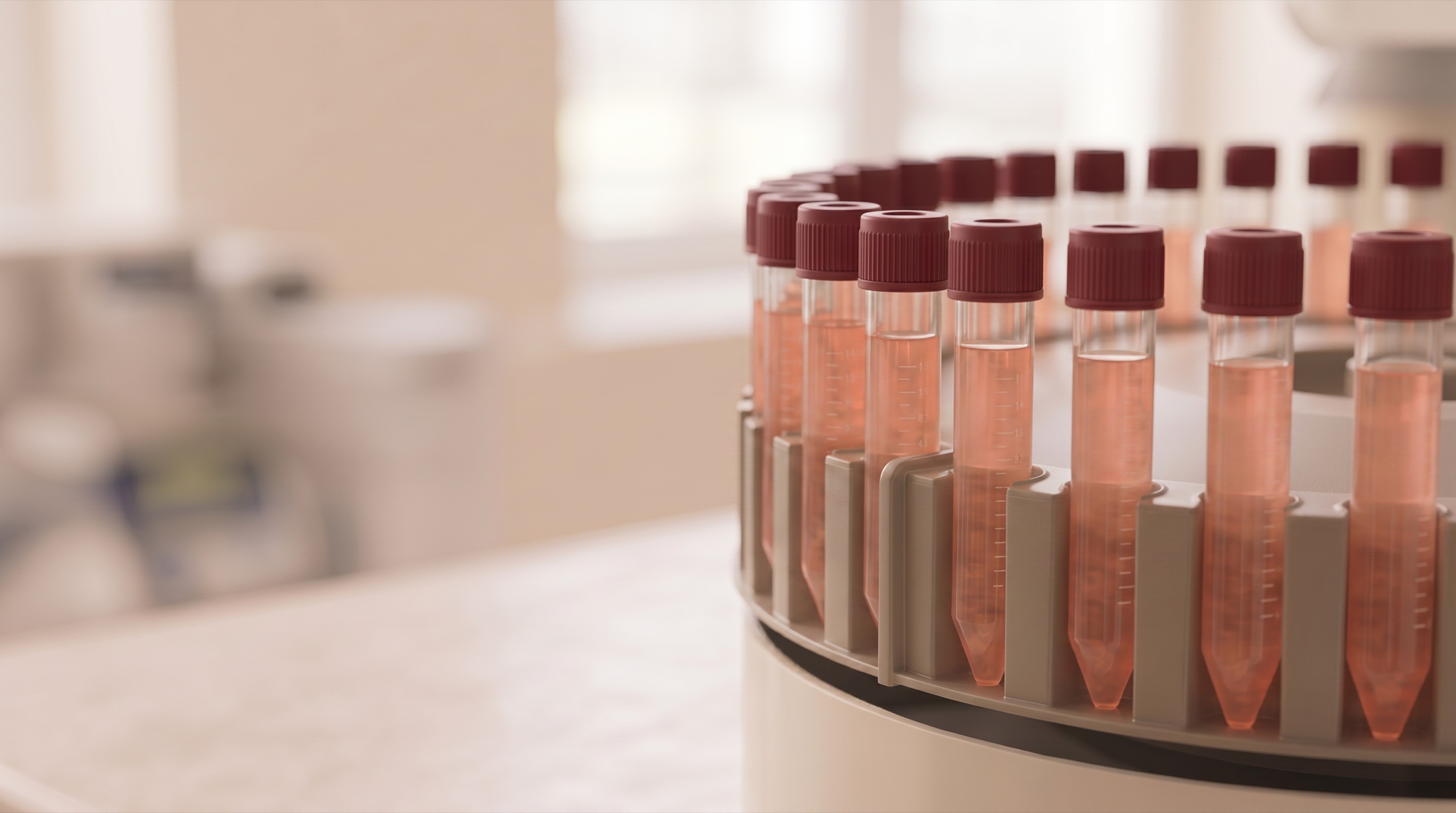
The laboratory, and its strict standards.
Each programme is prepared in the group’s own certified cell laboratory under EU manufacturing standards with full chain-of-custody per batch, then administered at our clinic in Budapest. Nothing is outsourced. The group also maintains a research presence in Boston.
- Certified cell laboratory, vertically integrated
- EU manufacturing standards, with full chain-of-custody per batch
- A research presence in Boston, USA

Why patients come to Budapest.
Hungary has drawn patients from across Europe for decades, with a deep tradition in medicine, research and rehabilitation. Budapest sits at the centre of the continent – a serious destination for specialist care, straightforward to reach from almost anywhere.
A European centre of care
Patients come here from across Europe for specialist treatment.
Built for recovery
Decades of clinical research and rehabilitation medicine.
Travel handled for you
We arrange your flights in and out, transfers and accommodation.
Where your treatment takes place.
The institute is based in a modern building on a quiet street in Buda's District II, a few minutes from the Danube. Consultations and treatment happen here.
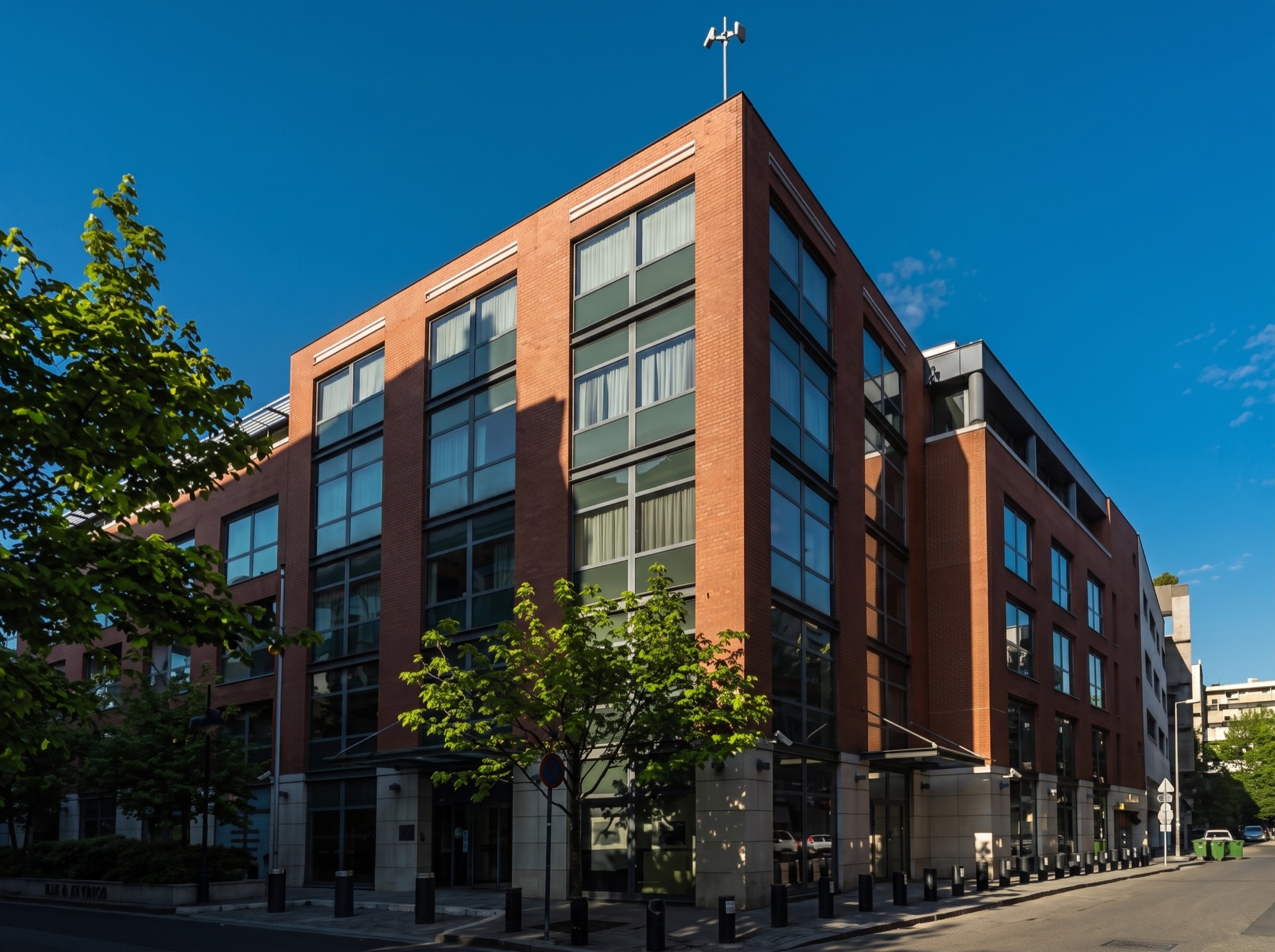
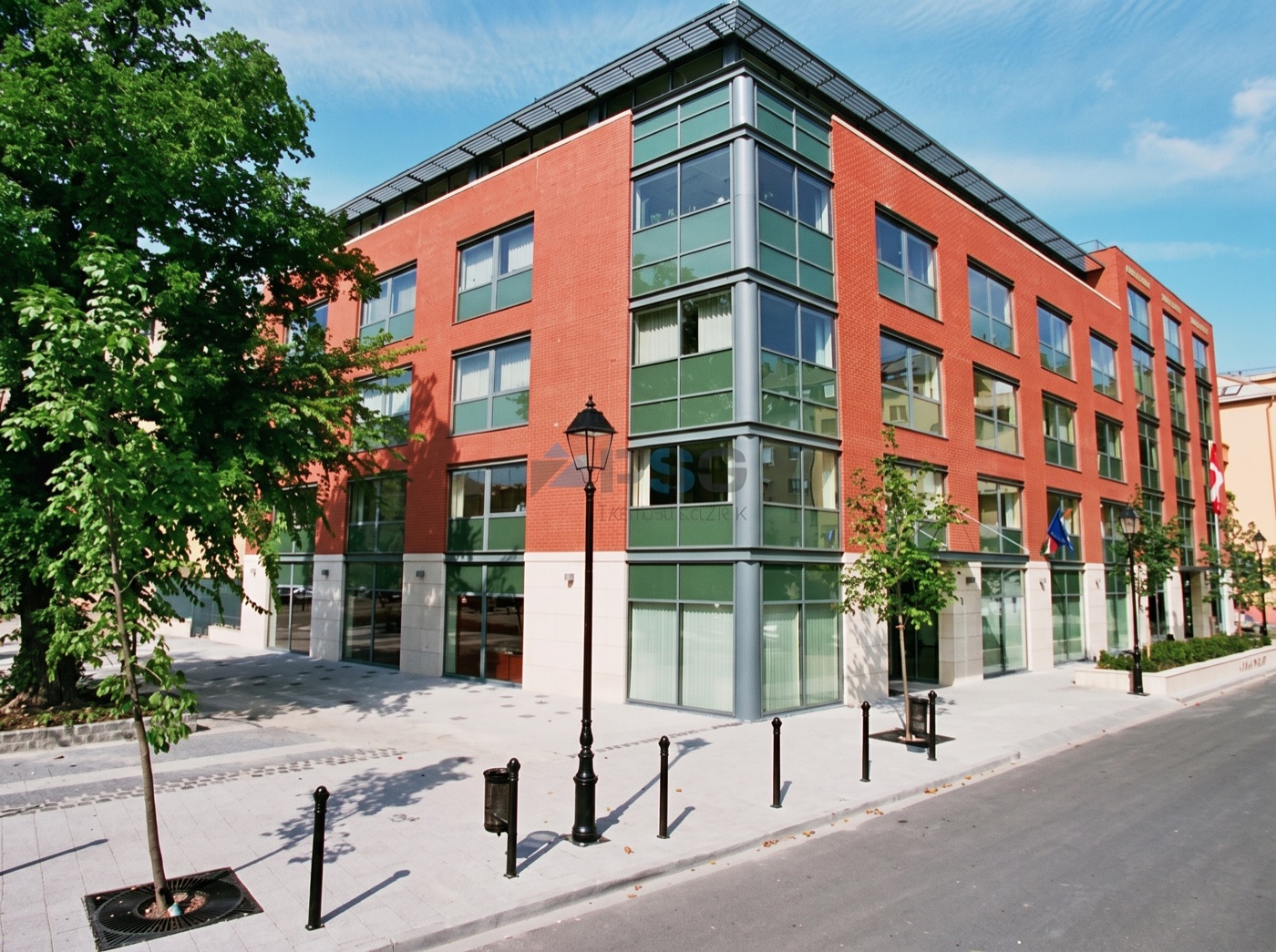
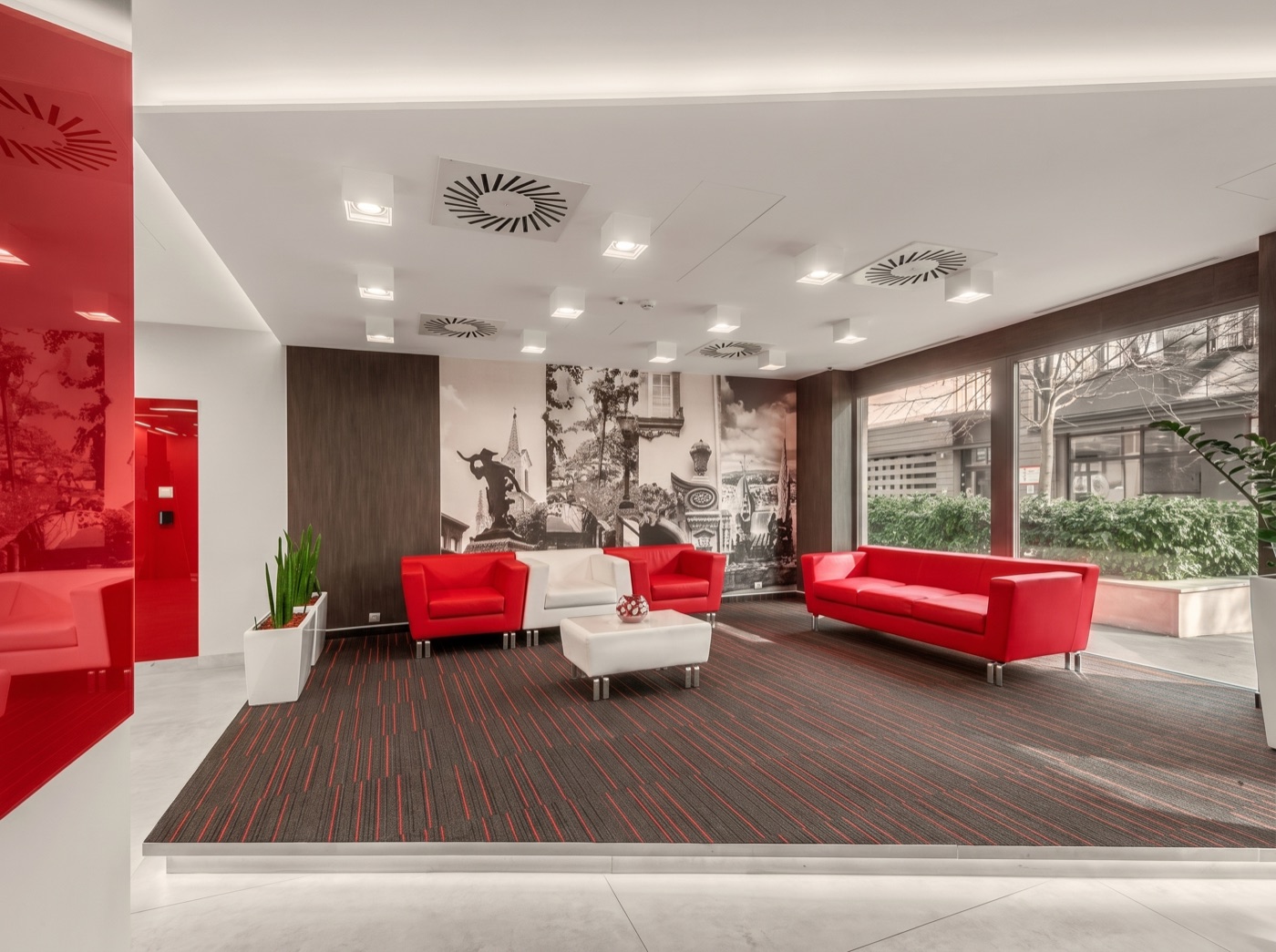
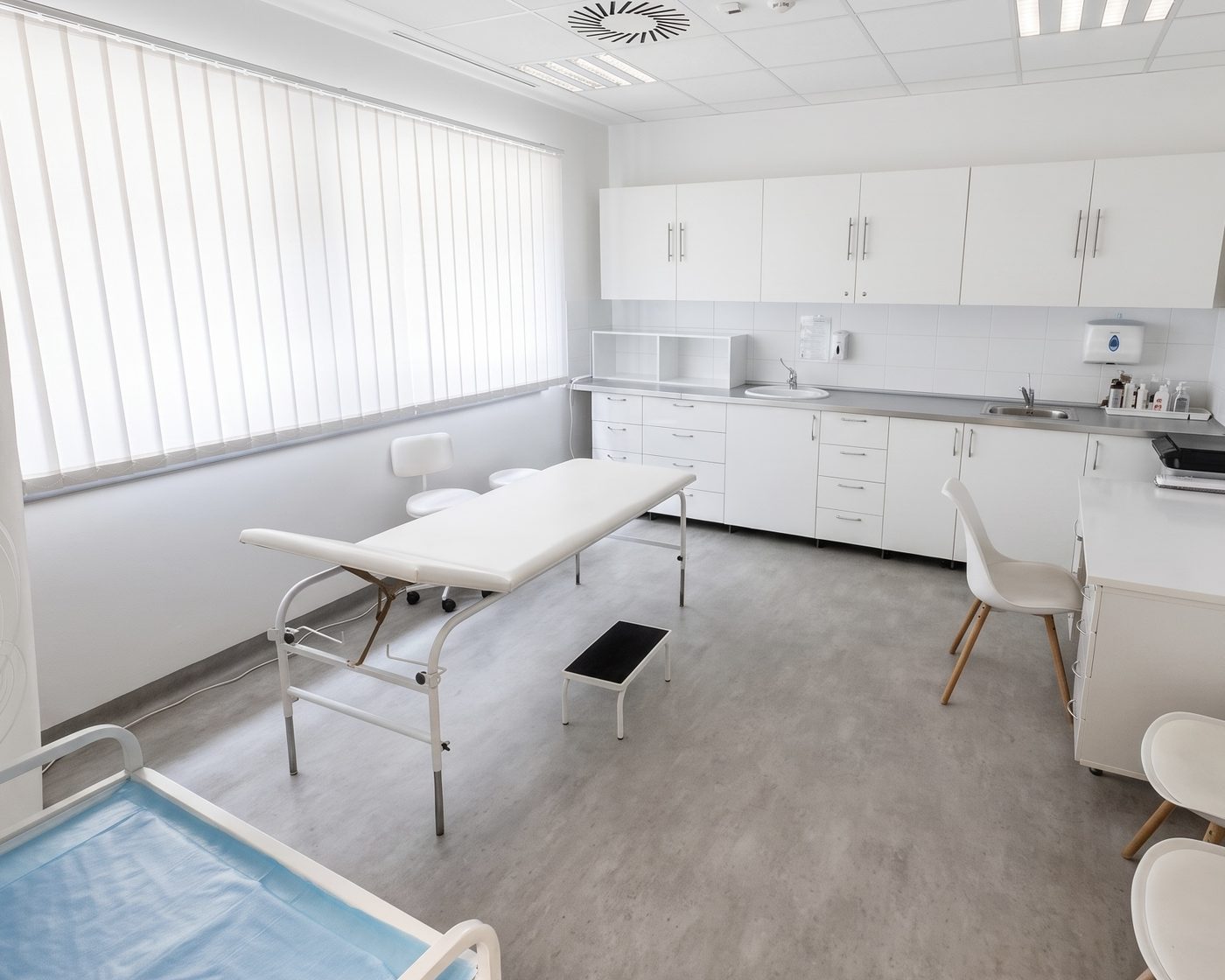
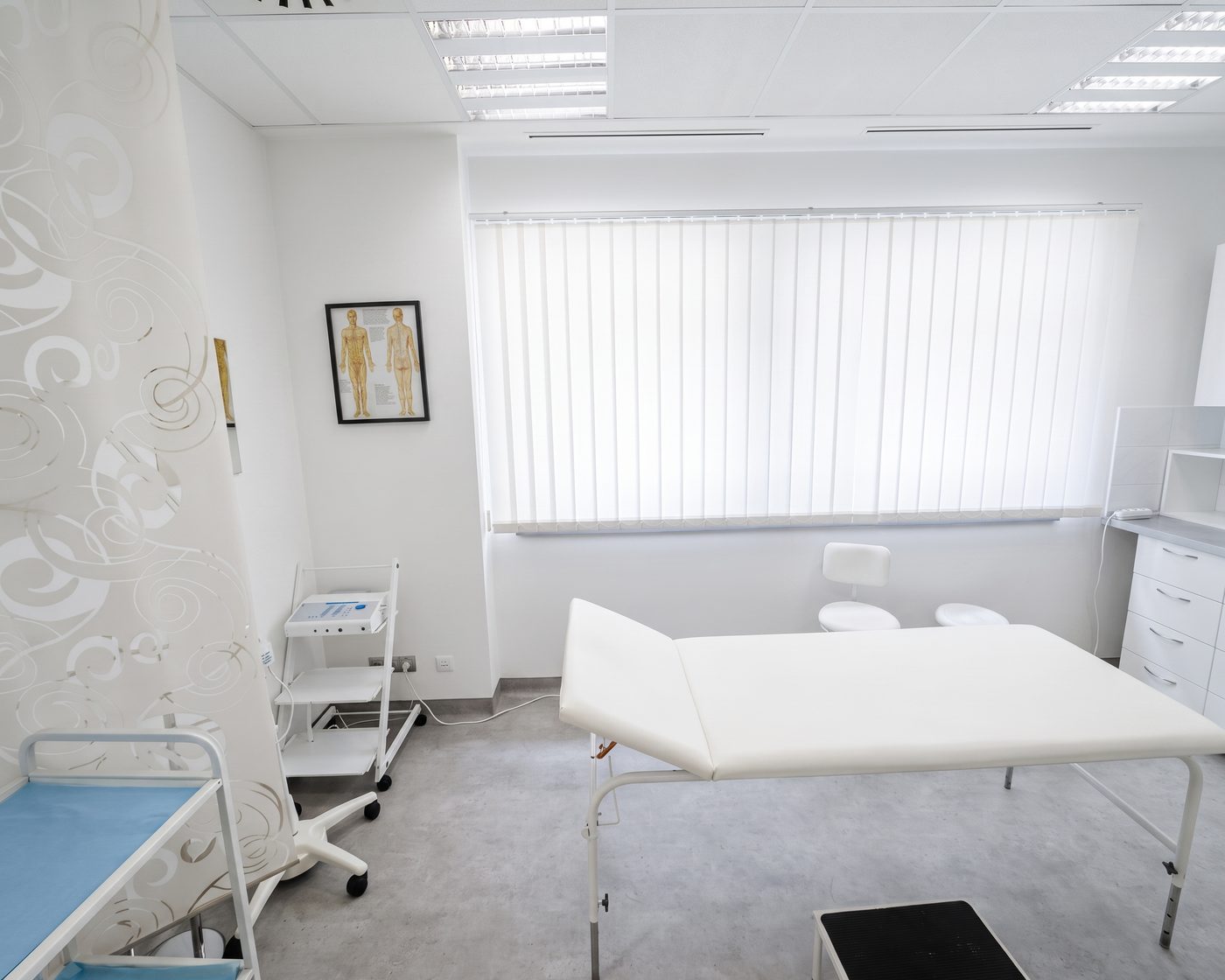
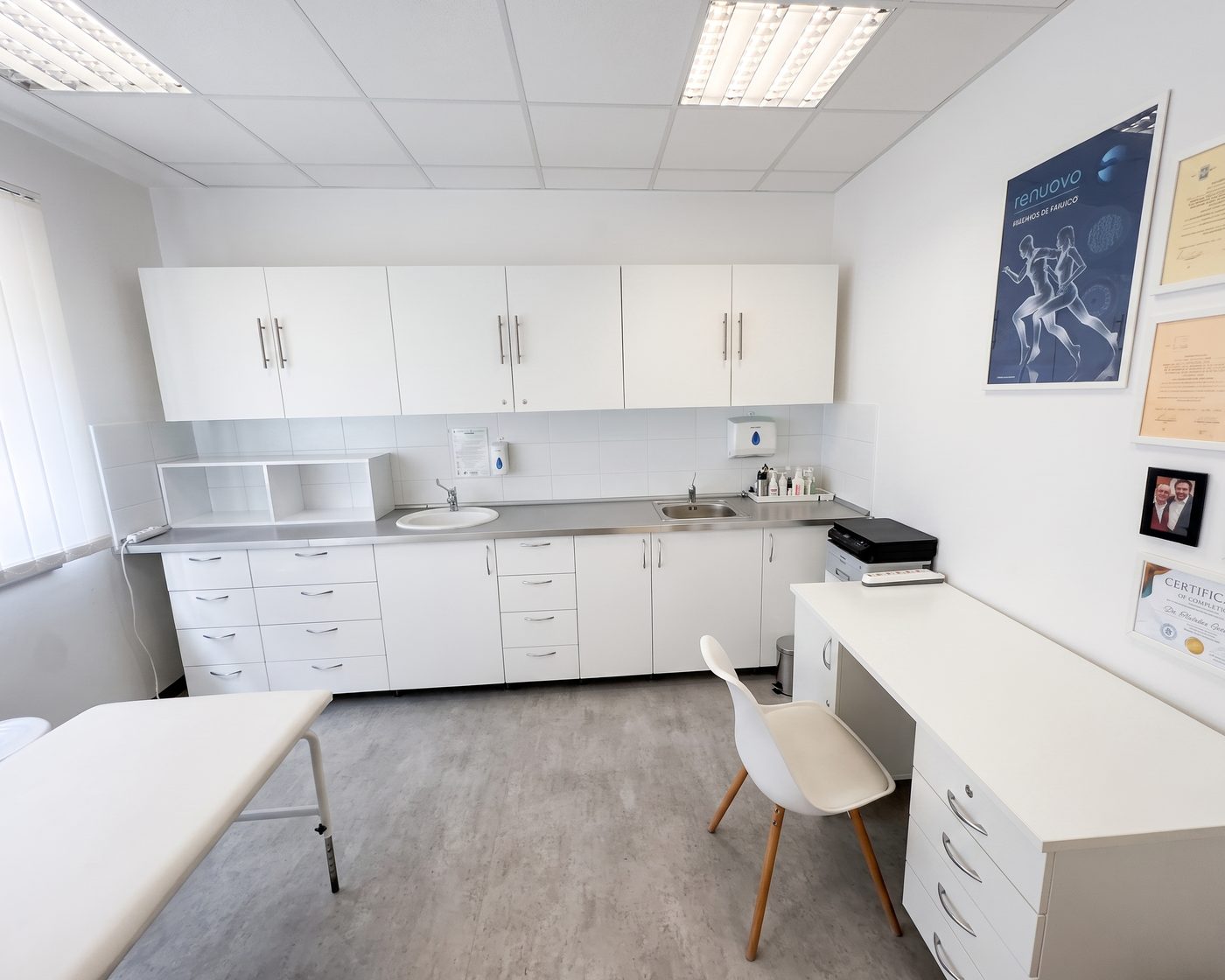
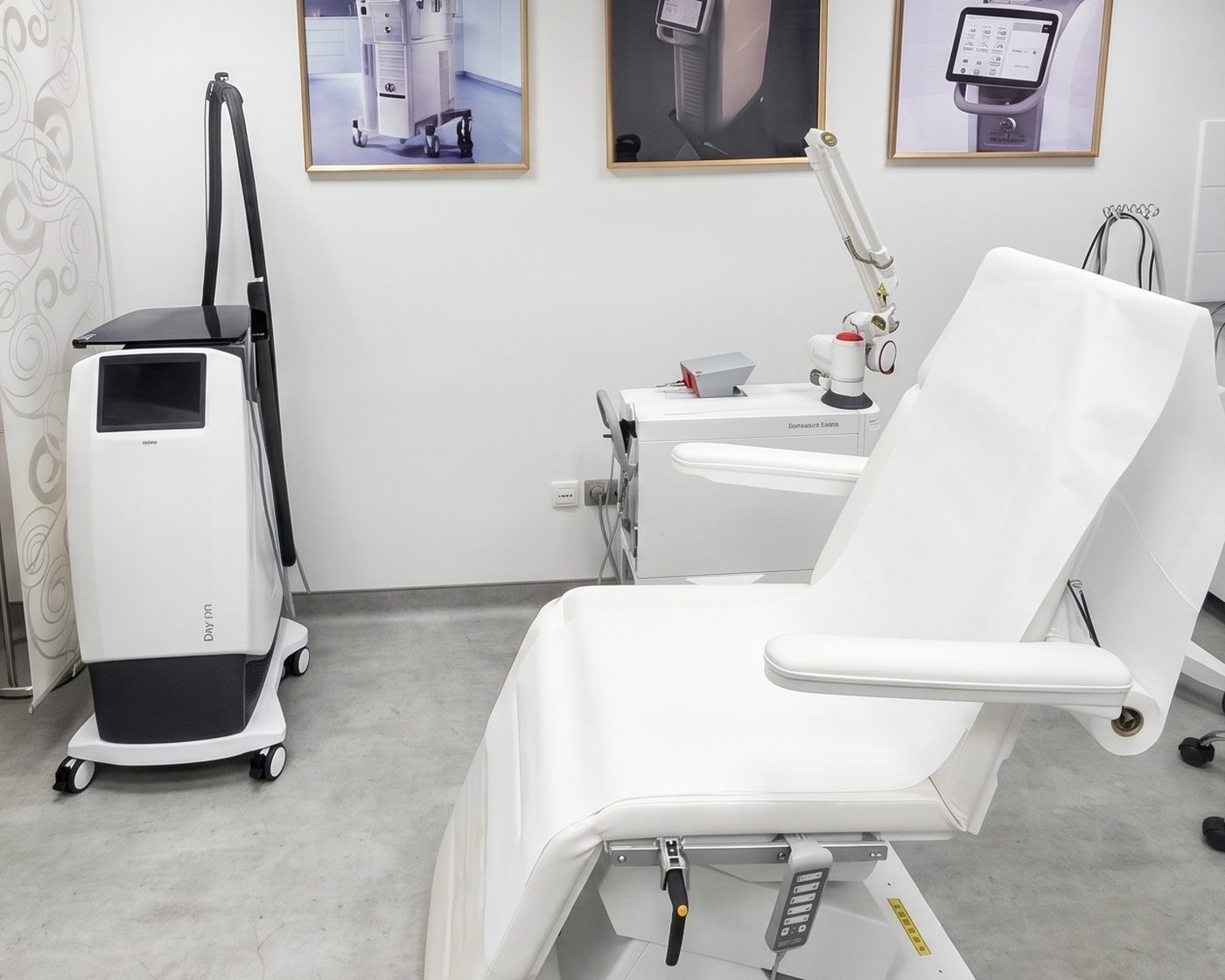
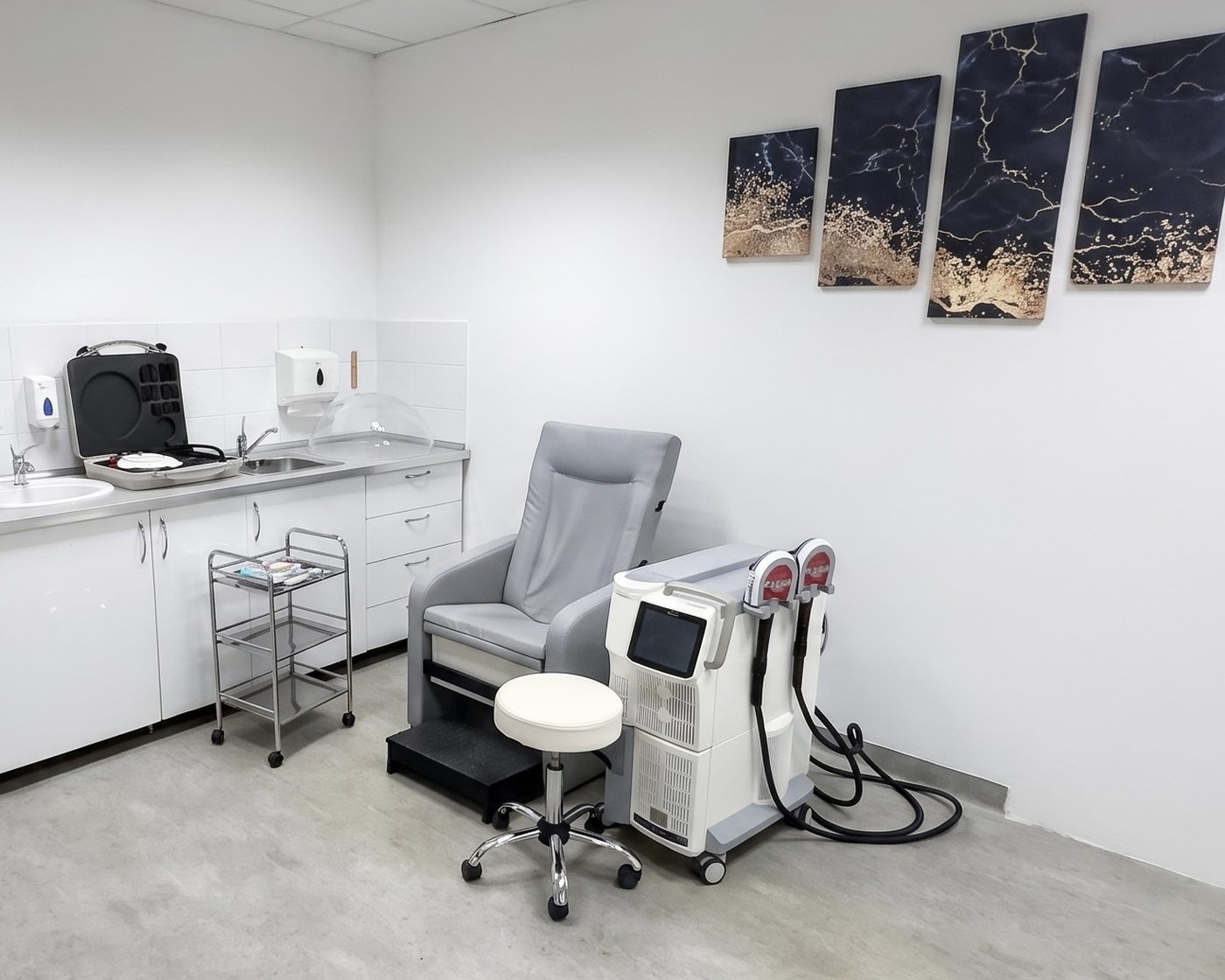
Királyfürdő utca 4, 1027 Budapest · District II
From patients and their families.
Two years ago I needed the wheelchair by mid-afternoon. The fatigue was the first thing to lift, and now I get through a full day on my feet. I still pace myself, but I have not touched the chair since the spring.
Patient · Multiple sclerosis · Italy I am honest about what ALS is – it does not reverse. But my breathing has held steady for over a year and I still feed myself and type. They told me plainly what was realistic, then helped me keep it far longer than I had been warned.
Patient · Amyotrophic lateral sclerosis (ALS) · United Kingdom My father could not button his shirt a year ago. Last week he did it without thinking and laughed at himself. The tremor is smaller, his walking is steadier, and he is back to his morning walk to the shop.
Daughter of a patient · Parkinson's disease · Ireland Around the third month my son started meeting our eyes again. He sleeps through the night now, and last week he said a full sentence to his grandmother. The meltdowns have eased, and the whole house feels calmer.
Mother of a patient · Autism spectrum disorder (ASD) · Norway Our daughter is seven and she sat unsupported for the first time this spring. She reaches for what she wants now and holds her own cup. Those are the things we had stopped letting ourselves expect.
Parents of a patient · Cerebral palsy (CP) · France MSA moves fast and we knew that coming in. They were straight with us about it. A year on, his blood-pressure swings are under control, he is steadier on his feet, and the falls that frightened us have nearly stopped.
Wife of a patient · Multiple system atrophy (MSA) · United Arab Emirates The numbness in my hands made me drop cups for years. It is mostly gone now, my balance is better, and last month I drove the children to school again for the first time since my diagnosis.
Patient · Multiple sclerosis · Germany Receive a medical review.
A medical advisor will be in touch – and will stay with you through the whole treatment. They keep you informed at every step and remain your direct line to the medical team.
By submitting this form, you consent to Caplan processing your personal data for the purpose of medical consultation in accordance with applicable data protection regulations.

Map data © OpenStreetMap contributors