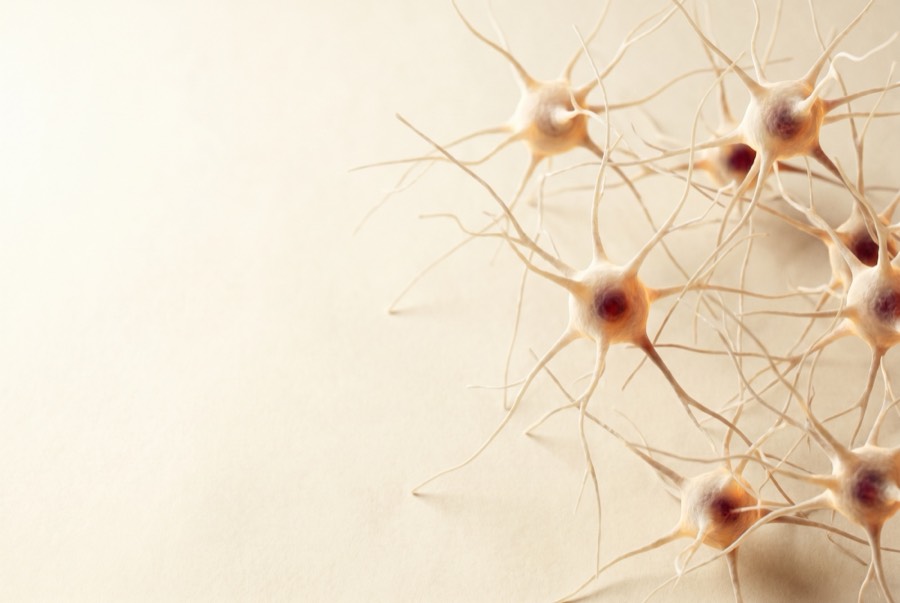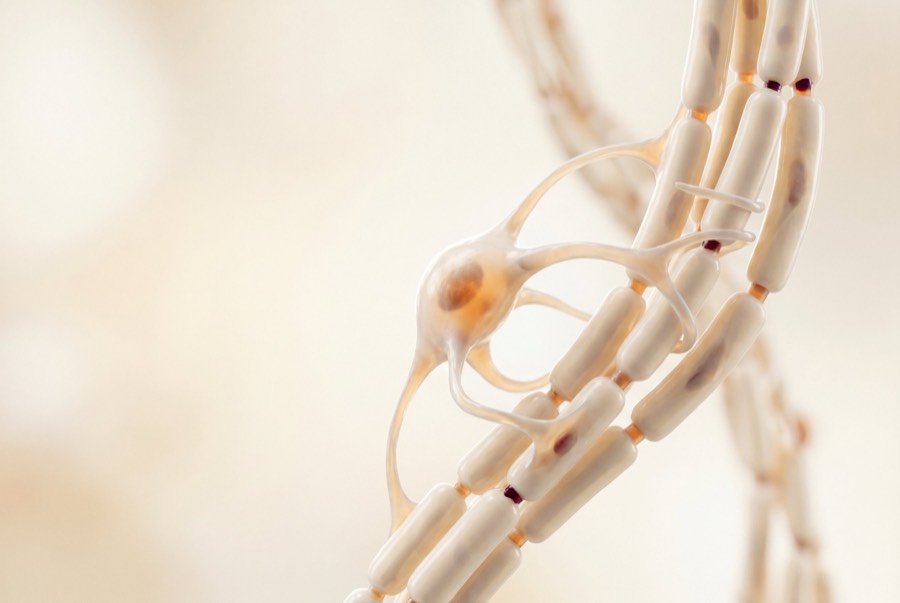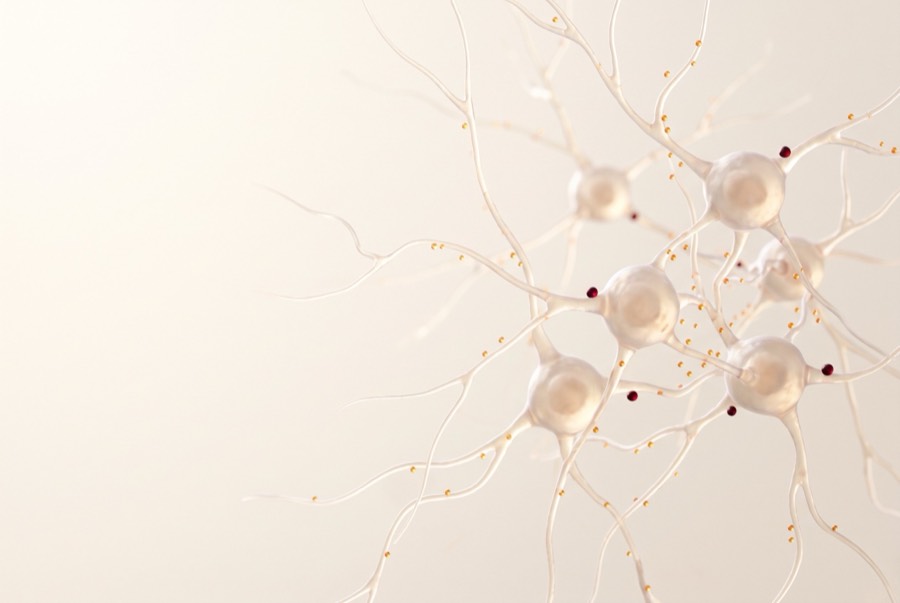
A scientific visualisation of neurons alongside a blood capillary

Ischaemic stroke · haemorrhagic stroke · post-stroke recovery

Regaining function after a stroke

A stroke leaves lasting deficits when tissue around the lesion is damaged and pathways are lost. Our treatment works on the biology of recovery — supporting neuroplasticity, repair around the lesion and the circuits that carry movement and speech — to help you regain function and daily independence. Every plan is built around your stroke type, deficits and recovery stage.

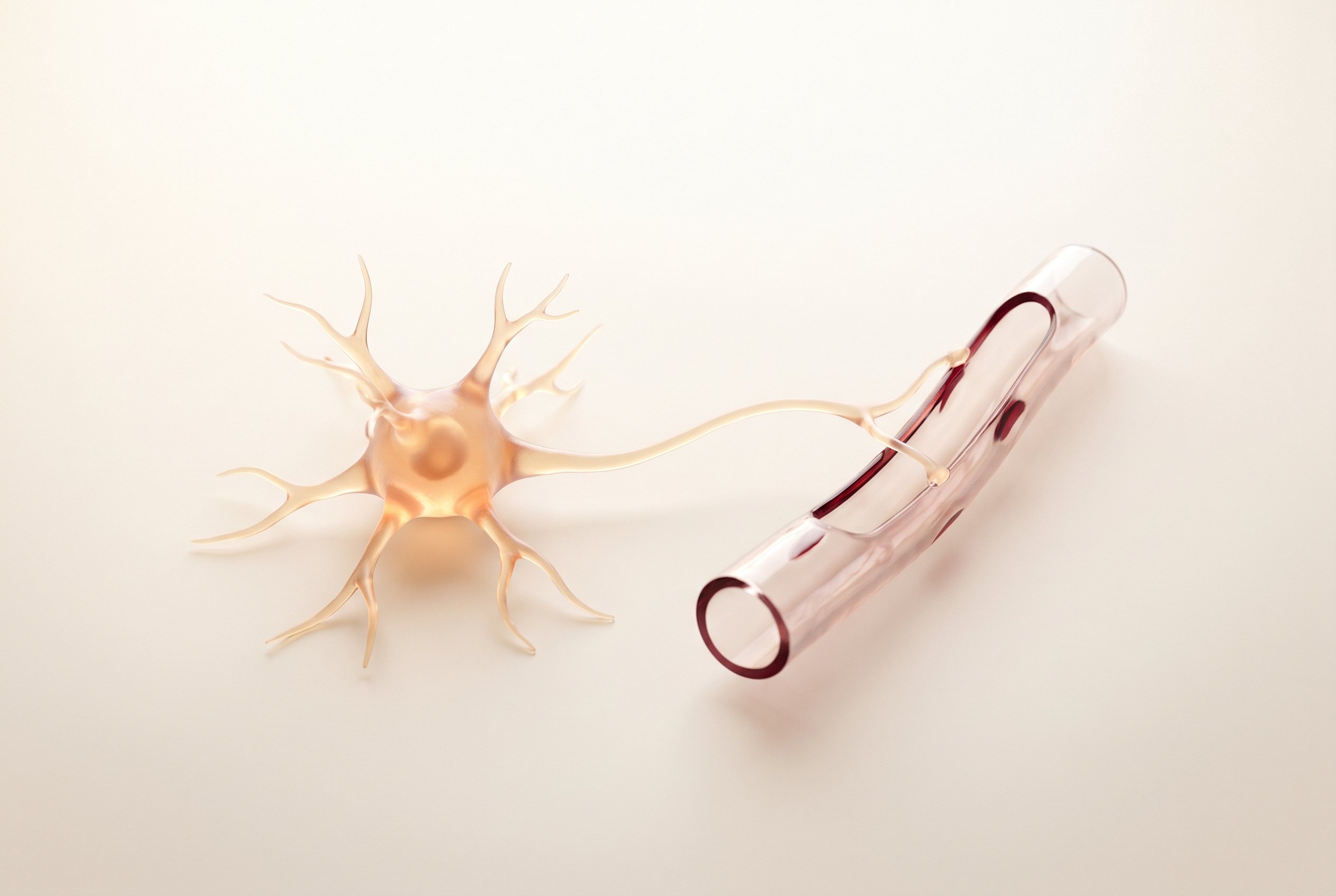
A scientific visualisation of a single neuron beside a blood capillary

What a stroke leaves behind, in plain terms.

A stroke happens when blood supply to part of the brain is cut off or a vessel ruptures. The affected tissue loses oxygen, and cells die quickly in the core while the surrounding zone stays damaged but salvageable. Unlike a degenerative disease, the injury is acute and localised, so recovery depends on how much of that surrounding tissue can be saved and how well new pathways form around the lesion. Acute care treats the vascular event; most lasting deficits in movement, speech and thinking come from the tissue damage that rehabilitation alone cannot fully reverse. Our treatment works on those recovery mechanisms.

  • Ischaemic ~85%, a clot blocks an artery
  • Haemorrhagic ~15%, a vessel ruptures
  • Recovery window opens once past the acute phase
  • Neuroplasticity the brain rewires around the lesion

What the treatment works to restore.

We do not promise a cure. What we work for is to support your recovery and improve daily life — helping you regain the functions a stroke disrupts most, so more of each day returns to your hands.

  • Movement & mobility Walking, gait and strength on the affected side.
  • Hand & arm function Grip, reach and fine motor control, with less spasticity.
  • Speech & language Word retrieval, fluency and clearer communication.
  • Balance Steadier balance, better coordination and fewer falls.
  • Independence Managing everyday tasks again and returning to activity.
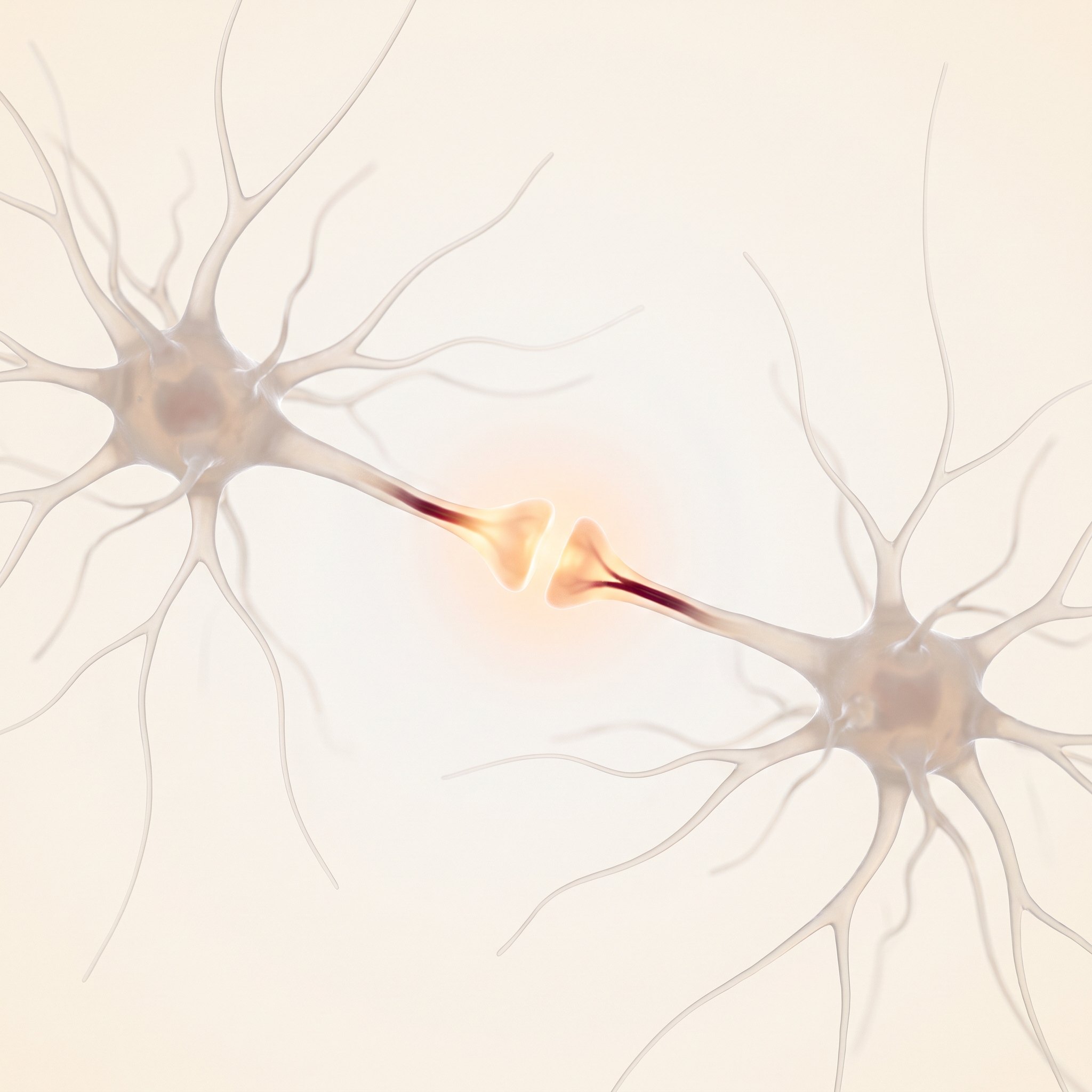
A 3D scientific visualisation of two neurons forming a new connection — the neuroplasticity that drives stroke recovery

What our post-stroke patients report.

A registry of what people recovering from stroke have reported since 2019, measured at follow-up and shown as it is. Across the 92 post-stroke patients we have supported, improvement in at least one measured domain is common — but outcomes vary from person to person, and an average is never a promise.

Share of post-stroke patients reporting a meaningful improvement in function · 92 patients, since 2019

  • Motor recovery — arm, hand and walking82%
  • Improvement in one or more domains84%
  • Speech, language and cognition77%
  • Balance and sensory recovery79%
  • Independence in daily activities81%
  • Overall quality of life80%
3 years

Average follow-up with sustained functional stability across our post-stroke patients.

Every result is individual — it depends on your stroke type, lesion size and location, the time since the event and your body's own biology.

How we treat stroke recovery.

No two protocols are the same. A medical board builds your plan from up to five biological components — combined, sequenced and dosed for your stroke type, lesion and deficits. Each works on a different driver of recovery, and together they aim to calm the inflammation that follows a stroke, support repair around the lesion and help the brain rewire the circuits you rely on.

  • Non-surgical — delivered by infusion or targeted administration, no general anaesthesia
  • Works alongside your existing rehabilitation and physiotherapy
  • No rejection risk and no immunosuppression
  • Can reactivate recovery well beyond the usual plateau at six to twelve months
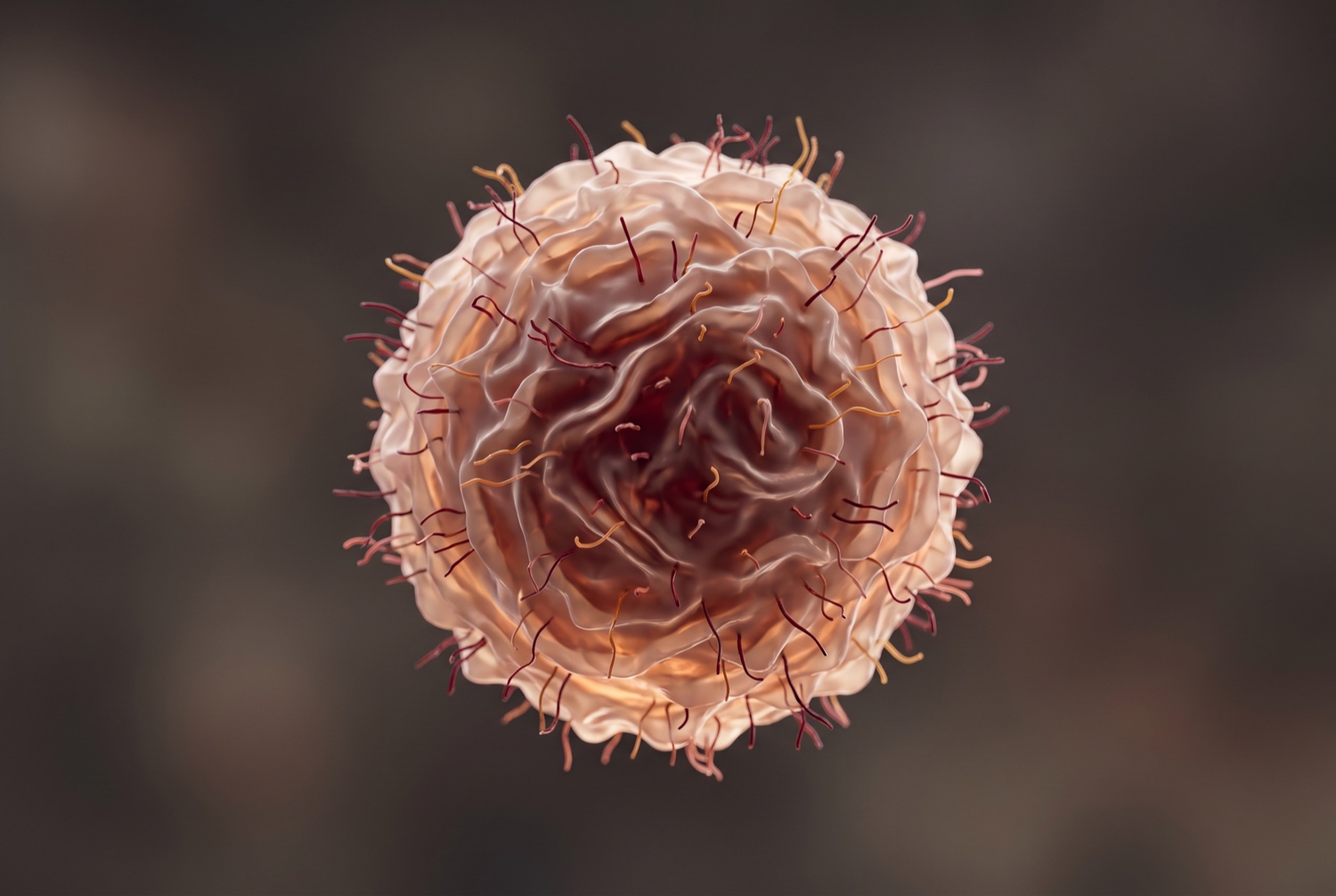
  1. In the weeks and months after a stroke, inflammation around the lesion keeps damaging salvageable tissue and holds back repair. T-regulatory cells are the immune system's own off-switch for this response — they calm the chronic neuroinflammation, limit further damage to surviving neurons in the zone around the infarct, and restore the neuro-immune balance that sustained recovery depends on. Prepared from your own blood, or from a certified donor. This is often where we begin.

    3D visualisation of a T-regulatory immune cell
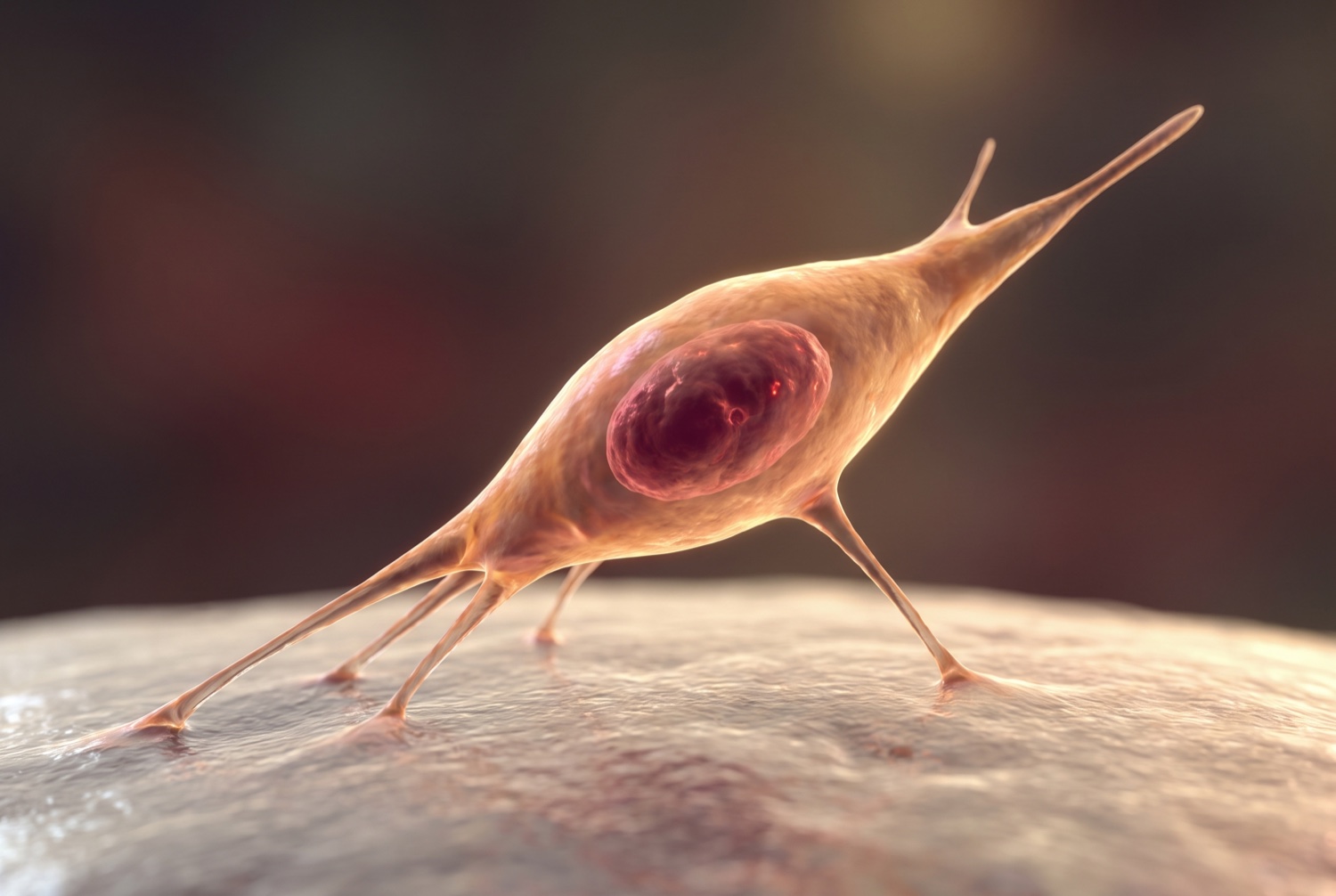
  2. The zone around the infarct holds neurons that are damaged but still recoverable. These multipotent cells reduce the inflammation that threatens them, encourage new blood vessels to form and restore oxygen supply, and create the conditions for neural repair — extending the window for functional recovery well past the acute phase. They carry almost no rejection markers, so they can be used without immunosuppression, whether drawn from your own bone marrow or a matched donor.

    3D visualisation of a mesenchymal stem cell
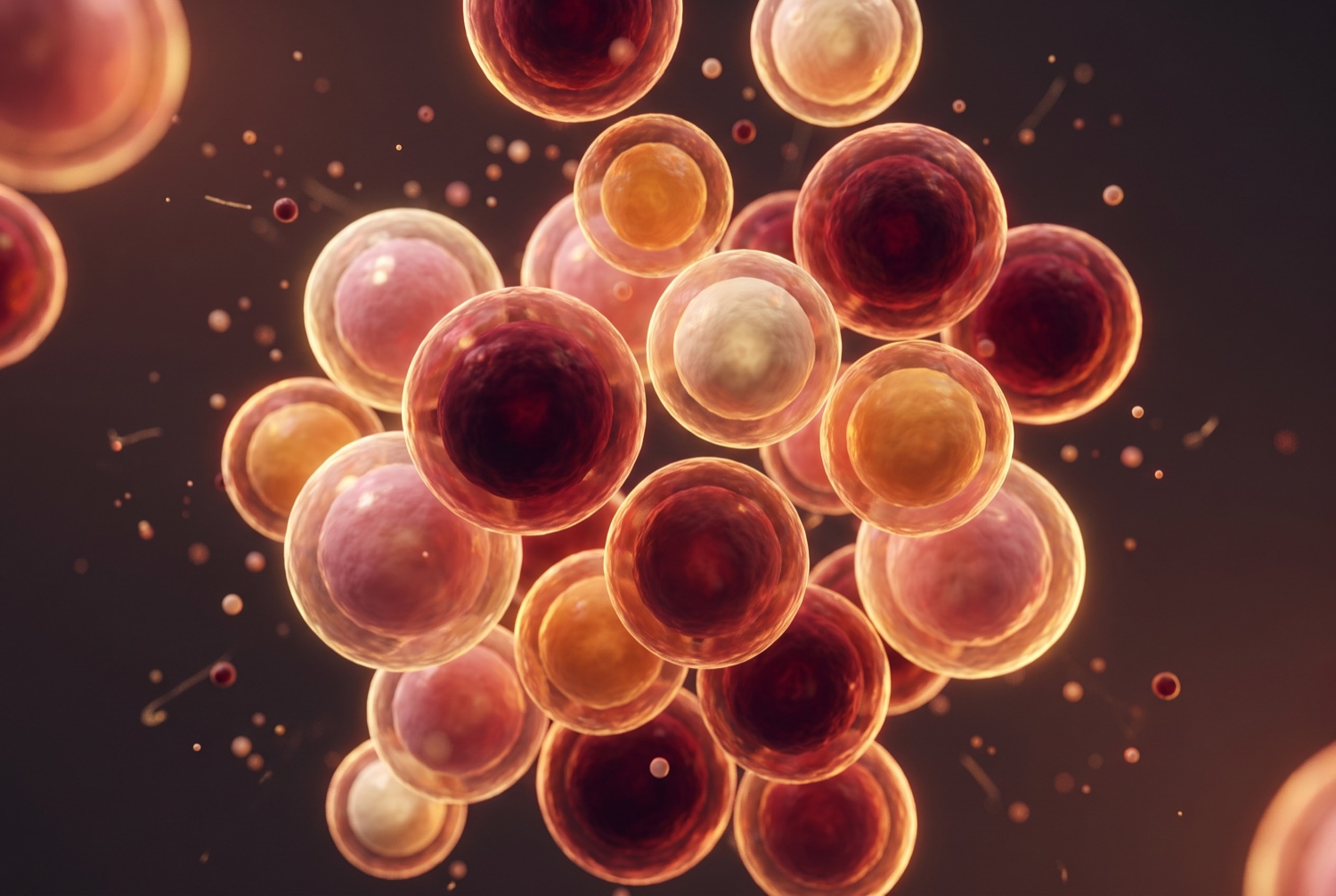
  3. Recovery depends on the brain forming new connections and rerouting pathways around the damaged area. These nanoscale vesicles cross the blood–brain barrier to carry repair signals straight to the tissue around the lesion — driving axonal sprouting, synaptic remodelling and white-matter repair at the cellular level, where rehabilitation cannot reach.

    3D visualisation of exosome vesicles
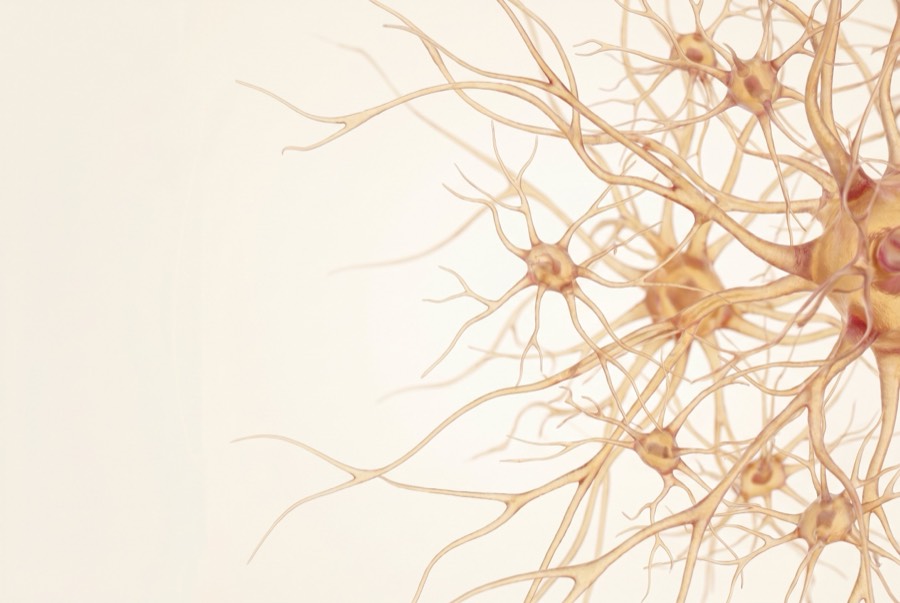
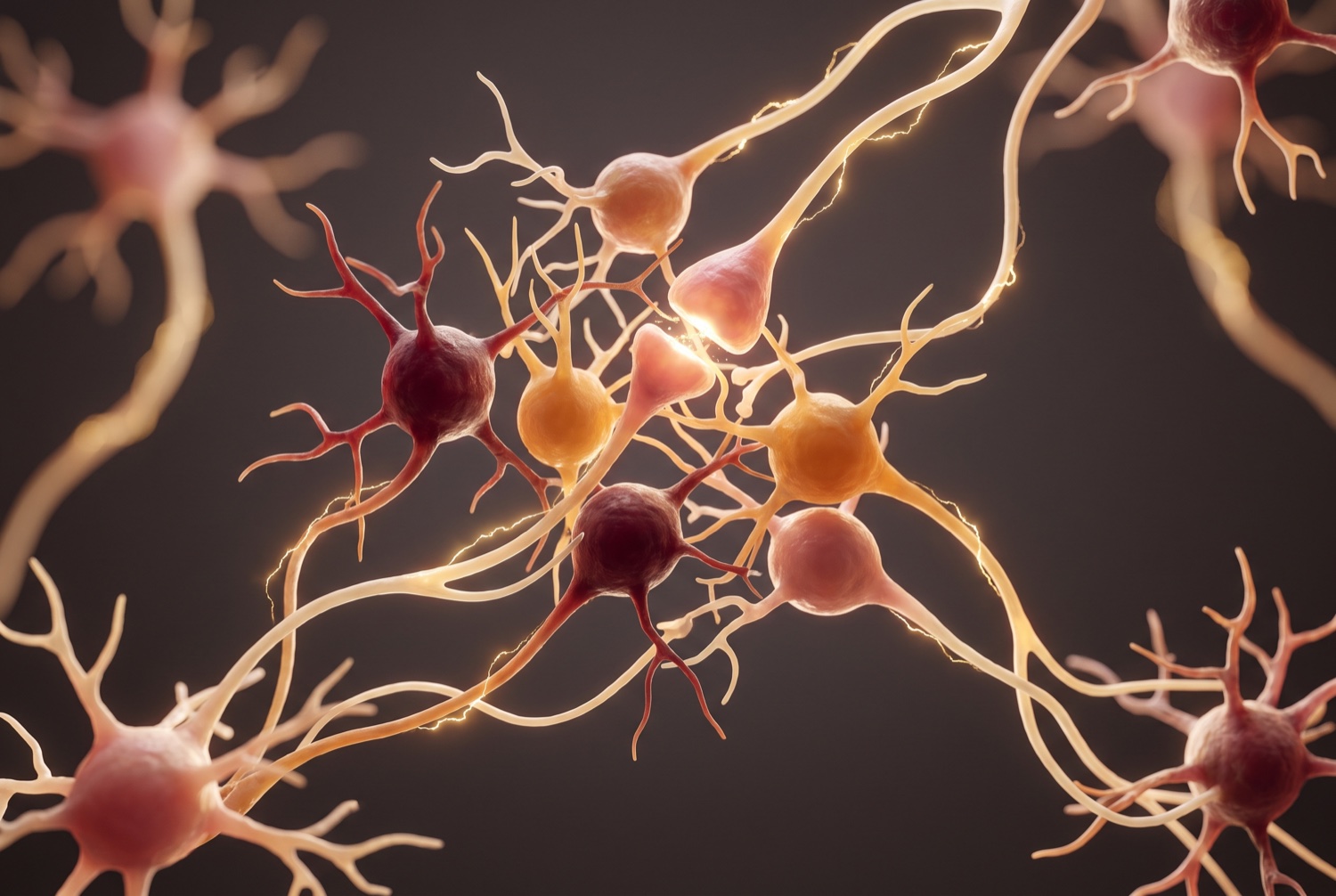
  4. After a stroke the brain compensates by recruiting alternative pathways and remapping the cortex. Non-invasive, precisely controlled stimulation accelerates this by raising excitability in the affected hemisphere and easing the maladaptive inhibition from the healthy side — supporting motor control in the arm and leg, and helping speech and language networks around the lesion recover. No implant, no surgery and no anaesthesia.

    3D visualisation of a neuron network
  5. Neurons recovering from a stroke face real metabolic strain, with compromised mitochondria and disrupted energy supply. Bioactive peptides, chosen for your metabolic profile, support cellular energy production, ease the spasticity that limits motor recovery and improve blood flow to the recovering tissue — helping you rebuild endurance and functional capacity in daily life.

    3D visualisation of a peptide molecule

What to expect, step by step.

It begins with a conversation, and no obligation. Here is how treatment takes shape.

01

Free medical review

A physician reviews your stroke type, imaging, neurological status, rehabilitation history and goals remotely. No cost, no obligation.

02

Eligibility & plan

The medical board studies your documents, including your CT or MRI, and tells you honestly whether we can help — then designs your protocol.

03

Laboratory preparation

Your cells are collected, prepared and quality-tested in our own laboratory, with full traceability. About 2–3 weeks.

04

Treatment in Budapest

Delivered by infusion or targeted administration under medical supervision. We arrange your flights, transfers and accommodation.

05

Supervised rehabilitation

A specialist neurorehabilitation plan adapted to your deficits — motor, speech or cognitive — at the centre or remotely.

06

Long-term follow-up

A medical wristband, a dedicated coordinator and ongoing access for reassessment as things change.

Safety, and an honest word on expectations.

The treatment is well-tolerated by most post-stroke patients, and it begins in the subacute or chronic phase rather than the acute one. Mild, short-lived reactions can happen — brief fatigue, injection-site sensitivity, a low-grade temperature — and usually pass within a day or two. Before every session there is a final on-site assessment; if your status has changed, including your blood pressure, we adjust or postpone. We will only take your case when we believe we can realistically help.

Assessed individually before we proceed

  • Active infection or fever
  • Active cancer, or ongoing chemo- or radiotherapy
  • Severe heart or kidney failure
  • Pregnancy

These are standard contraindications. One alone does not automatically rule you out — each is weighed against your full clinical picture.

A patient receiving regenerative therapy in a calm treatment room, a clinician attending

The work continues after Budapest.

Recovery after a stroke is gradual, and the months that follow matter as much as the treatment. Cellular integration, new synapses and cortical reorganisation carry on for months. A medical wristband streams your data to our team, a rehabilitation specialist and a personal consultant stay in regular contact, and your protocol is adjusted as your recovery progresses.

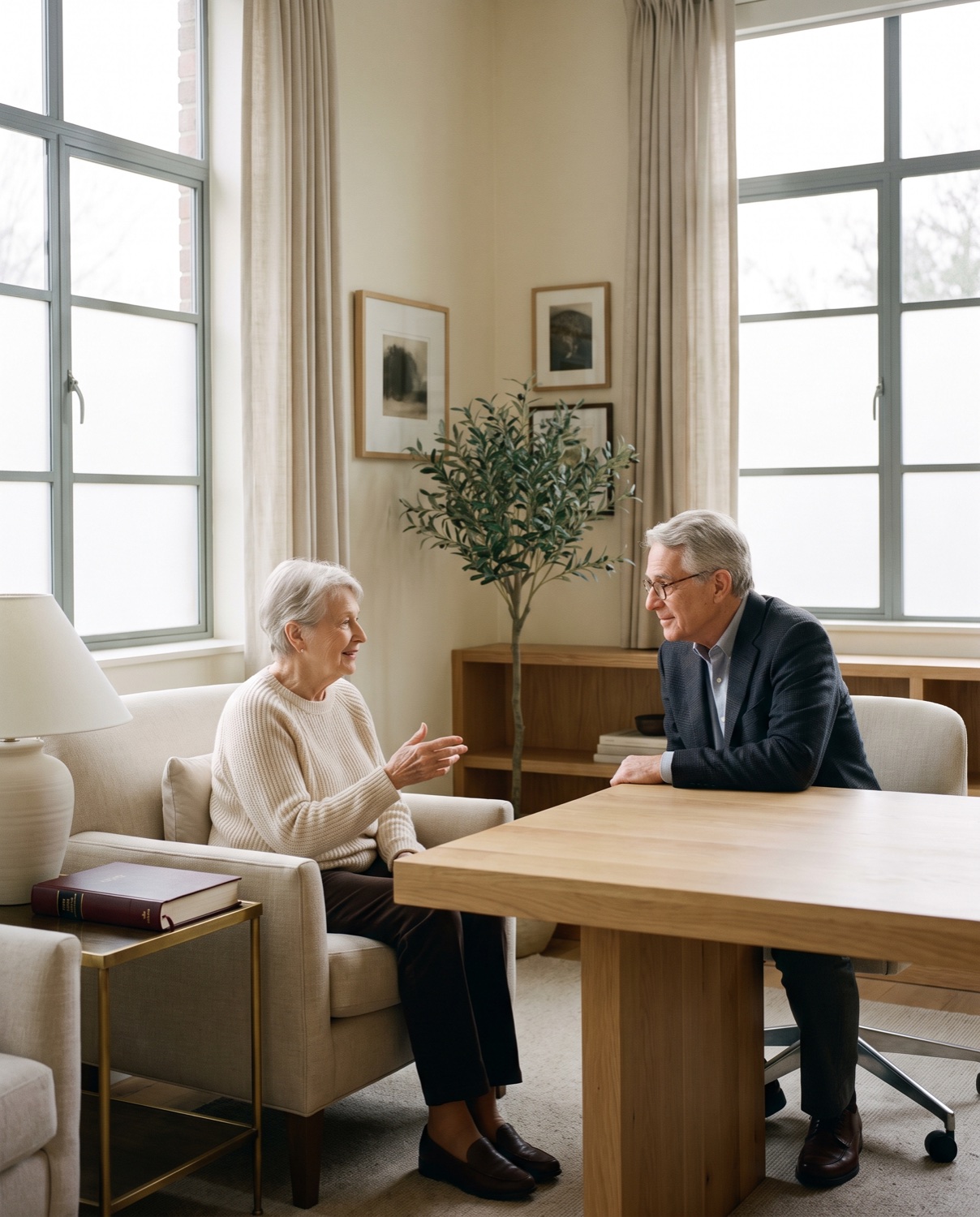
A patient and a member of the medical team in conversation at the institute

From our post-stroke patients and their families.

Fourteen months after the stroke his left side was useless. He could not lift his arm or hold a glass, and the neurologist in Rome said we should not expect recovery this late. It happened anyway. He feeds himself now, and this morning he buttoned his own shirt.
Daughter of a patient · Ischaemic stroke · Italy
My wife could not speak. Words came out wrong, or not at all. It came back gradually, and now she forms full sentences and holds a conversation. She still hunts for a word sometimes, but she can tell our children what she needs. That was not possible before.
Husband of a patient · Ischaemic stroke · Spain
My stroke was at 52. Seven months of rehab and I was still dragging my right leg. After the programme I noticed my foot clearing the ground properly, and within a few months I was walking outdoors without the brace. Getting my independent life back was my only goal.
Patient · Ischaemic stroke · Germany
His hand would not open. The spasticity was that severe. After treatment the tone began to soften, and he can hold objects again. He has started writing, slowly, and the improvement has not stopped.
Wife of a patient · Haemorrhagic stroke · Austria
A brain stem stroke left my mother with double vision, trouble swallowing and poor balance. We were told to expect little further improvement. Her swallowing is far safer now, she walks with one cane instead of two, and the double vision has eased. She lives at home with little help, which felt unthinkable three months ago.
Son of a patient · Brain stem stroke · Mexico
They were honest that recovery would be gradual, and it was. My balance steadied, the weakness in my arm eased, and I went back to cooking for the family and taking short walks alone. I have my days back in a way I had stopped expecting.
Patient · Ischaemic stroke · Italy

Every case is different. Request a review to talk through yours with our medical team.
Request a medical review for stroke recovery.

Send us your diagnosis and we will review it. A medical advisor will be in touch — and will stay with you through the whole treatment as your direct line to the medical team. Free, and no obligation.

By submitting this form, you consent to Caplan processing your personal data for the purpose of medical consultation in accordance with applicable data protection regulations.

The evidence we build on.

Our approach draws on published, peer-reviewed research into cell and regenerative therapy for stroke. A selection of the studies that inform it:

These studies inform our protocol. They report findings from research populations, and every patient's response is different. We assess what they mean for your case individually.

  1. Safety and Efficacy of Multipotent Adult Progenitor Cells in Acute Ischaemic Stroke (MASTERS): A Randomised, Double-Blind, Placebo-Controlled, Phase 2 TrialPubMed 28320635
  2. Allogeneic Stem Cell Therapy for Acute Ischemic Stroke: The Phase 2/3 TREASURE Randomized Clinical TrialPMC10792497
  3. Phase I/II Study of Safety and Preliminary Efficacy of Intravenous Allogeneic Mesenchymal Stem Cells in Chronic StrokePubMed 31495331
  4. Mesenchymal Stem Cell Therapy in Ischemic Stroke Trials: A Systematic ReviewPMC11021793
  5. Cellular and Exosome-based Therapies in Neuroinflammatory Syndromes (NCT07145502)ClinicalTrials NCT07145502