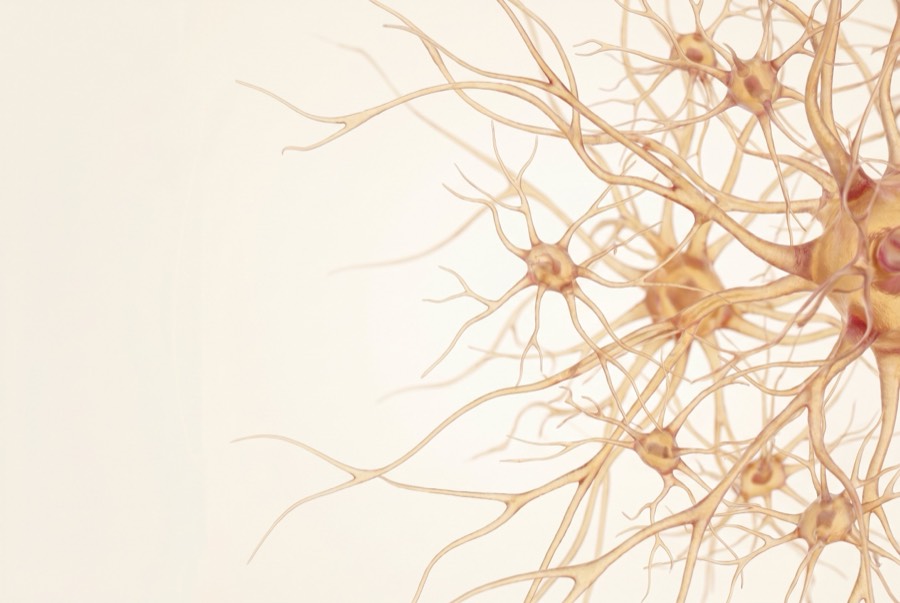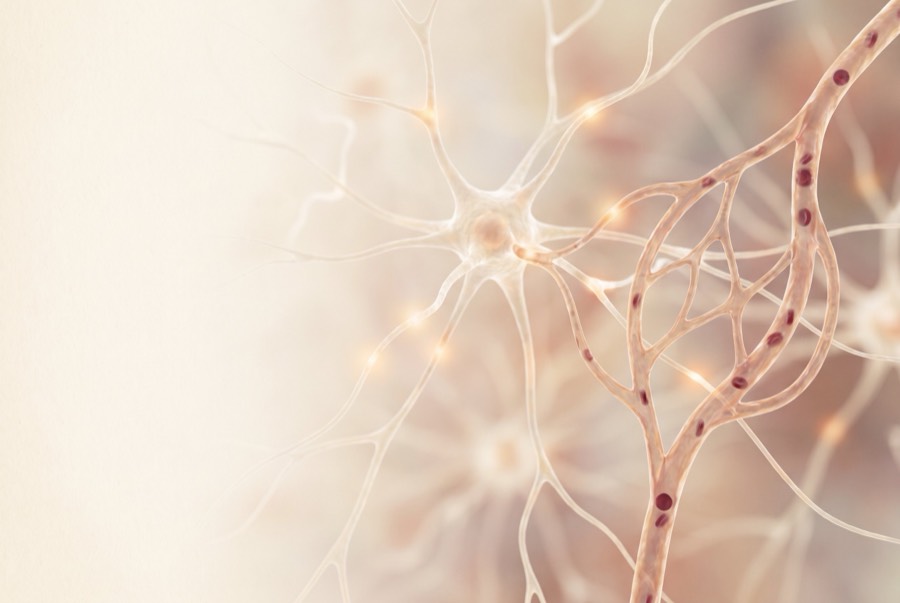


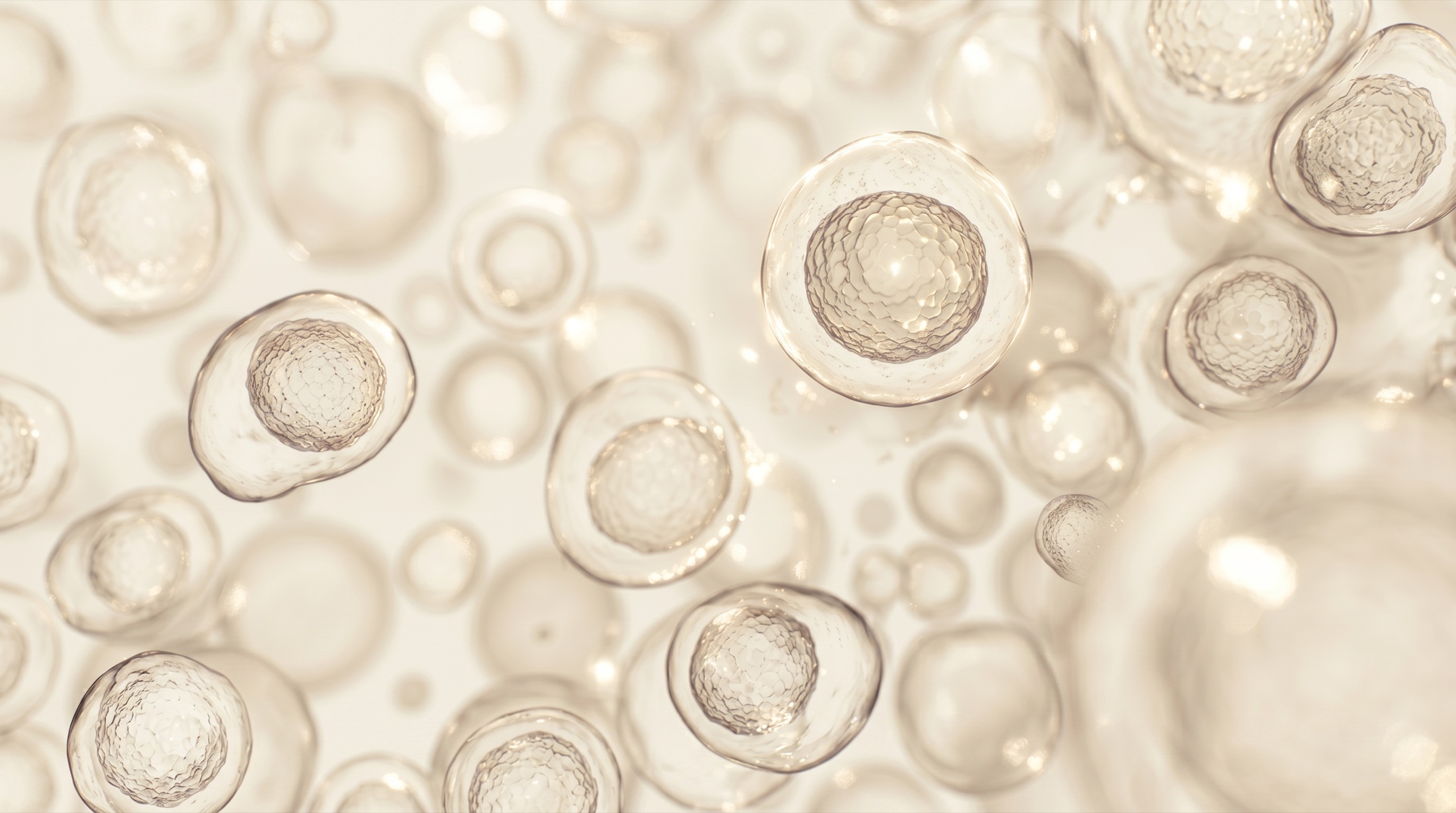
A scientific visualisation of human motor neurons, the cells affected in ALS

Amyotrophic lateral sclerosis · also MND / Lou Gehrig's disease

Halting the course of ALS

ALS gradually takes movement, speech and breathing. Our treatment targets the biology driving it — to halt the progression and improve daily life, so you keep more of your strength and independence. Every plan is built around your diagnosis and stage.

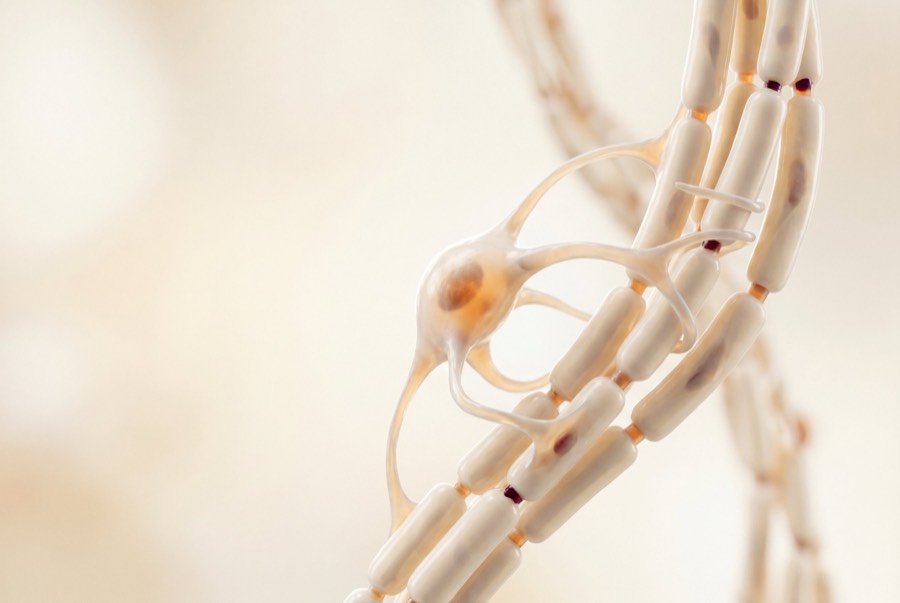
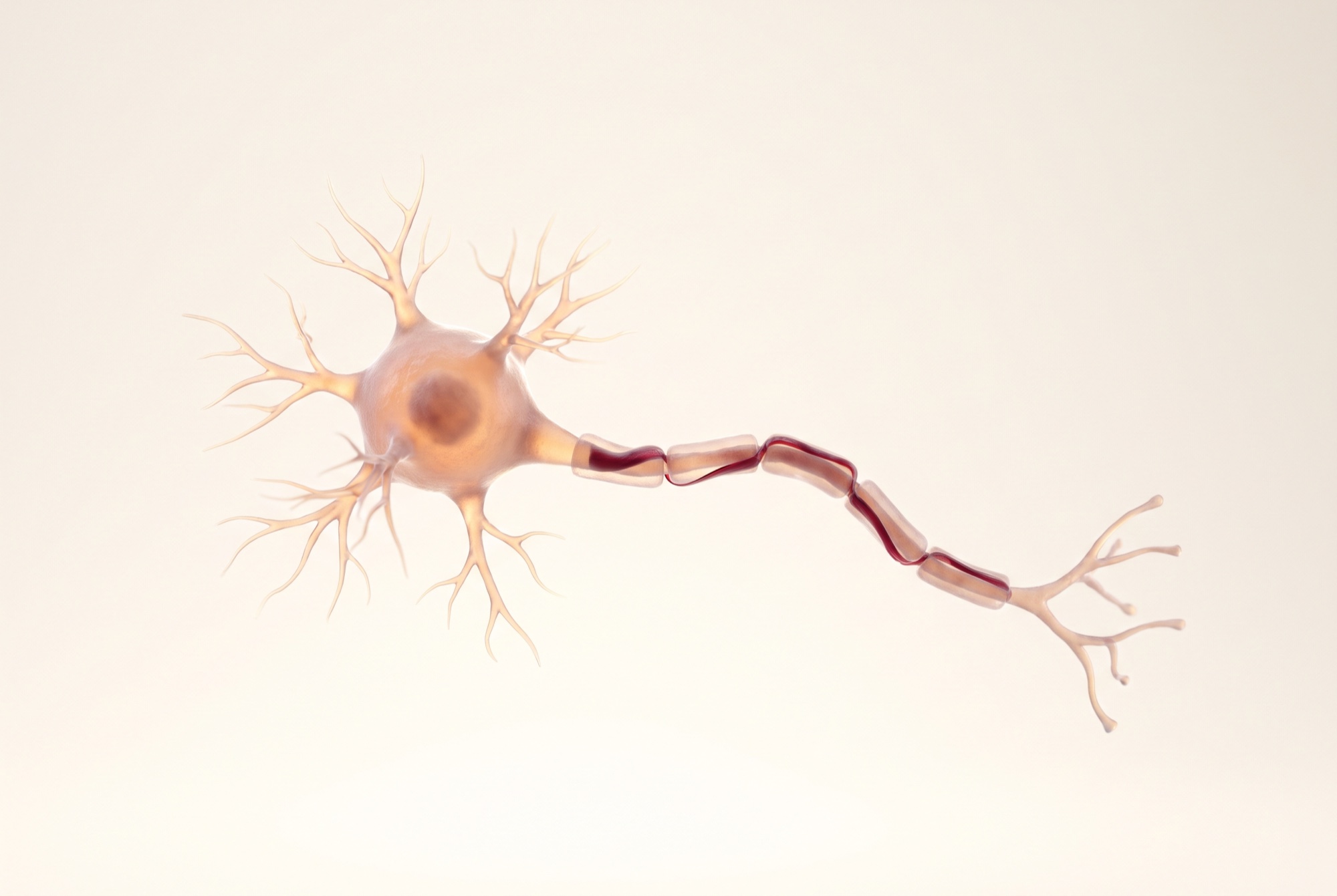
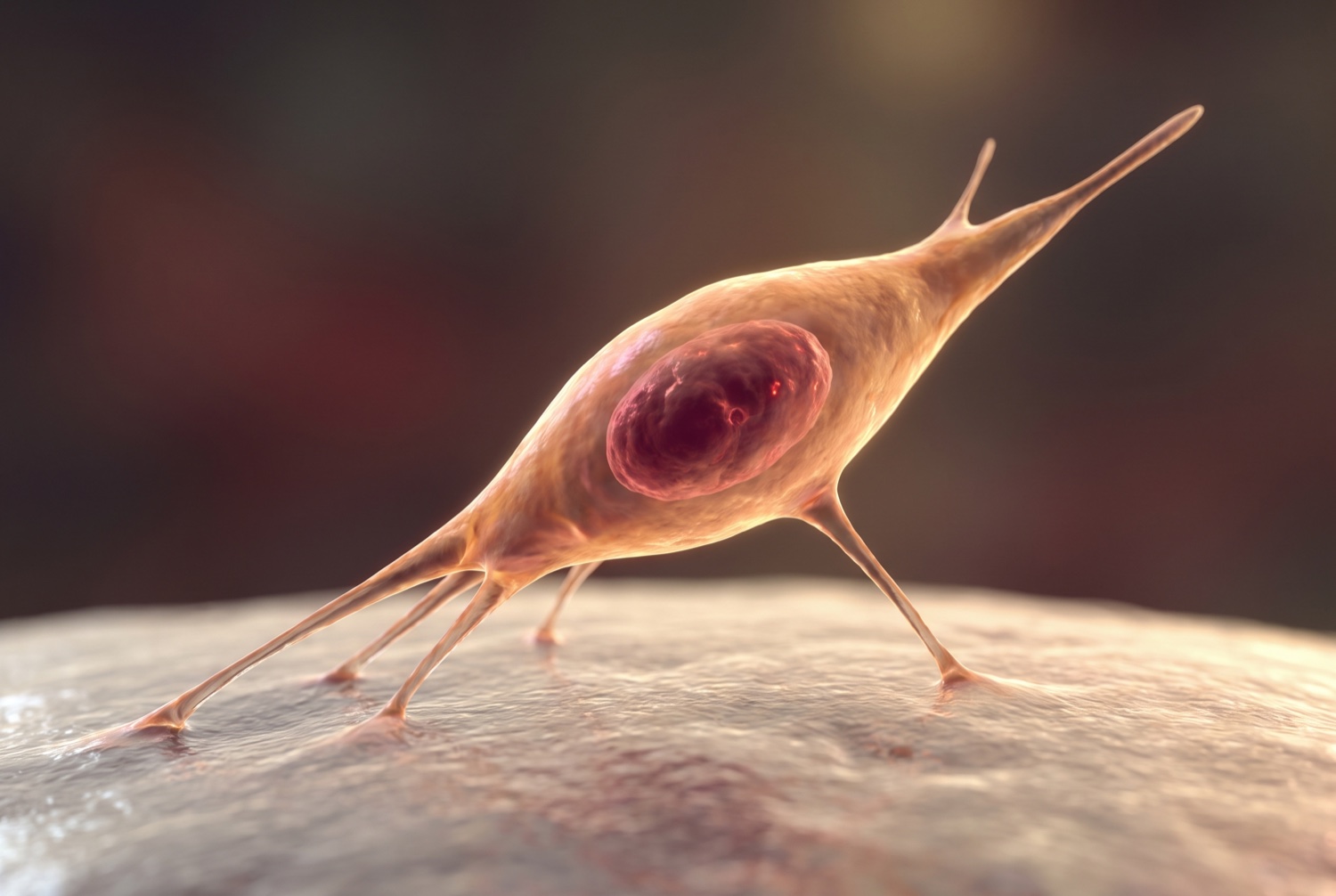
A scientific visualisation of a single human motor neuron

What ALS is, in plain terms.

ALS is a progressive disease of the motor neurons — the nerve cells that carry signals from the brain to the muscles. As they fail, the body gradually loses movement, speech, swallowing and breathing. Standard medication eases symptoms but does not change the process underneath. That underlying biology — inflammation, immune attack and cellular stress — is what our treatment is built to address.

  • Sporadic ~90% of cases
  • Familial 5–10%, inherited
  • Limb-onset ~70%, starts in an arm or leg
  • Bulbar-onset ~25%, speech & swallowing first

What the treatment works to protect.

We do not promise a cure. What we work for is to stop the disease advancing and improve daily life — holding on to the functions ALS takes first, so more of each day stays in your hands.

  • Movement Walking, balance and transfers, kept for longer.
  • Strength Holding on to strength and fine motor control.
  • Speech & swallowing Protecting bulbar function — speaking and eating safely.
  • Breathing Supporting respiratory function and daily stamina.
  • Independence Staying independent in everyday tasks for as long as possible.
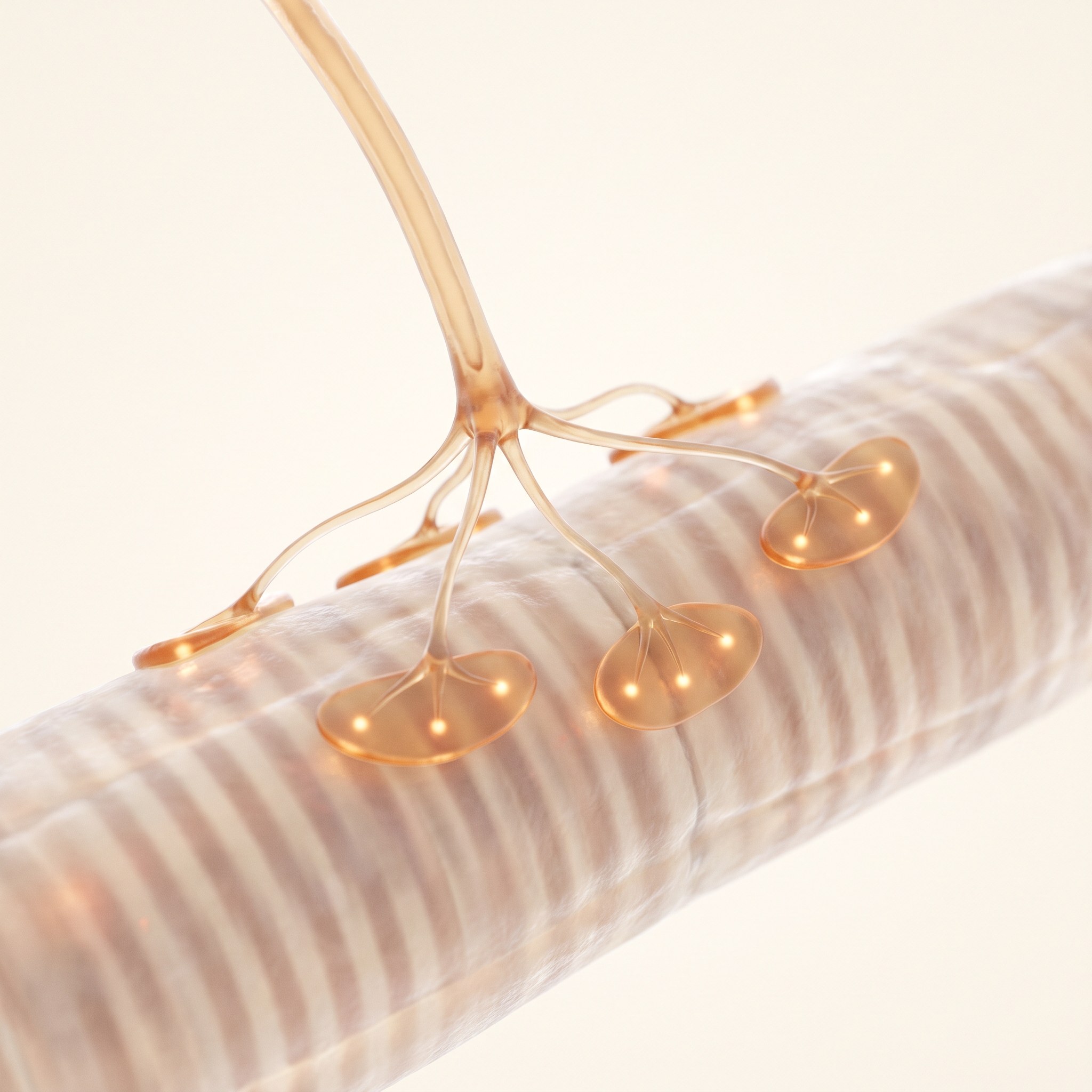
A 3D scientific visualisation of a neuromuscular junction — the terminals of a motor neuron's axon meeting a striated muscle fibre, the nerve-to-muscle connection lost in ALS

What our ALS patients report.

A registry of what people with ALS have reported since 2019, measured at follow-up and shown as it is. Across the 87 people with ALS we have supported, improvement in at least one area is common — but outcomes vary from person to person, and an average is never a promise.

Share of ALS patients reporting a meaningful improvement · 87 patients, since 2019

  • Walking, balance and mobility82%
  • Muscle strength and motor control80%
  • Breathing and endurance81%
  • Independence in daily tasks79%
  • Speech and swallowing76%
  • Overall quality of life84%
3 years

Average time disease progression is held back across our ALS patients.

Every result is individual — it depends on the stage of the disease and on your body's own biology.

How we treat ALS.

No two protocols are the same. A medical board builds your plan from up to five biological components — combined, sequenced and dosed for your diagnosis and stage. Each works on a different driver of ALS, and together they aim to stop the disease advancing and improve how you function day to day.

  • Non-surgical — no general anaesthesia, which matters when breathing is affected
  • Works alongside riluzole and your existing medication
  • No rejection risk and no immunosuppression
  • Targets the biology of ALS, not only the symptoms
  1. In ALS the immune system turns on the motor neurons and speeds their loss. T-regulatory cells calm that attack and rebuild a balanced immune environment — without the blanket immunosuppression that would leave you exposed to infection — so the disease is held back. They are prepared from your own blood, or from a certified donor. This is the component we lead with in ALS.

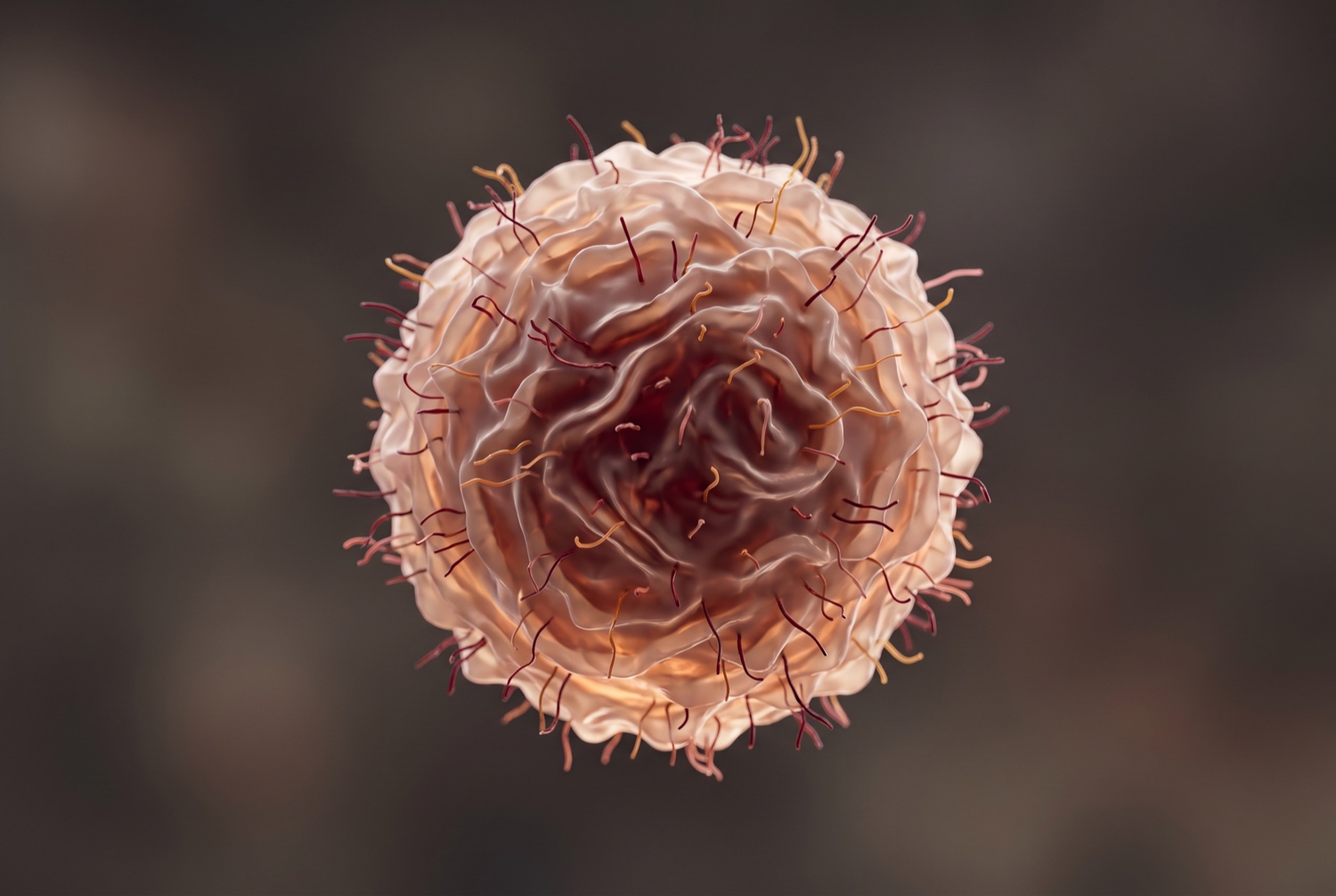
    3D visualisation of a T-regulatory immune cell
  2. Multipotent cells that quiet the inflammation around the motor neurons and protect those that remain from further loss, creating the conditions for repair. They carry almost no rejection markers, so they can be used without immunosuppression, whether drawn from your own bone marrow or a matched donor.

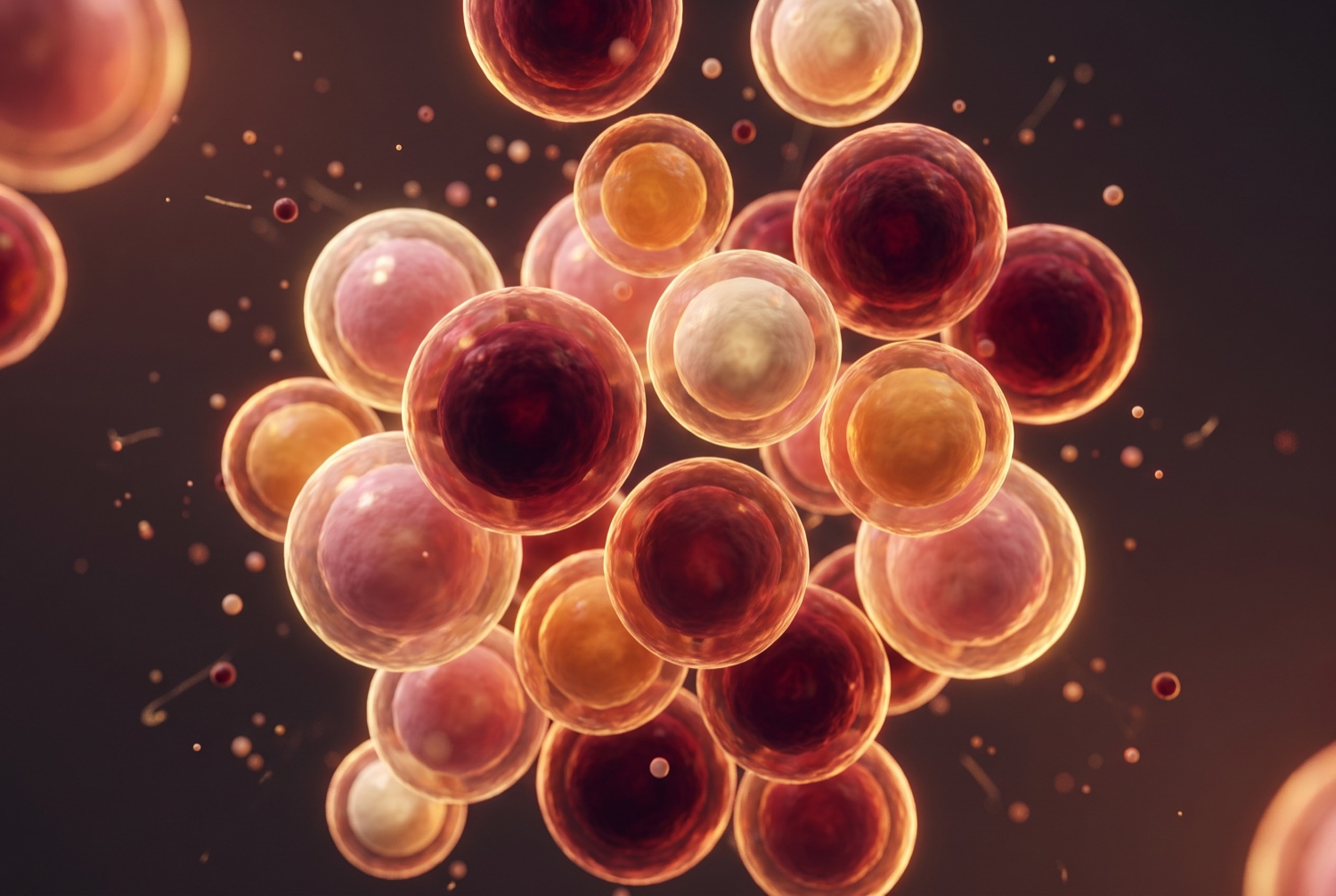
    3D visualisation of a mesenchymal stem cell
  3. Nanoscale vesicles that carry growth factors and repair signals across the blood–brain barrier into the brain and spinal cord — reaching the motor-neuron regions that whole cells struggle to. They extend the treatment's reach to where ALS does its damage.

    3D visualisation of exosome vesicles
  4. Non-invasive electrical stimulation of the motor circuits in the brain and spinal cord, calibrated to your condition. Low-intensity currents help retune how those circuits fire. There is no implant, no surgery and no anaesthesia — important when respiratory function is compromised.

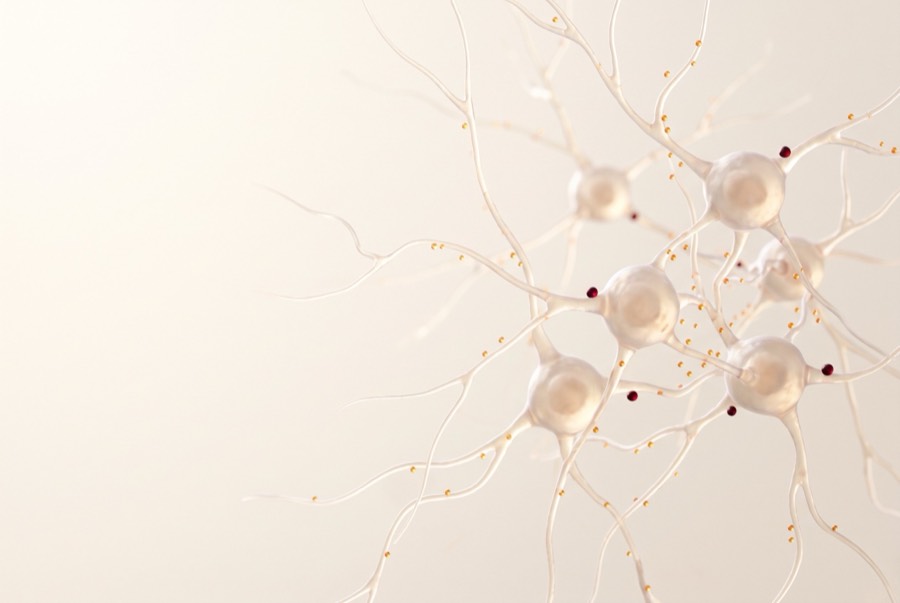
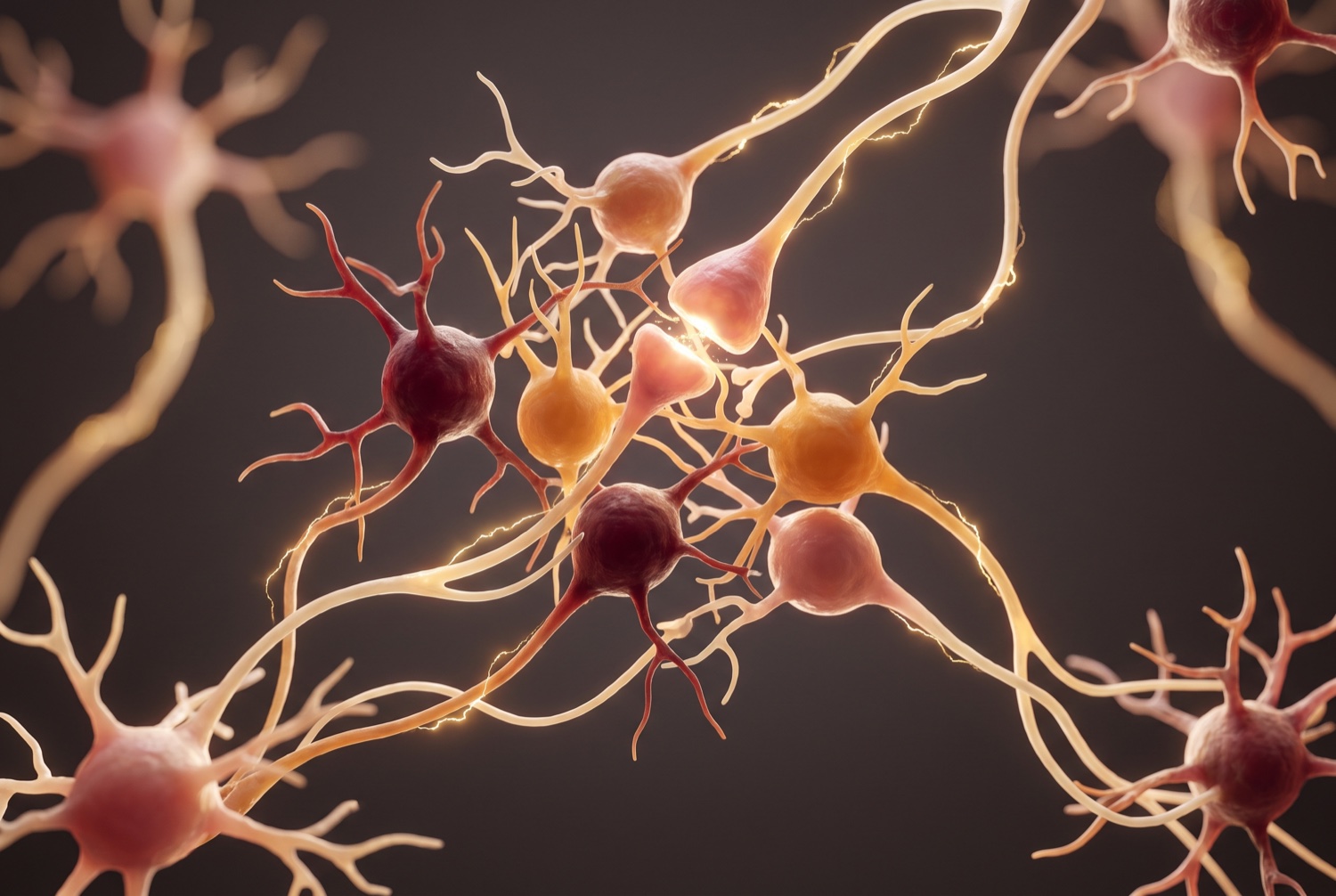
    3D visualisation of a neuron network
  5. Bioactive peptides, chosen for your metabolic profile, that target the mitochondrial and inflammatory stress that leaves motor neurons vulnerable — and keep your cells supplied with the energy the rest of the treatment depends on.

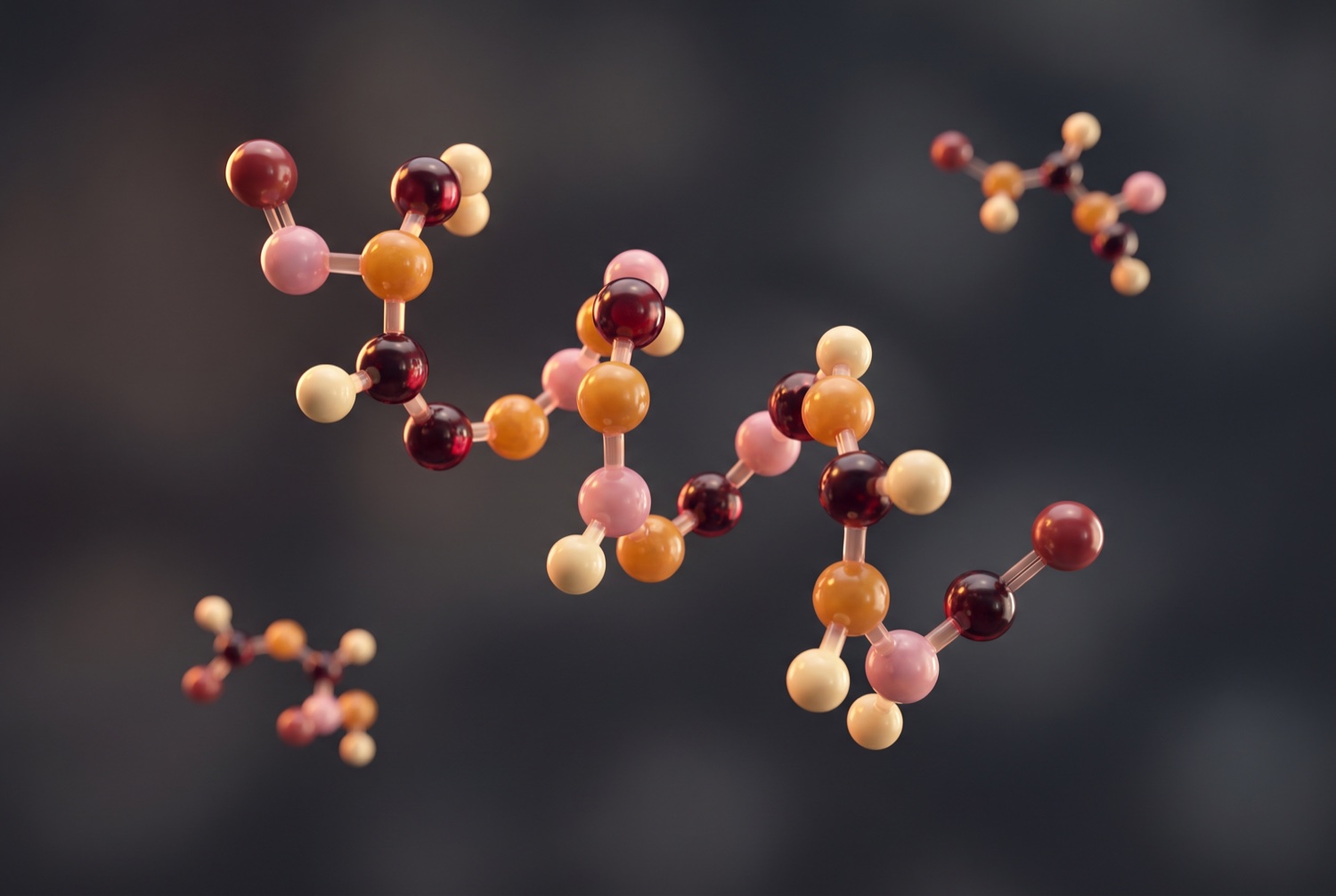
    3D visualisation of a peptide molecule

What to expect, step by step.

It begins with a conversation, and no obligation. Here is how treatment takes shape.

01

Free medical review

A physician reviews your diagnosis, history and goals remotely. No cost, no obligation.

02

Eligibility & plan

The medical board studies your documents and tells you honestly whether we can help — then designs your protocol.

03

Laboratory preparation

Your cells are collected, prepared and quality-tested in our own laboratory, with full traceability. About 2–3 weeks.

04

Treatment in Budapest

Administered under medical supervision. We arrange your flights, transfers and accommodation.

05

Supervised rehabilitation

A specialist rehabilitation plan adapted to your motor and respiratory status, at the centre or remotely.

06

Long-term follow-up

A medical wristband, a dedicated coordinator and ongoing access for reassessment as things change.

Safety, and an honest word on expectations.

The treatment is well-tolerated by most ALS patients. Mild, short-lived reactions can happen — fatigue, a low-grade temperature, local discomfort — and usually pass within a day or two. Before every session there is a final on-site assessment; if your breathing has changed, we modify or postpone. We will only take your case when we believe we can realistically help.

Assessed individually before we proceed

  • Active infection or fever
  • Active cancer, or ongoing chemo- or radiotherapy
  • Severe heart or kidney failure
  • Pregnancy

These are standard contraindications. One alone does not automatically rule you out — each is weighed against your full clinical picture.

A patient receiving regenerative therapy in a calm treatment room, a clinician attending

The work continues after Budapest.

In a degenerative disease, the months after treatment matter as much as the treatment. A medical wristband streams your data to our team, a rehabilitation specialist and a personal consultant stay in regular contact, and your protocol is adjusted as your needs change.

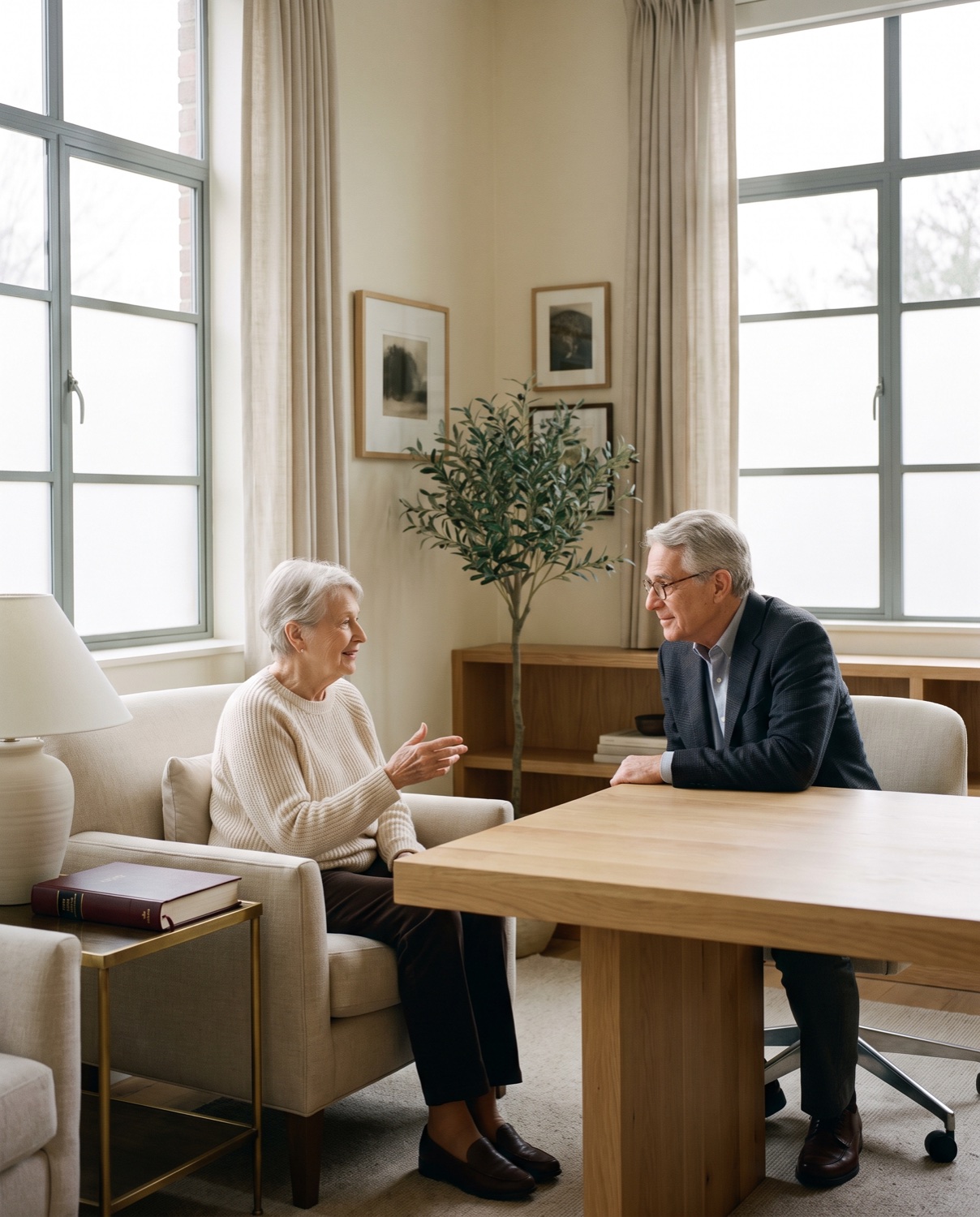
A patient and a member of the medical team in conversation at the institute

From our ALS patients and their families.

A year ago my husband had stopped going out. It did not reverse — we never expected that — but the decline stopped, and the small things came back: he is steadier on his feet, his speech is clearer, and we have our evenings again.
Wife of a patient · ALS · Italy
I am honest about what ALS is — it does not reverse. But my breathing has held steady for over a year and I still feed myself and type. They told me plainly what was realistic, then helped me keep it far longer than I had been warned.
Patient · ALS / MND · United Kingdom
The weakness reached my hands first and I was losing my grip on a fork. Eighteen months on I still eat on my own and write short notes to my grandchildren. It is slower than it was, but the hands are still mine.
Patient · ALS · Italy
My father's speech had begun to slur and we were bracing for the worst. It has not slipped the way the neurologist warned. He still reads to my daughter at bedtime, and for us that is everything.
Son of a patient · ALS · Germany
The fatigue used to finish my day by lunchtime. Now I get through the morning in the garden and rest only in the afternoon. My breathing tests have held level for fourteen months — something no one had promised me.
Patient · ALS · Switzerland
We came knowing there was no cure, and they never pretended otherwise. What changed is the pace. A year on he still moves to his chair on his own and sits with us at the table for every meal.
Wife of a patient · Motor neurone disease (MND) · Spain
My mother was frightened of choking and had almost stopped eating with us. Her swallowing is safer now and she has put some weight back on. Last Sunday she sat through the whole family lunch, talking the entire time.
Daughter of a patient · ALS · Italy

Every case is different. Request a review to talk through yours with our medical team.
Request a medical review for ALS.

Send us your diagnosis and we will review it. A medical advisor will be in touch — and will stay with you through the whole treatment as your direct line to the medical team. Free, and no obligation.

By submitting this form, you consent to Caplan processing your personal data for the purpose of medical consultation in accordance with applicable data protection regulations.

The evidence we build on.

Our approach draws on published, peer-reviewed research into cell and regenerative therapy for ALS. A selection of the studies that inform it:

These studies inform our protocol. They report findings from research populations, and every patient's response is different. We assess what they mean for your case individually.

  1. Repeated intrathecal mesenchymal stem cell transplantation in ALS — clinical studyPubMed 30048006
  2. Phase II trial of repeated intrathecal autologous MSCs in ALSPubMed 34719198
  3. Optimising autologous bone-marrow MSC therapy for ALSPubMed 38244235
  4. Stem-cell therapy for ALS — a review of the evidencePubMed 26558293