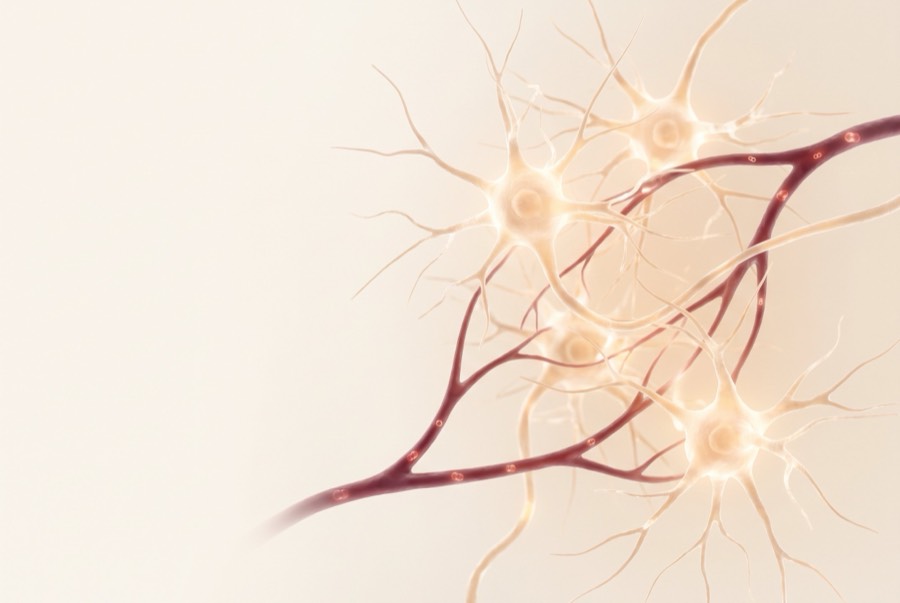
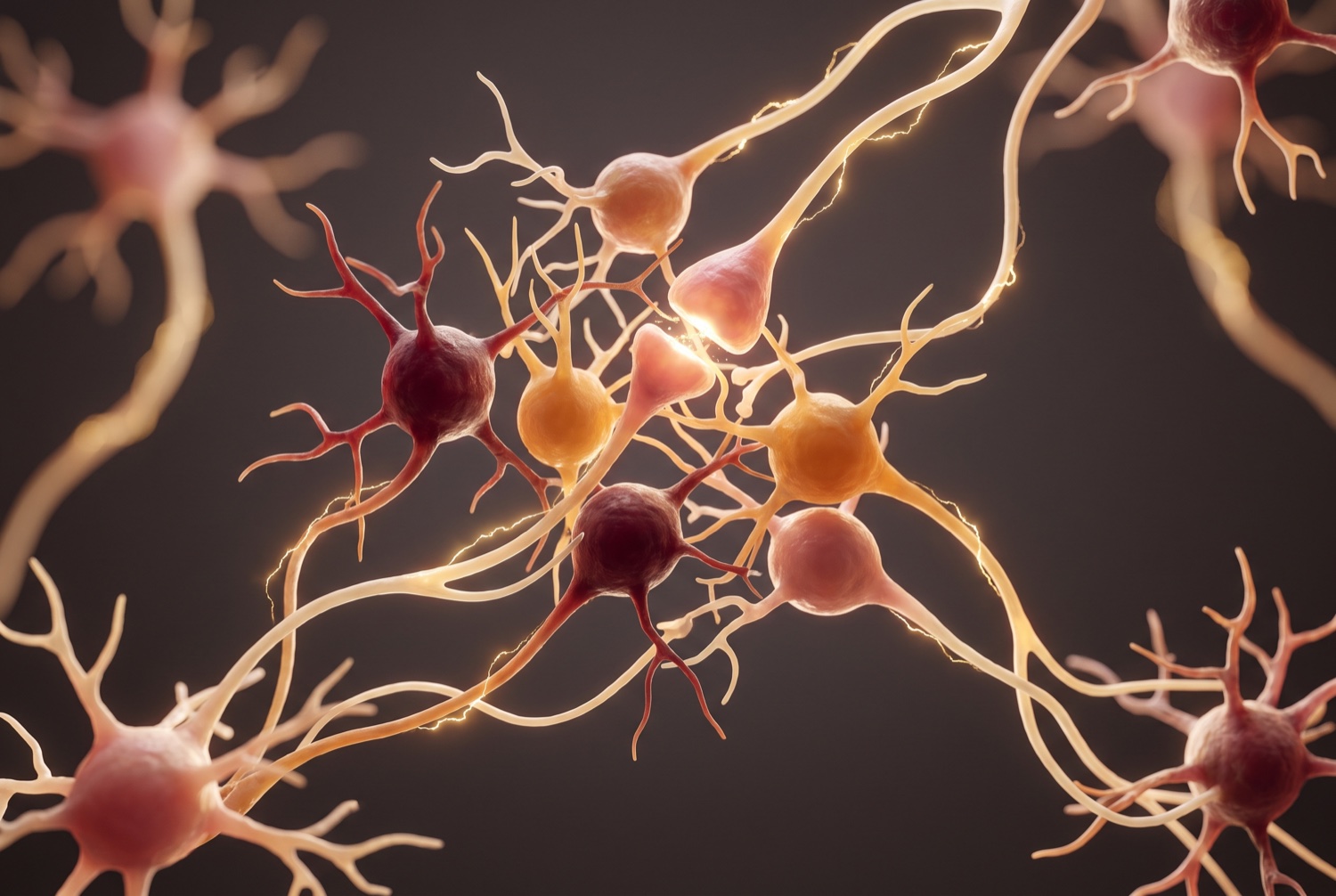
A scientific visualisation of developing young neurons forming new connections

Cerebral palsy · spastic · dyskinetic · ataxic — all GMFCS levels

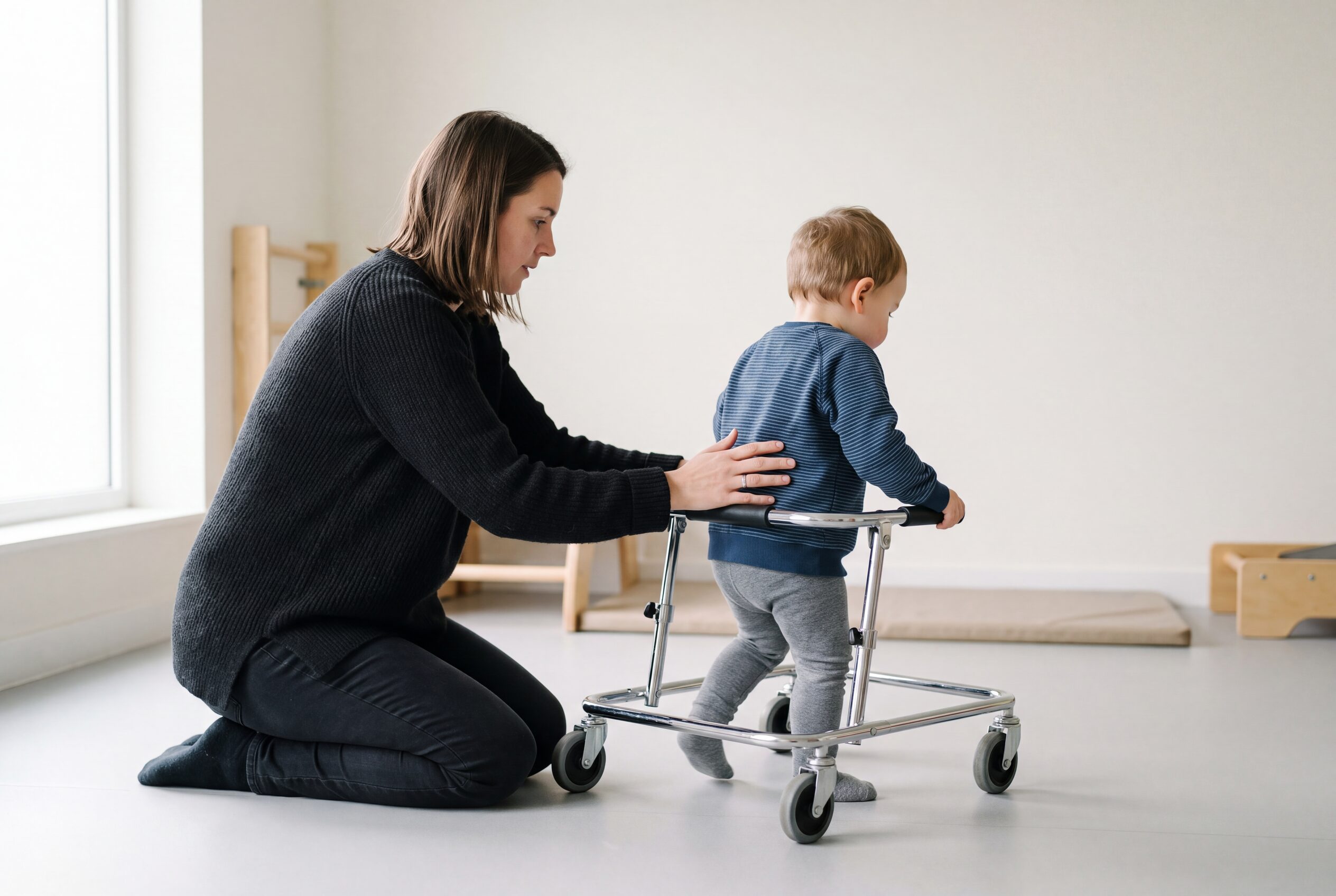
Helping your child move and grow

Cerebral palsy makes movement harder and can hold back a child's development. Our treatment works on the biology behind it — easing the inflammation and stiffness that limit progress, and supporting the developing brain so rehabilitation reaches further. Every plan is built around your child's subtype, age and level.

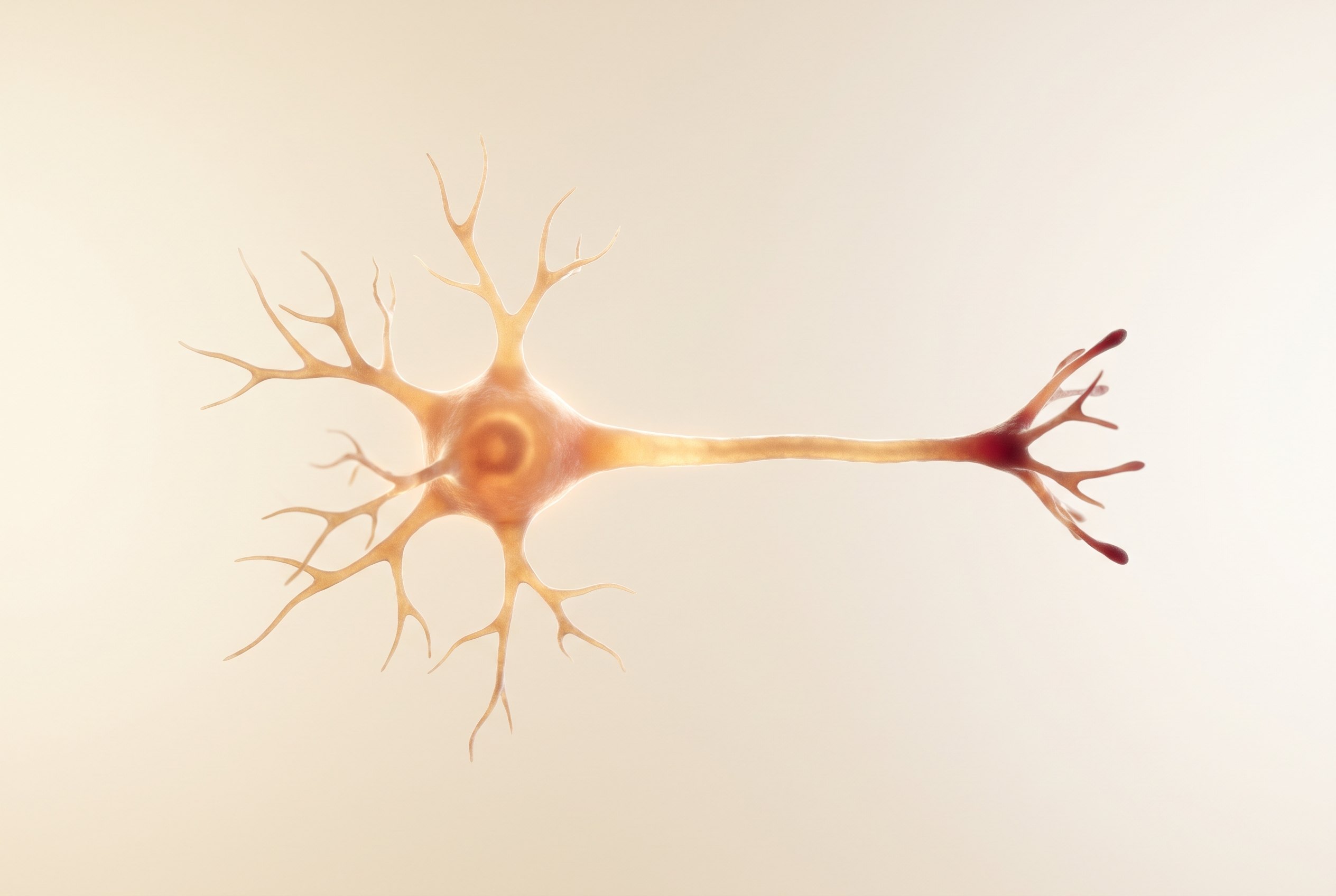
A scientific visualisation of a single developing neuron with a growth cone

What cerebral palsy is, in plain terms.

Cerebral palsy comes from an injury to a baby's developing brain, usually before, during or soon after birth. The injury itself does not get worse, but its effects on movement do change as a child grows: stiff or uncontrolled muscles, problems with balance and posture, and difficulty with fine motor tasks. Physiotherapy, orthotics and botulinum toxin help manage these symptoms. Our treatment works on what those approaches cannot reach — the lingering inflammation and interrupted connections left behind by the original injury.

  • Spastic ~70–80%, stiff muscles & tone
  • Dyskinetic ~10–15%, involuntary movement
  • Ataxic ~5%, balance & coordination
  • Mixed features of more than one form

What the treatment works to support.

We do not promise a cure. What we work for is to ease the things cerebral palsy makes hard and to give your child's development more room — steadier movement, softer muscle tone and more of daily life within their own reach.

  • Gross motor & mobility Sitting, standing, walking and moving between them, developed further.
  • Muscle tone & spasticity Softening stiffness and giving joints a fuller range of movement.
  • Hand function & fine motor Reaching, grasping and handling objects with more control.
  • Posture & balance Head and trunk control, and steadier balance while sitting or standing.
  • Communication & independence Clearer speech and more of daily life managed on their own.
A 3D scientific visualisation of a young motor-pathway axon gaining early myelin — the insulation that helps a child's movement signals travel

What families of our CP patients report.

A registry of what families have told us since 2019, measured at follow-up and shown as it is. Across the 73 children with cerebral palsy we have supported, improvement in at least one area is common — but every child develops differently, and an average is never a promise.

Share of CP patients reporting a meaningful improvement · 73 children, since 2019

  • Gross motor function and mobility80%
  • Postural control and trunk stability79%
  • Spasticity and muscle tone77%
  • Hand function and fine motor control76%
  • Speech clarity and communication78%
  • Everyday independence and daily tasks81%
3 years

Average follow-up over which families report their child's functional gains have held.

Every result is individual — it depends on your child's CP subtype, GMFCS level, age at treatment and their own biology.

How we treat cerebral palsy.

No two protocols are the same. A medical board builds your child's plan from up to five biological components — combined, sequenced and dosed for their subtype, age and level. Each works on a different driver of cerebral palsy, and together they aim to calm the residual inflammation, support the developing brain and help your child move and progress.

  • Delivered by infusion or targeted injection — no surgery and no general anaesthesia
  • Safe in children, with dosing adapted for age, weight and developmental stage
  • Runs alongside physiotherapy, speech therapy and any current medication, without interruption
  • Works on the brain's inflammation and connectivity, not only the muscles
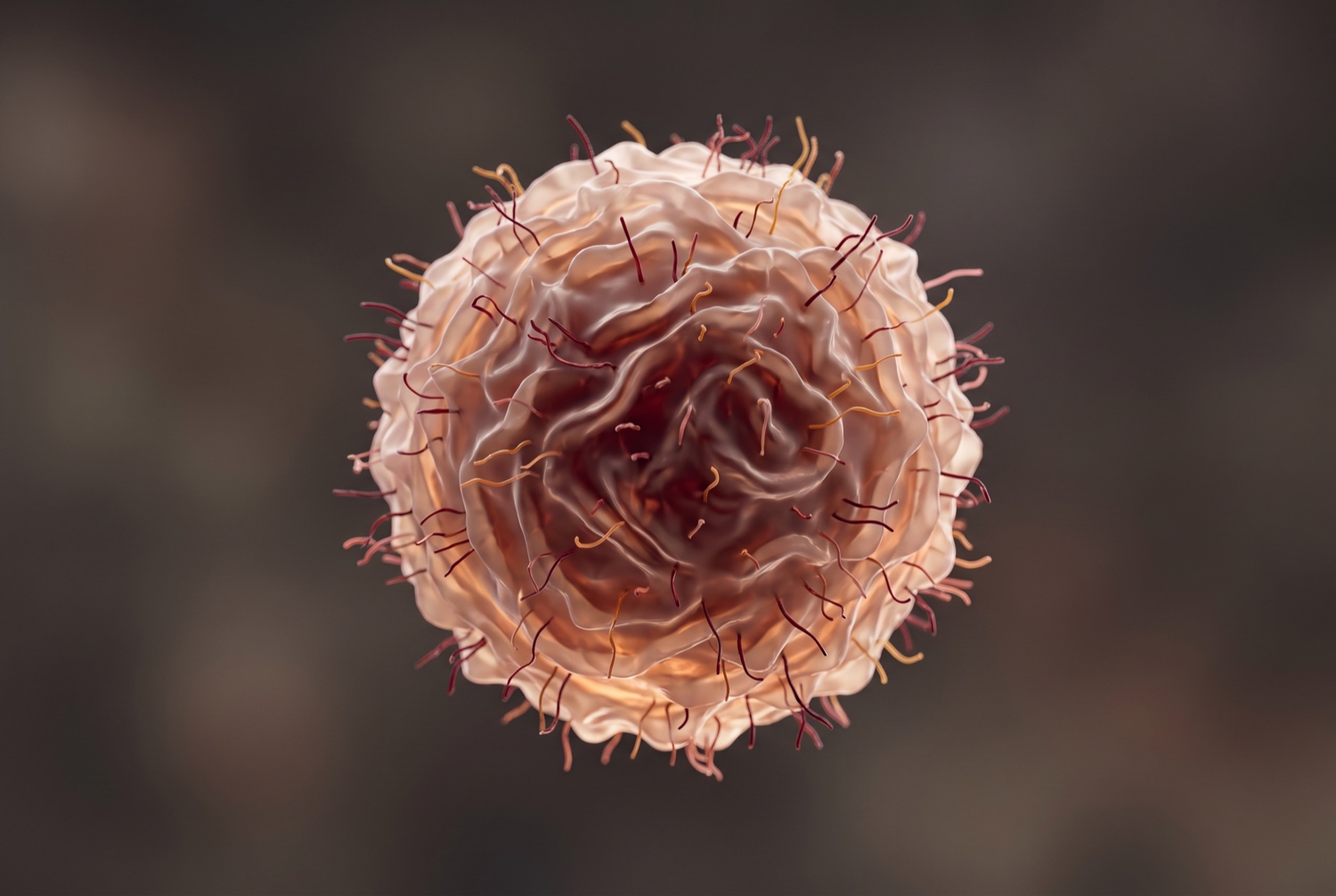
  1. In many children with cerebral palsy the immune system never fully settled after the original brain injury, leaving a low-grade inflammation that holds back myelination and the wiring of motor circuits. T-regulatory cells are the immune system's own off-switch for this reaction — they calm it without the blanket immunosuppression that would leave a child exposed, so motor pathways have room to form connections the inflammation had been blocking. Prepared from your child's own blood, or from a certified donor. This is the component we lead with in cerebral palsy.

    3D visualisation of a T-regulatory immune cell
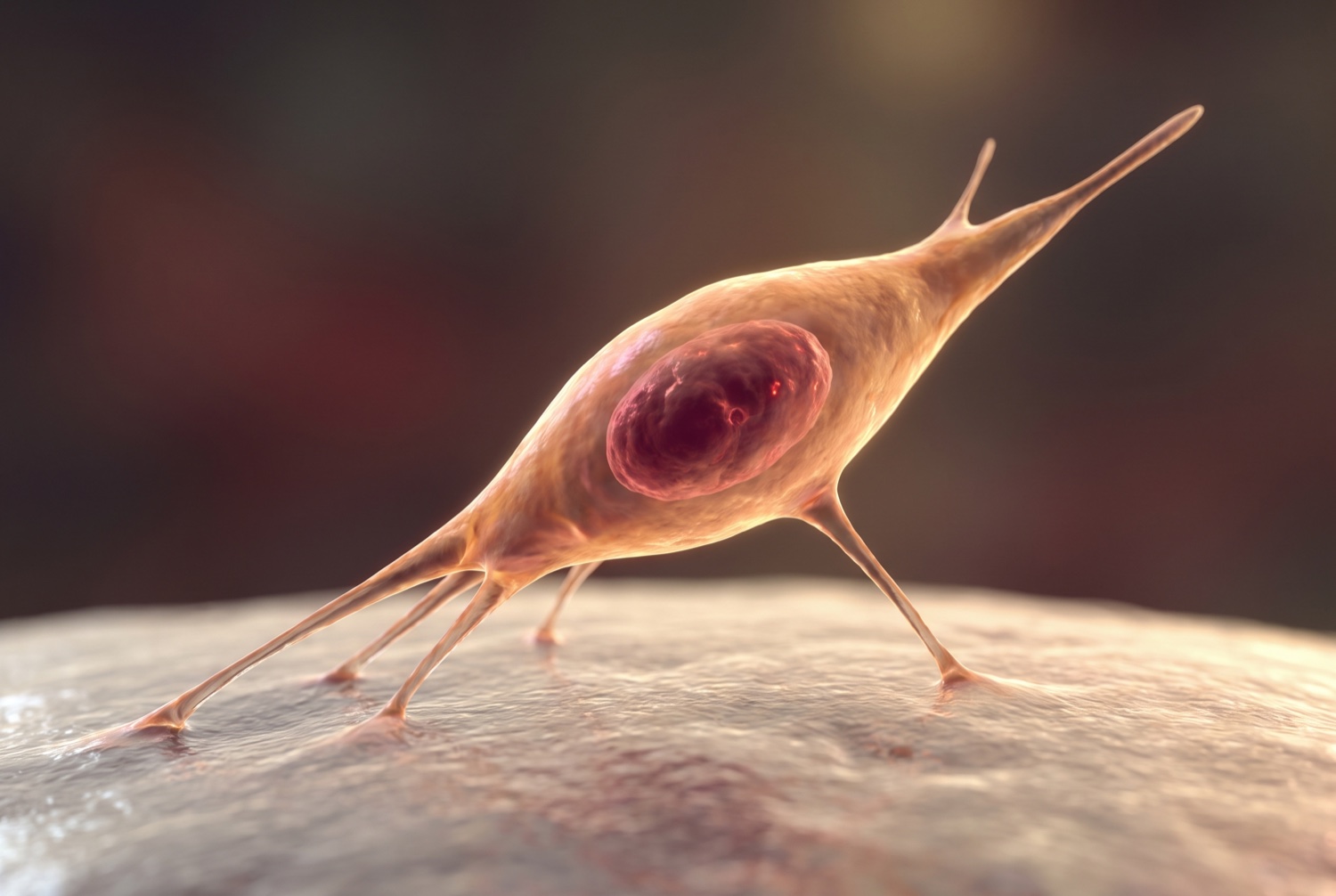
  2. The injury in cerebral palsy happened long ago, but the inflammation it triggered often lingers and quietens the brain's ability to form new connections. Multipotent mesenchymal cells calm that residual inflammation and the overactive microglia around it, protecting the neurons that remain and making the brain more ready to respond to rehabilitation. This is why many families notice that physiotherapy starts to reach further after treatment. They carry almost no rejection markers, so they can be used without immunosuppression, whether drawn from your child's own bone marrow or a matched donor.

    3D visualisation of a mesenchymal stem cell
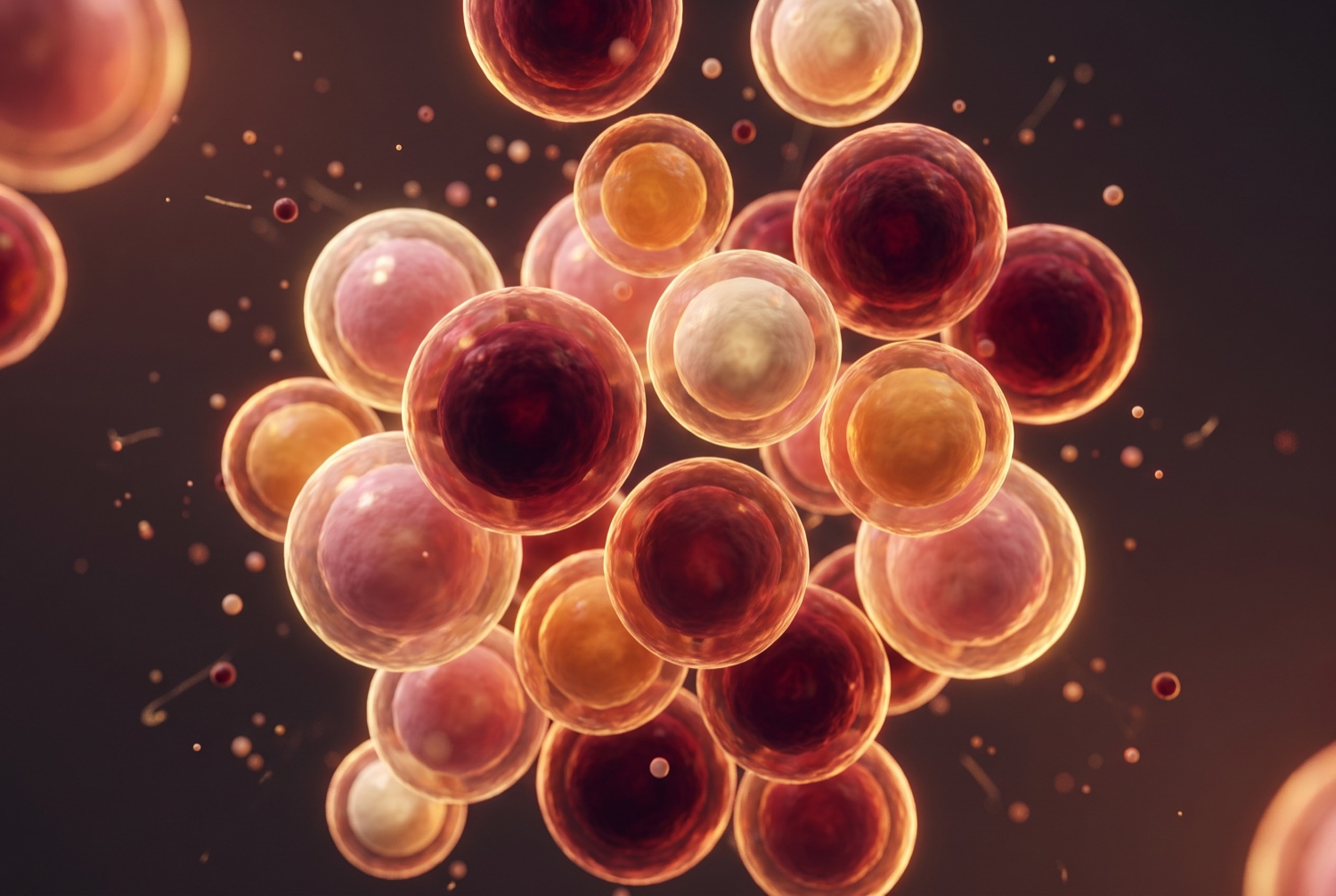
  3. In cerebral palsy the periventricular white matter is often affected, so movement signals struggle to travel — not because the neurons are lost, but because the myelin around their axons is damaged or underdeveloped. Exosomes are nanoscale vesicles that carry growth factors across the blood–brain barrier to these regions, supporting the myelination of developing motor pathways and the formation of new circuits. Nothing needs to be collected from your child, which is a real advantage in the youngest patients.

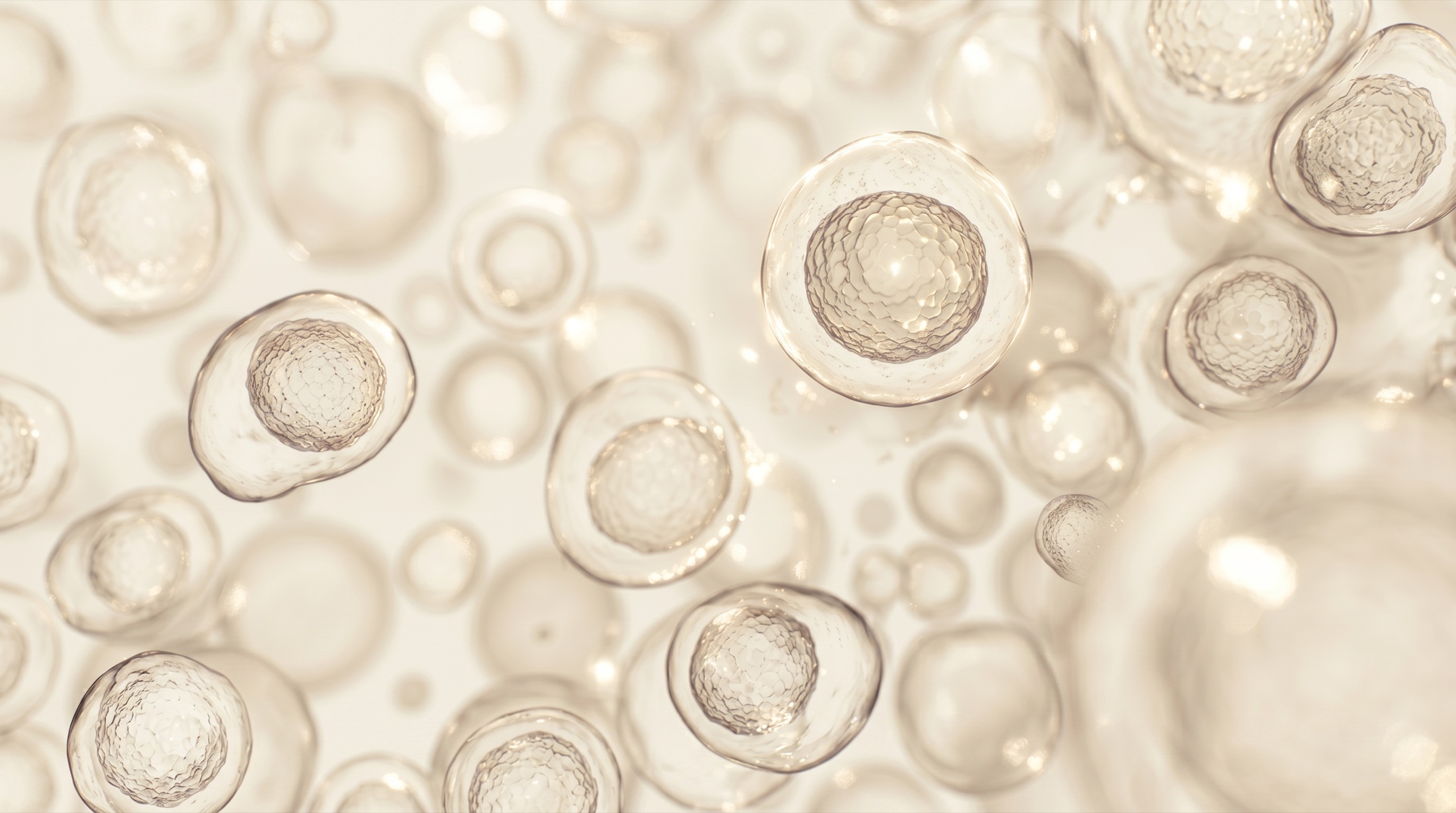
    3D visualisation of exosome vesicles
  4. Spasticity in cerebral palsy begins in the brain's motor circuits, not in the muscles themselves. Gentle, non-invasive electrical stimulation, calibrated to your child's subtype and dominant deficits, helps those circuits recalibrate — easing hypertonia, widening range of movement and improving the coordination behind gait and posture. Paediatric sessions are set up for comfort. There is no implant, no surgery and no anaesthesia.

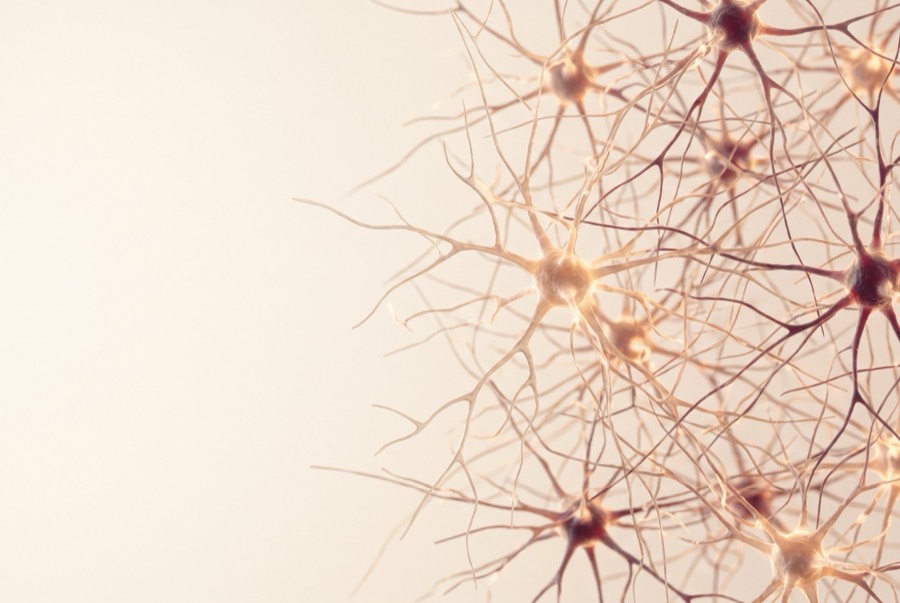
    3D visualisation of a neuron network
  5. The brain regions affected in cerebral palsy work under chronic metabolic stress, since their support networks are compromised and their neurons must spend more energy to function. Bioactive peptides, chosen for your child's age and metabolic profile, support mitochondrial function in these vulnerable areas — easing everyday fatigue and keeping cells supplied with the energy that neural development and the rest of the treatment depend on. Paediatric dosing is carefully calibrated.

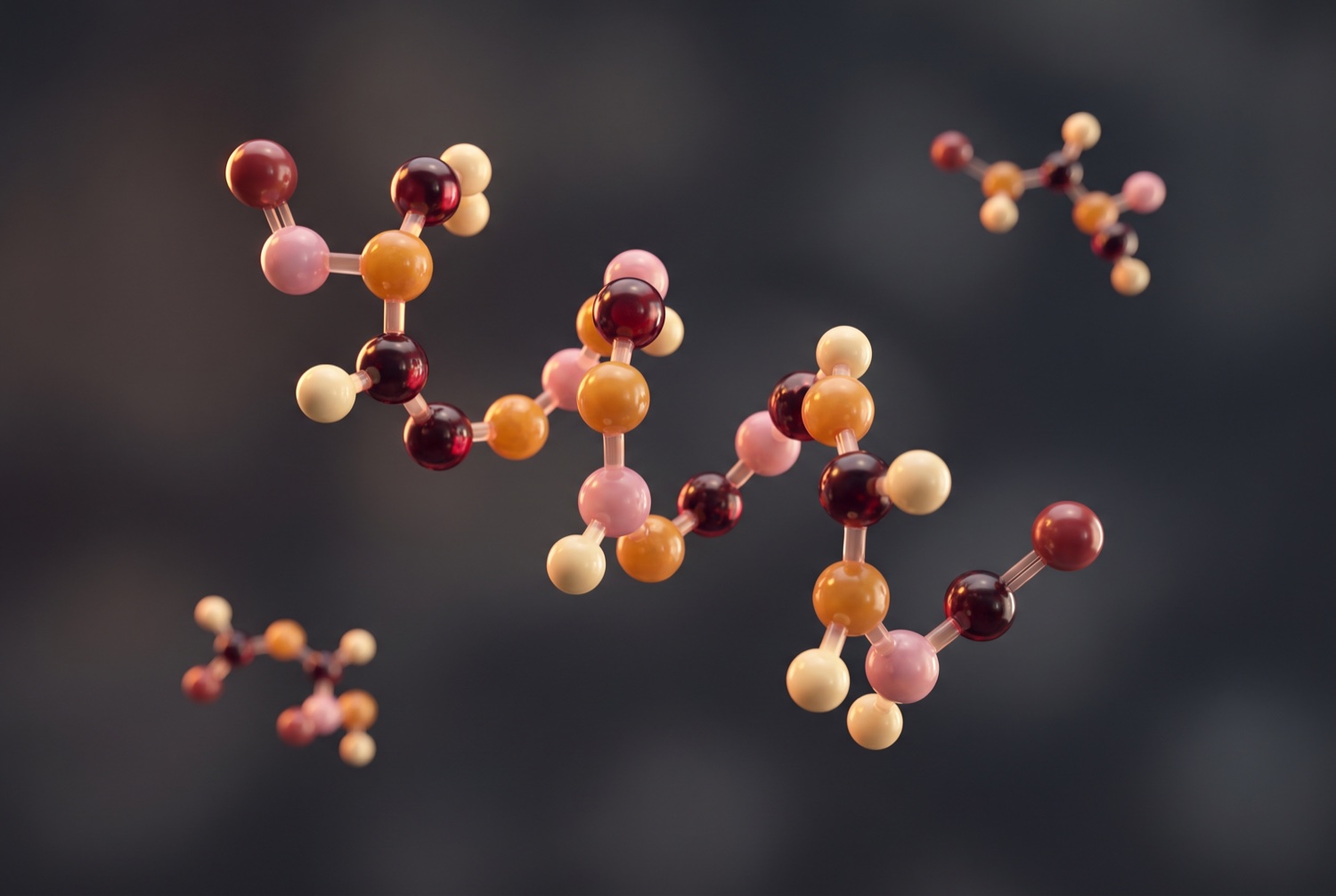
    3D visualisation of a peptide molecule

What to expect, step by step.

It begins with a conversation, and no obligation. Here is how treatment takes shape.

01

Free medical review

A physician reviews your child's history and development, their CP subtype, GMFCS level and your goals remotely. No cost, no obligation.

02

Eligibility & plan

The medical board studies your child's documents and tells you honestly whether we can help — then designs their protocol.

03

Laboratory preparation

Cells are collected, prepared and quality-tested in our own laboratory, with full traceability. About 2–3 weeks.

04

Treatment in Budapest

Delivered by infusion or targeted administration under medical supervision, with paediatric protocols set up for comfort. We arrange your flights, transfers and accommodation.

05

Supervised rehabilitation

A rehabilitation plan adapted to your child's age and functional level — gross motor, fine motor and speech support — at the centre or remotely.

06

Long-term follow-up

A medical wristband, a dedicated coordinator and ongoing access to track your child's development and reassess as they grow.

Safety, and an honest word on expectations.

The treatment is well-tolerated by children, with protocols adapted for age, weight and any co-occurring conditions such as epilepsy. Mild, short-lived reactions can happen — brief tiredness or sensitivity at the injection site — and usually pass within a day or two. Before every session there is a final on-site assessment; if your child's condition has changed, we adjust or postpone. We will only take a case when we believe we can realistically help.

Assessed individually before we proceed

  • Active infection or fever
  • Active cancer, or ongoing chemo- or radiotherapy
  • Severe heart or kidney failure
  • Pregnancy

These are standard contraindications. One alone does not automatically rule you out — each is weighed against your full clinical picture.

A patient receiving regenerative therapy in a calm treatment room, a clinician attending

The work continues after Budapest.

In a condition that changes as a child grows, the months after treatment matter as much as the treatment. A medical wristband streams movement data to our team, a rehabilitation specialist and a personal consultant stay in regular contact, and your child's protocol is adjusted as their development and needs change.

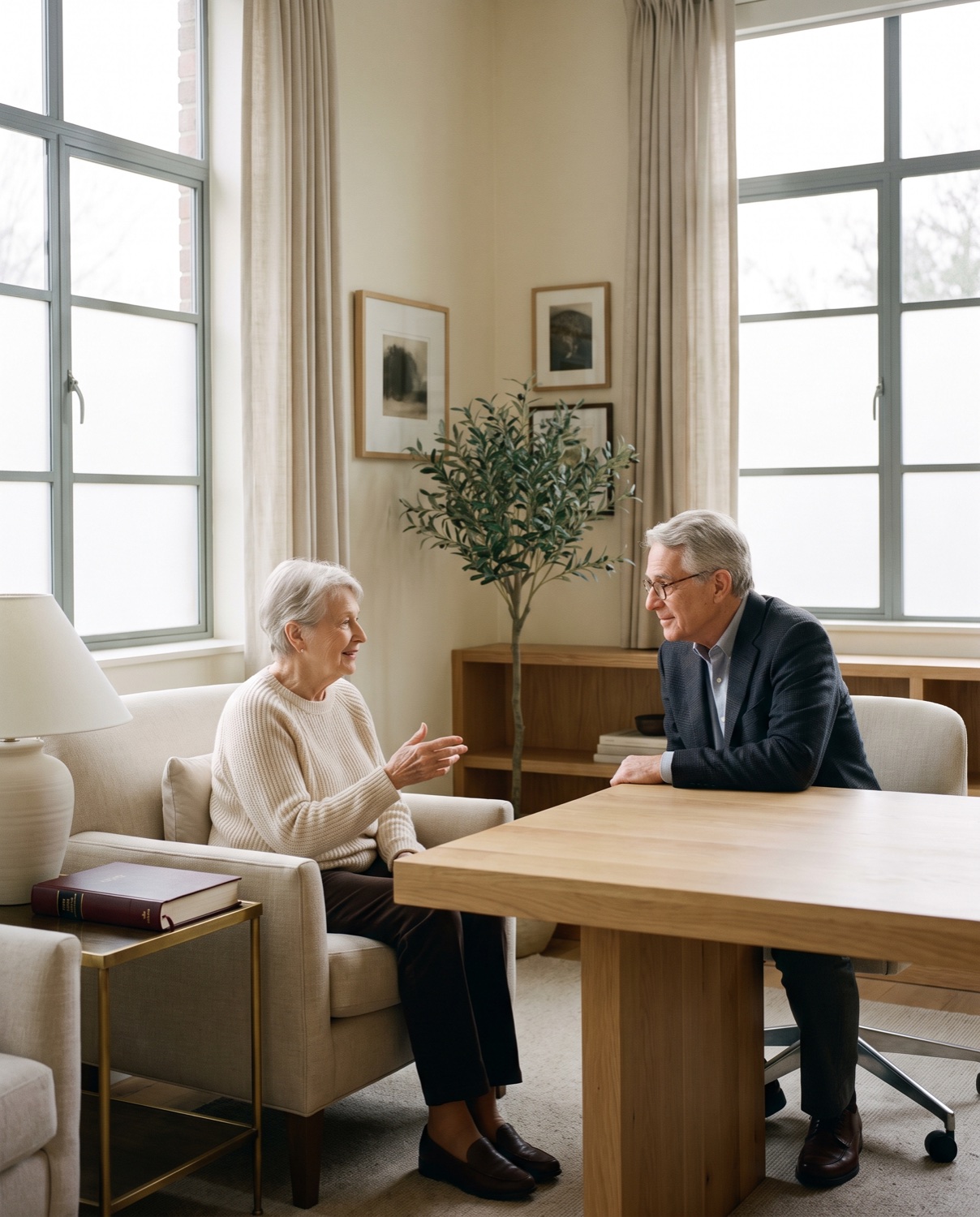
A patient and a member of the medical team in conversation at the institute

From the families of our CP patients.

Our son is five, with spastic diplegia. He could stand holding the furniture, but walking on his own seemed out of reach. A few months after the programme he took his first independent steps — short and wobbly, but his own. His physiotherapist in Turin called it the first real jump since he began rehab at two. He walks in orthoses now, where before he was in the chair full-time.
Mother of a patient · Spastic diplegia, GMFCS III · Italy
Our daughter is eight, with dyskinetic cerebral palsy, and the involuntary movements made everything tiring for her. Her trunk control is visibly steadier now. She sits for longer without tipping, and her hands reach more deliberately. Her speech therapist in Munich measured better oral control, and she targets the buttons on her communication device far more reliably.
Father of a patient · Dyskinetic CP, GMFCS IV · Germany
Our boy is eleven, with ataxic CP. His balance was poor, he fell often and his handwriting was hard to read. After Budapest his gait steadied and his writing became legible. He joined a football club last month. He would not have tried that a year ago.
Father of a patient · Ataxic CP, GMFCS II · United Kingdom
Our little one is three, with spastic quadriplegia, and holding his head up steadily had always been hard for him. It came gradually. He holds it up for longer now, follows us across the room with his eyes, and his trunk is less rigid. At his level, better head control changes how he takes in the whole world around him.
Mother of a patient · Spastic quadriplegia, GMFCS V · Netherlands
We were honest with ourselves that CP does not go away, and the team was honest with us too. What changed for our daughter is how much she manages on her own. Dressing, feeding herself, moving around the flat — the everyday things she used to need us for, she now does herself. Her physiotherapist in Milan sees the difference at every session.
Mother of a patient · Spastic diplegia, GMFCS II · Italy
Our son is seven, with a mixed form of CP. The stiffness in his legs had made every step effortful. Since the programme his tone has softened, his stride is longer, and he tires far less through the day. His school noticed before we said a word — they told us he keeps up with the other children in the yard now.
Father of a patient · Mixed CP, GMFCS II · France

Every child is different. Request a review to talk through your child's case with our medical team.
Request a medical review for your child.

Send us your child's diagnosis and we will review it. A medical advisor will be in touch — and will stay with you through the whole treatment as your direct line to the medical team. Free, and no obligation.

By submitting this form, you consent to Caplan processing your personal data for the purpose of medical consultation in accordance with applicable data protection regulations.

The evidence we build on.

Our approach draws on published, peer-reviewed research into cell and regenerative therapy for cerebral palsy. A selection of the studies that inform it:

These studies inform our protocol. They report findings from research populations, and every patient's response is different. We assess what they mean for your case individually.

  1. Cellular and Exosome-based Therapies in Neuroinflammatory SyndromesClinicalTrials.gov
  2. Evaluation of Stem/Stromal Cell Transplantation Safety and Efficacy in Children Diagnosed with Cerebral Palsy: A Systematic Review and Meta-Analysis of Randomized Controlled Trials (2025)PubMed 40877893
  3. Cord Blood Treatment for Children With Cerebral Palsy: Individual Participant Data Meta-Analysis (2025)PubMed 40210215
  4. Motor Function and Safety After Allogeneic Cord Blood and Cord Tissue-Derived Mesenchymal Stromal Cells in Cerebral Palsy: An Open-Label, Randomized Trial (2022)PubMed 35811372