
Gene therapy and genetic medicine
Gene therapy works on the genes behind a disease. It either changes how a gene works or delivers a working copy of a gene into cells. In neurology a small number of these medicines are approved, and more are in clinical trials. Caplan Institute does not provide gene therapy. We follow this research because, for some conditions we treat, it affects which tests a family needs.
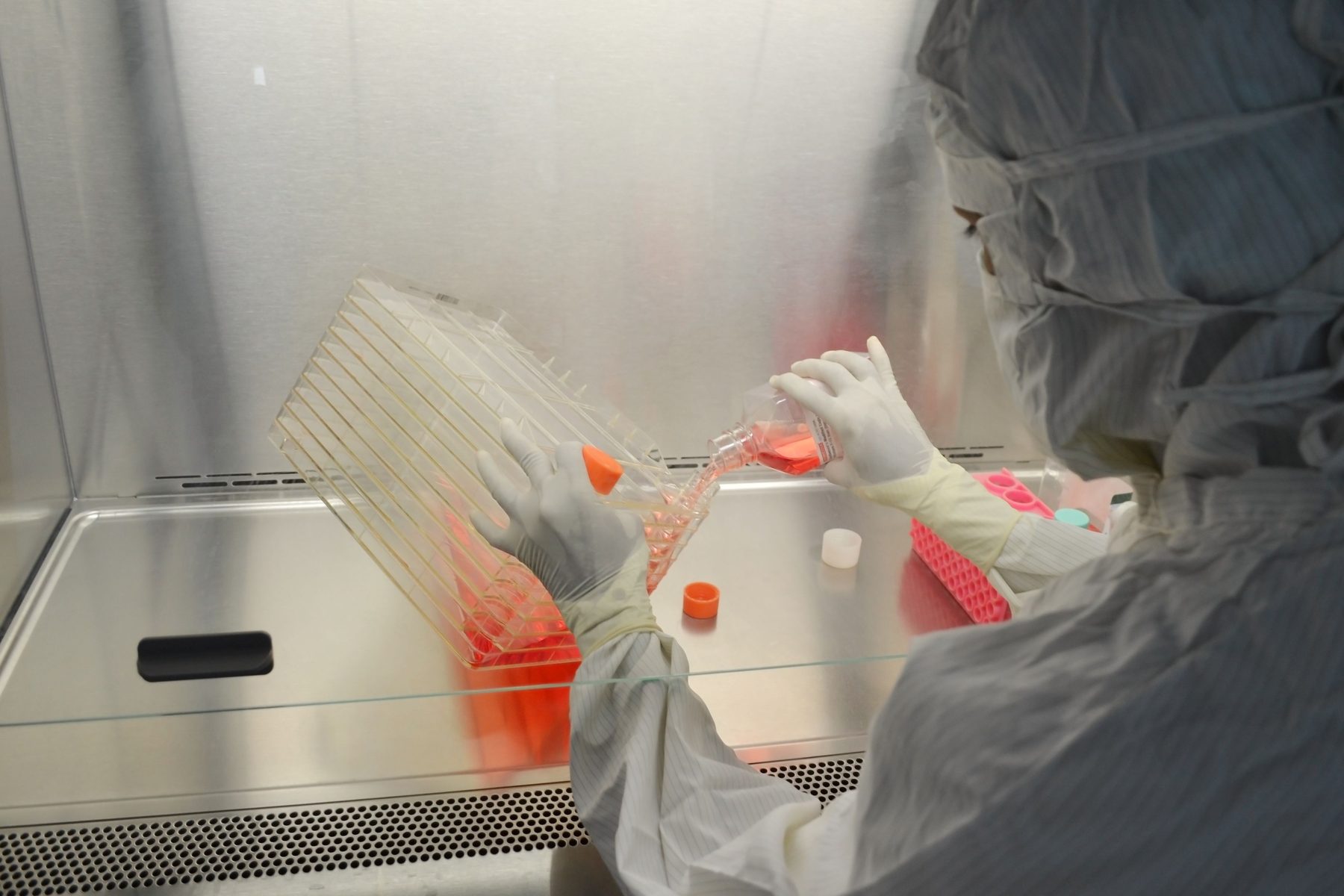
What gene therapy is.
The term covers several kinds of medicine. Two of them matter most for the diseases on this page.
- An antisense oligonucleotide is a short synthetic strand of genetic material. It changes how a gene works, for example by lowering the amount of a harmful protein the gene produces.
- A viral vector is a modified virus used as a carrier. It delivers a working copy of a gene into the cells that need it.
In the European Union, gene and cell therapies are regulated as advanced therapy medicinal products.
What is approved.
Tofersen (Qalsody) is an antisense medicine for ALS caused by mutations in the SOD1 gene. This form of ALS accounts for around 2 in every 100 people with the disease. Tofersen is given into the spinal fluid. It was approved in the US in 2023. In the EU, it was approved in 2024 under exceptional circumstances.
The phase 3 trial, published in 2022, included 108 people and did not meet its primary endpoint. The US granted accelerated approval based on a fall in neurofilament light, a blood marker of nerve damage.
Two viral-vector gene therapies are approved in the EU for rare conditions that begin in childhood. Zolgensma, for spinal muscular atrophy, was approved in the EU in 2020. Upstaza, for AADC deficiency, an inherited condition that affects how dopamine is made, was approved in 2022.
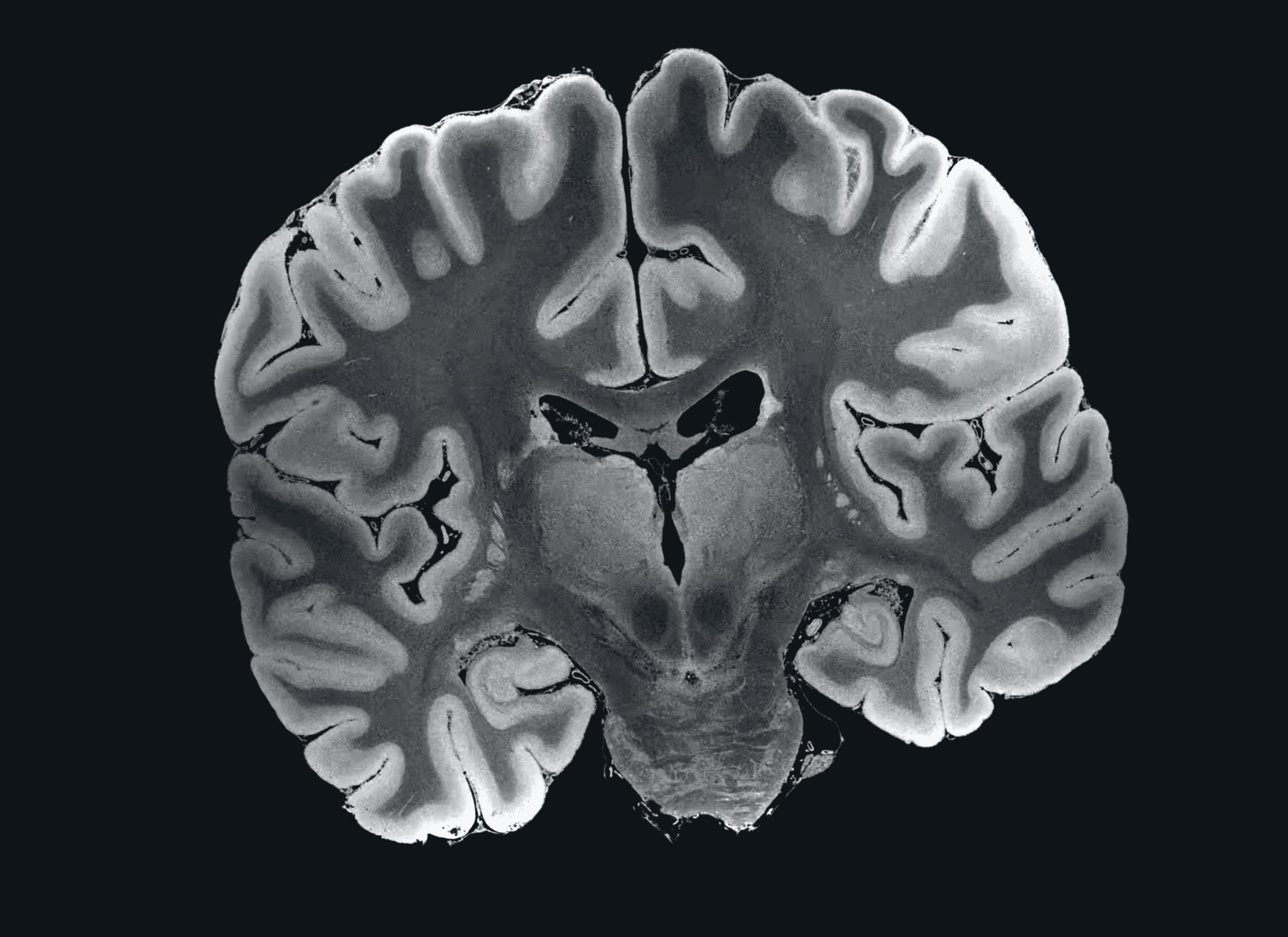
What is in clinical trials.
In Parkinson's disease, a gene therapy called AAV2-GDNF is being tested in a phase 2 trial, REGENERATE-PD (NCT06285643). It uses a viral vector to carry the gene for GDNF, a growth factor that is thought to support dopamine-producing neurons. The trial is randomised: the medicine is given into the putamen, a structure deep in the brain, and the comparison group has a sham operation.
For multiple sclerosis and MSA, no gene therapy is approved.

Why a genetic test can matter.
In ALS, a genetic test shows whether the disease is linked to a SOD1 mutation. Tofersen is considered only when such a mutation is found.
If a genetic test has already been done, send us the report with your other records, and the medical board will review it. If it has not, your patient coordinator can help you arrange one.
Gene therapy and our programme.
Gene therapy is not part of our Advanced Neuroregeneration programme. The programme brings together cell therapy with regulatory T cells and mesenchymal stromal cells, concentrated exosomes, peptide protocols, personalised non-invasive neurostimulation and neurorehabilitation, given as one course. For the conditions we treat, these methods are investigational.
If you already take tofersen or another prescribed medicine, tell your coordinator. Before the programme begins, the medical board checks your full medication list against the planned components.
Studies cited on this page
- Trial of Antisense Oligonucleotide Tofersen for SOD1 ALSMiller et al. N Engl J Med, 2022. PMID 36129998.
- A Study of AAV2-GDNF in Adults With Moderate Parkinson's Disease (REGENERATE-PD)ClinicalTrials.gov NCT06285643.

Send us your genetic report with your records.
If you are unsure whether a genetic test is needed, a patient coordinator can tell you what the medical board will want to see.
By submitting this form, you consent to Caplan processing your personal data for the purpose of medical consultation in accordance with applicable data protection regulations.