
Personalised medicine
No two programmes at Caplan Institute are the same. Our medical board builds each one after reviewing your records, imaging and test results. Biomarkers and genetic results are part of that review. They help record where you start and follow how things change over time.

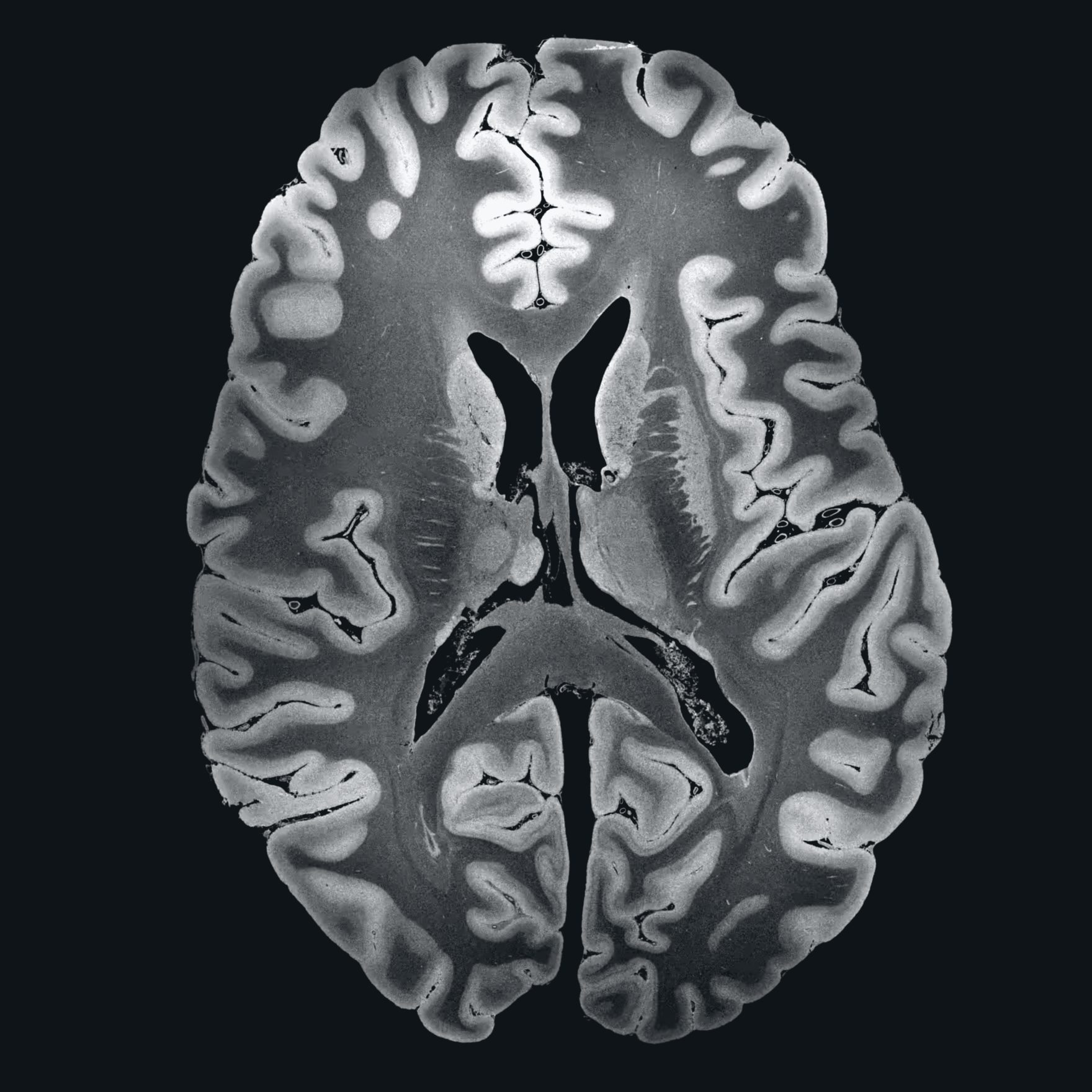
What the medical board reviews.
This work starts before any travel. A patient coordinator gathers your documents remotely, and the medical board studies them:
- medical records and the history of the disease;
- MRI and other imaging;
- the rating scales your neurologist uses, such as the EDSS in multiple sclerosis;
- EMG results;
- blood biomarkers and genetic results, where they are available.
From this, the board designs your protocol. Our Advanced Neuroregeneration programme brings together cell therapy with regulatory T cells and mesenchymal stromal cells, concentrated exosomes, peptide protocols, personalised non-invasive neurostimulation and neurorehabilitation, given as one course. The board decides which of these components to include and how they are combined, sequenced and dosed.
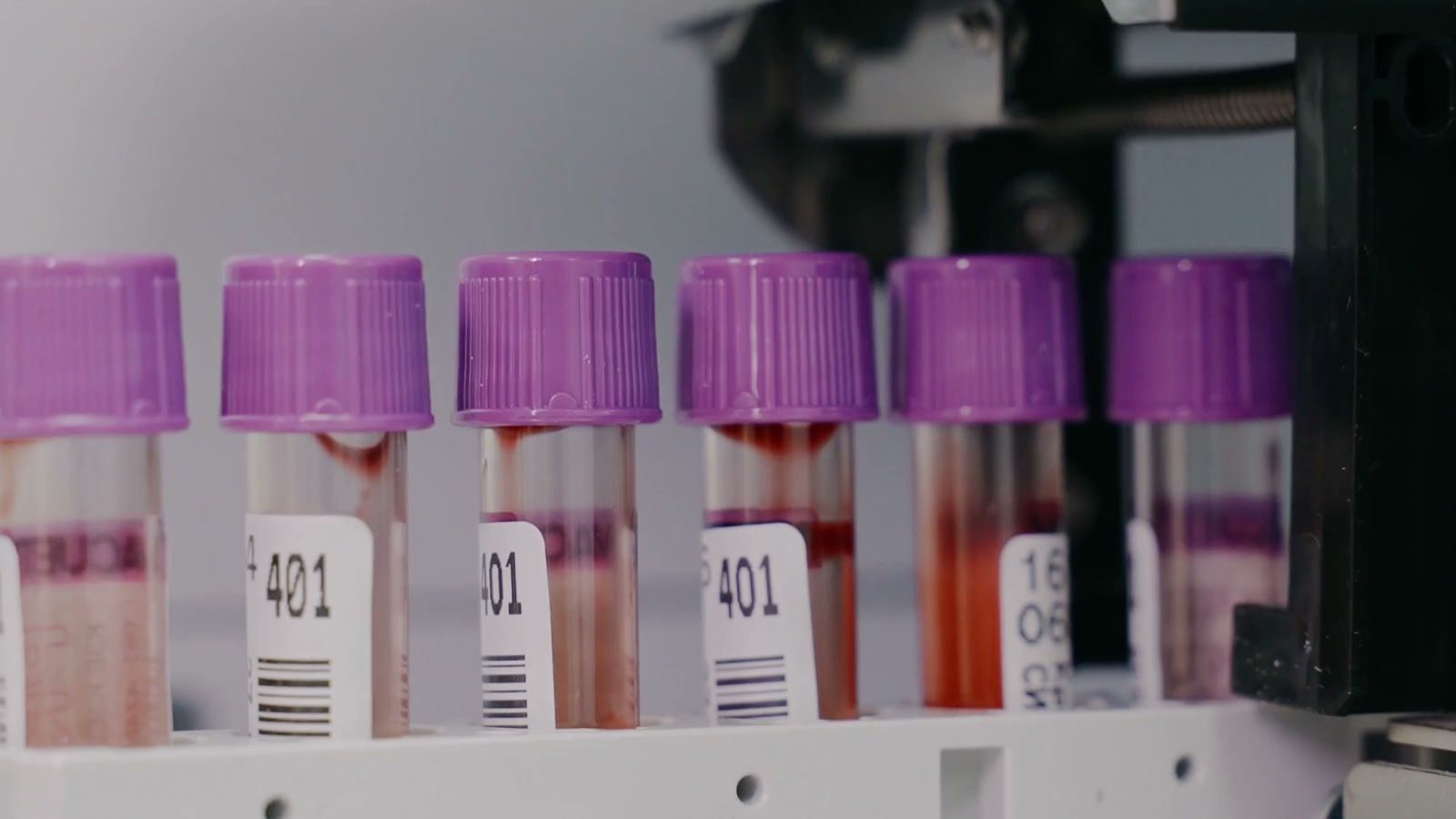
Neurofilament light.
Neurofilament light (NfL) is a protein from the inner structure of nerve fibres. When nerve fibres are damaged, it is released and can be measured in the blood.
In ALS, higher levels are linked with a faster course of the disease. In multiple sclerosis, NfL is linked with disease activity. A fall in NfL was the basis of the accelerated US approval of tofersen for SOD1 ALS.
The alpha-synuclein seed amplification assay.
In Parkinson's disease and MSA, a protein called alpha-synuclein misfolds and builds up in the nervous system. The seed amplification assay (SAA) detects the misfolded protein in spinal fluid.
A study in Lancet Neurology in 2023 tested spinal fluid from participants in the Parkinson's Progression Markers Initiative cohort. It reported high sensitivity and specificity for the test in Parkinson's disease. The test helps with diagnosis when Parkinson's disease or MSA is suspected, although results in MSA have so far been less consistent.
Genetic testing.
In ALS, a test for SOD1 mutations shows whether tofersen can be considered. You can read more on our page about gene therapy and genetic medicine.
How biomarkers are used in our programme.
If a test is needed, we refer you to have it done. If you already have results, the medical board reviews them with the rest of your records.
Biomarkers help the board document your starting point and follow how things change. On their own, they do not decide which components your programme includes. That decision rests on the whole clinical picture.
Studies cited on this page
- Assessment of heterogeneity among participants in the Parkinson's Progression Markers Initiative cohort using α-synuclein seed amplification: a cross-sectional studySiderowf et al. Lancet Neurol, 2023. PMID 37059509.
- Sensitivity and specificity of a seed amplification assay for diagnosis of multiple system atrophy: a multicentre cohort studyMa et al. Lancet Neurol, 2024. PMID 39577923.
- Trial of Antisense Oligonucleotide Tofersen for SOD1 ALSMiller et al. N Engl J Med, 2022. PMID 36129998.

Send us the results you already have.
Records, MRI reports and any blood or genetic results are all useful. A patient coordinator will tell you if the medical board needs anything else.
By submitting this form, you consent to Caplan processing your personal data for the purpose of medical consultation in accordance with applicable data protection regulations.