
What research is testing in neurological disease
Science is studying several new approaches to the conditions we treat, from gene therapy to blood tests that reflect nerve damage. A few are approved for specific diseases. Most are still in clinical trials, some with only a handful of patients so far. On this page we explain where each one stands and which of them are part of our Advanced Neuroregeneration programme.

How we read the research.
We follow published trials and registered studies in each of these areas, with attention to the conditions we treat. On these pages we keep three things apart: how a method is thought to work, what studies in people have found, and whether a regulator has approved it.
For each study, we describe how it was designed, how many people took part where this was reported, and what it found.
Five areas of research.
-
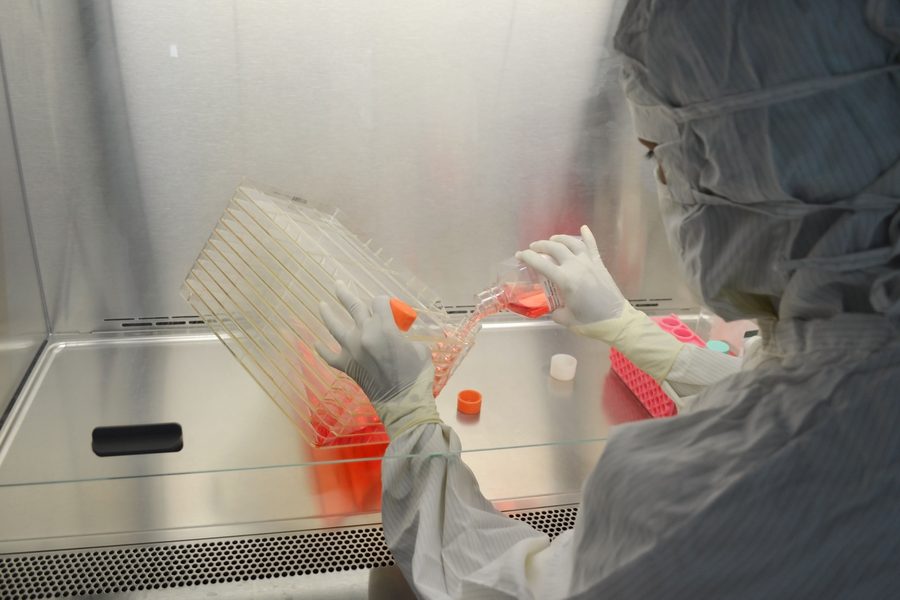
Gene therapy and genetic medicine
Gene therapy works on the genes behind a disease. An antisense medicine changes how a gene works, while a viral vector delivers a working copy of a gene into cells. In neurology, some of these medicines are approved. Tofersen is approved for ALS caused by SOD1 mutations, and there are gene therapies for spinal muscular atrophy and AADC deficiency. A gene therapy for Parkinson's disease is in a phase 2 trial. For multiple sclerosis and MSA, no gene therapy is approved.
-
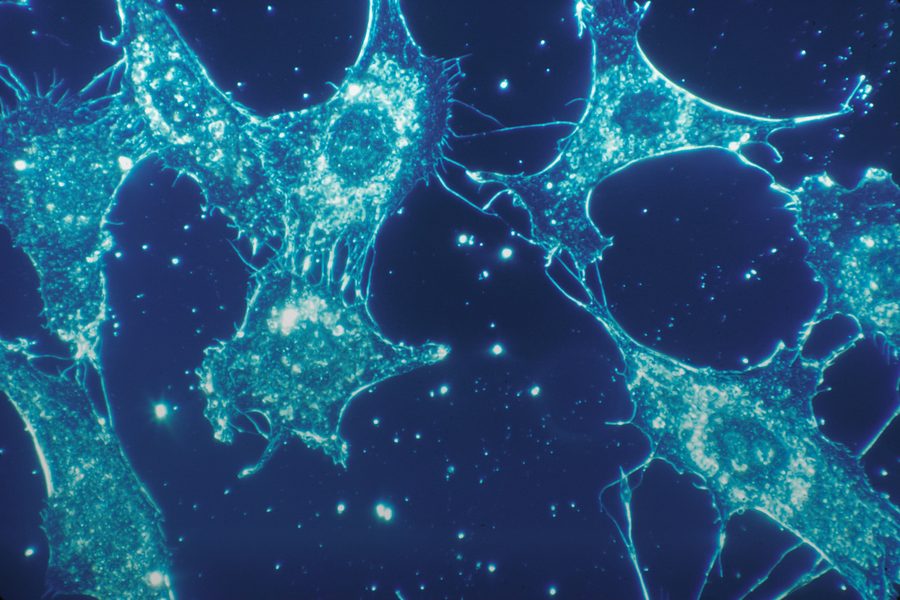
Muse cells
Muse cells are a small subgroup of cells found among mesenchymal stromal cells and fibroblasts. They were first described in Japan in 2010. Researchers are studying whether they can find damaged tissue in the body. Trials in stroke and ALS were published in 2023. Muse cells are not approved for any condition.
-
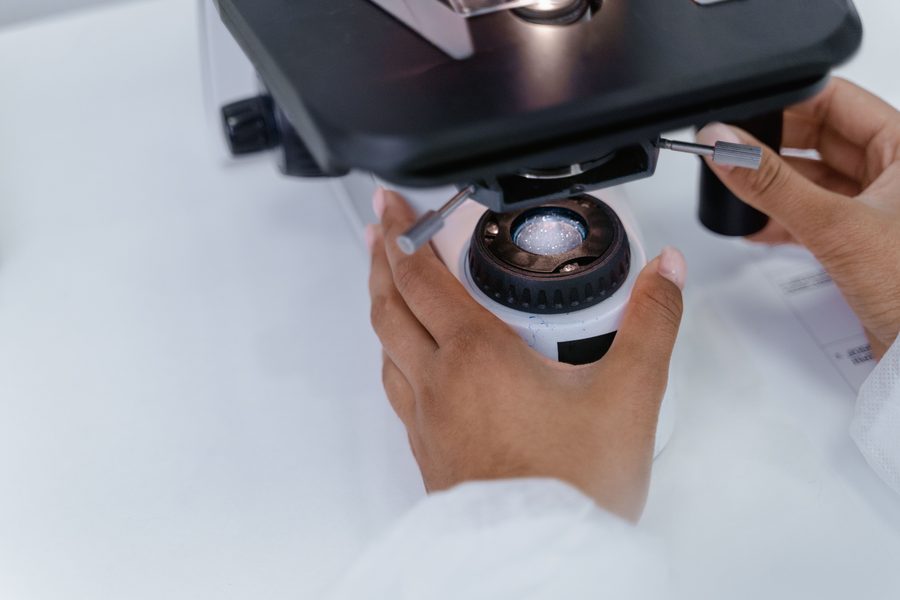
New generations of cells for Parkinson's disease
In 2025, two teams published early clinical studies in Parkinson's disease. In both, cells grown to become dopamine-producing neurons were transplanted into the brain. One team grew them from embryonic stem cells and the other from induced pluripotent stem (iPS) cells. Twelve patients took part in the first study, a phase 1 trial, and seven in the second, a phase 1/2 trial. These are first studies in people, and the approach is not approved.
-
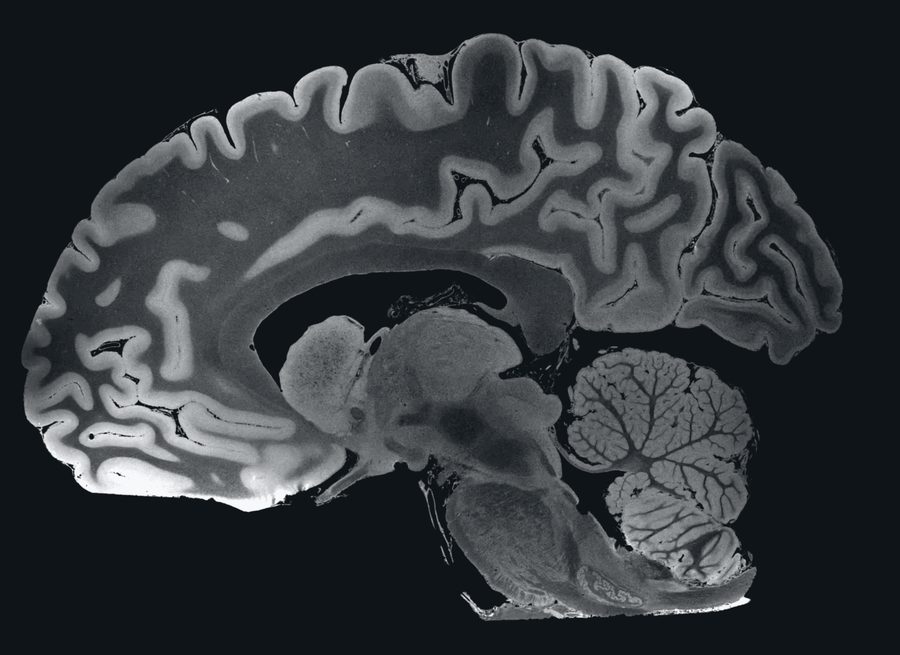
Delivery to the brain through the nose
The blood–brain barrier keeps most cells and molecules in the blood out of the brain. One route around it runs from the nose along the olfactory and trigeminal nerves. Exosomes are small enough to be studied for this route, and a trial in people with Alzheimer's disease was published in 2023. Early trials in stroke and Parkinson's disease are registered.
-
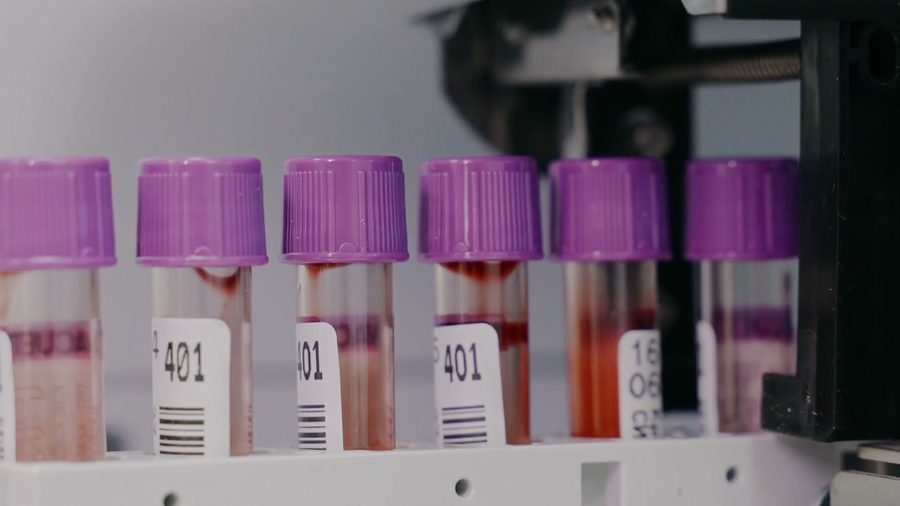
Biomarkers
Biomarkers are measurements that reflect what a disease is doing in the body. Neurofilament light in the blood reflects damage to nerve fibres. A test for alpha-synuclein in spinal fluid helps with diagnosis in Parkinson's disease, and it is also being studied in MSA. In ALS, genetic testing shows whether the disease is linked to the SOD1 gene.
What is part of our programme.
Our Advanced Neuroregeneration programme brings together cell therapy with regulatory T cells and mesenchymal stromal cells, concentrated exosomes, peptide protocols, personalised non-invasive neurostimulation and neurorehabilitation. These parts are combined in one programme and given as one course. The medical board builds each plan after reviewing your documents.
Two of the areas above are already part of this programme:
- concentrated exosomes, given through the nose as one part of the programme; for the conditions we treat, this method is investigational;
- biomarker and genetic results: we refer you for the tests you need, or the medical board reviews the results you already have.
Gene therapy, Muse cells and dopamine-cell transplants are not part of our programme, and Caplan Institute does not provide them. We follow these trials as their results are published.
Studies cited on this page
- Trial of Antisense Oligonucleotide Tofersen for SOD1 ALSMiller et al. N Engl J Med, 2022. PMID 36129998.
- A Study of AAV2-GDNF in Adults With Moderate Parkinson's Disease (REGENERATE-PD)ClinicalTrials.gov NCT06285643.
- Randomized placebo-controlled trial of CL2020, an allogenic Muse cell-based product, in subacute ischemic strokeNiizuma et al. J Cereb Blood Flow Metab, 2023. PMID 37756573.
- Safety and Clinical Effects of a Muse Cell-Based Product in Patients With Amyotrophic Lateral Sclerosis: Results of a Phase 2 Clinical TrialYamashita et al. Cell Transplant, 2023. PMID 38014622.
- Phase I trial of hES cell-derived dopaminergic neurons for Parkinson's diseaseTabar et al. Nature, 2025. PMID 40240592.
- Phase I/II trial of iPS-cell-derived dopaminergic cells for Parkinson's diseaseSawamoto et al. Nature, 2025. PMID 40240591.
- Intranasal delivery of mesenchymal stem cells-derived extracellular vesicles for the treatment of neurological diseasesHerman et al. Stem Cells, 2021. PMID 34520591.
- Intranasal administration of stem cell-derived exosomes for central nervous system diseasesGotoh et al. Neural Regen Res, 2024. PMID 37905871.
- Clinical safety and efficacy of allogenic human adipose mesenchymal stromal cells-derived exosomes in patients with mild to moderate Alzheimer's disease: a phase I/II clinical trialXie et al. Gen Psychiatr, 2023. PMID 37859748.
- Safety of Cultured Allogeneic Adult Umbilical Cord or Placental Derived Mesenchymal Stem Cell Exosome Intranasal Instillations for the Treatment of StrokeClinicalTrials.gov NCT05158101.
- Clinical Safety and Efficacy of Umbilical Cord Mesenchymal Stromal Cells-derived Exosomes in Patients With Parkinson's DiseaseClinicalTrials.gov NCT07923838.
- Assessment of heterogeneity among participants in the Parkinson's Progression Markers Initiative cohort using α-synuclein seed amplification: a cross-sectional studySiderowf et al. Lancet Neurol, 2023. PMID 37059509.

Ask how this research relates to your diagnosis.
Send us the diagnosis and your recent records. The medical board will review them, and a patient coordinator will explain what it found and what the next step is.
By submitting this form, you consent to Caplan processing your personal data for the purpose of medical consultation in accordance with applicable data protection regulations.