
Targeted brain delivery
The brain is protected by the blood–brain barrier, which keeps most cells and molecules in the blood out of it. Researchers are studying ways to reach the brain around this barrier, and one of them runs through the nose. Concentrated exosomes given through the nose are one part of our Advanced Neuroregeneration programme. For the conditions we treat, this method is investigational.
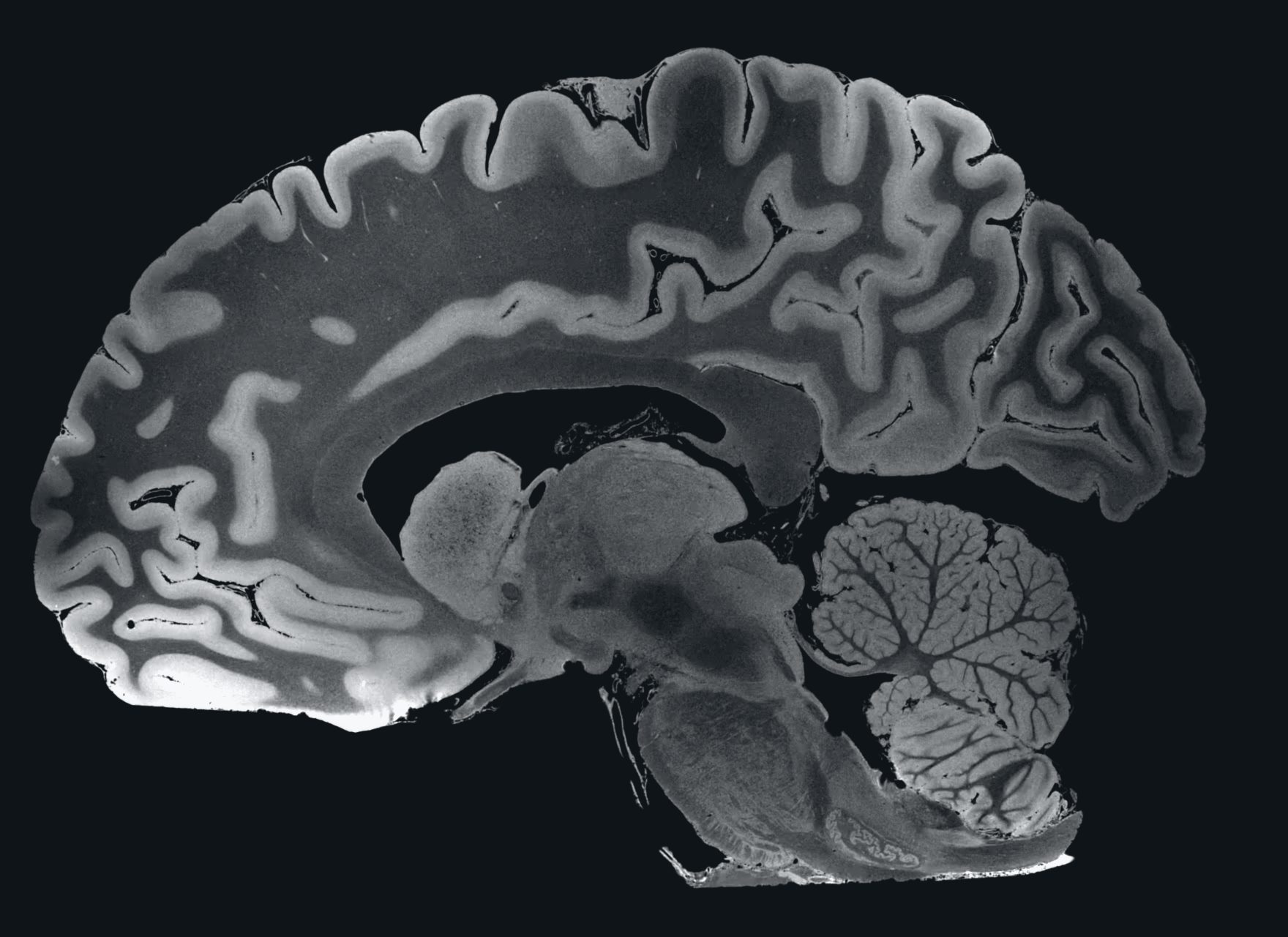
Why the brain is hard to reach.
The blood–brain barrier lines the blood vessels of the brain and controls what passes from the blood into brain tissue. It protects the brain. It also keeps out most cells and molecules, including many that are given as treatment.
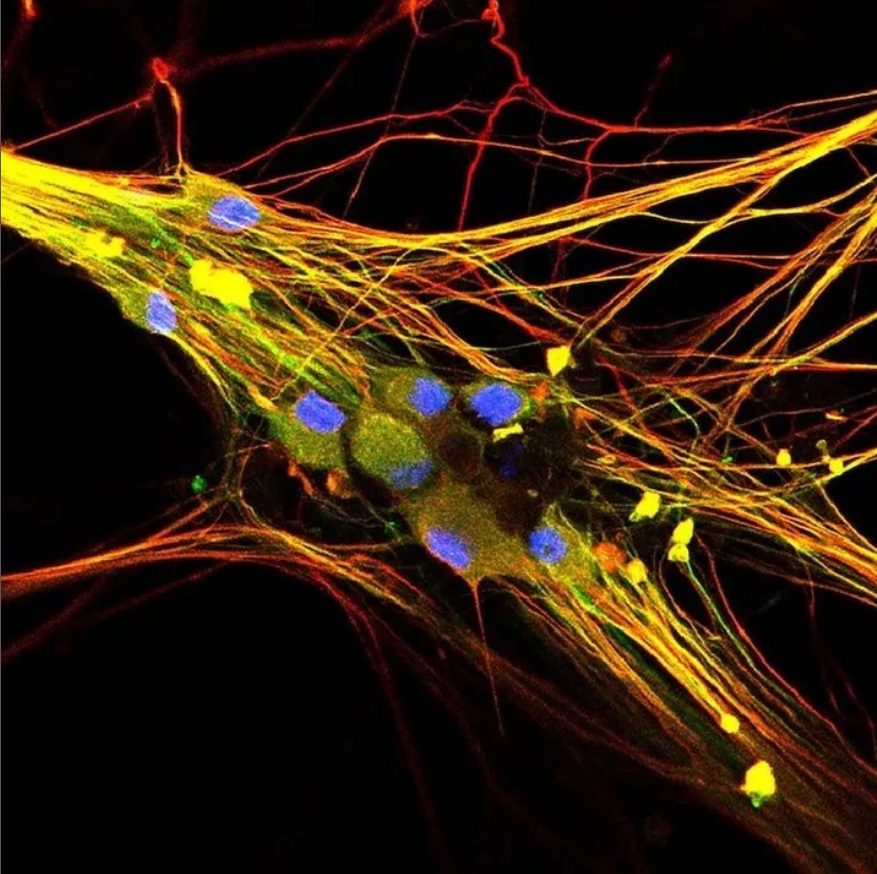
The route from the nose to the brain.
Two nerves link the nose with the brain: the olfactory nerve, which carries the sense of smell, and the trigeminal nerve, which carries sensation from the face. Reviews published in 2021 and 2024 describe how substances placed in the nose can travel along them.
Exosomes are tiny vesicles that cells release to carry proteins and other signals to one another. Researchers study them for this route because of their small size and what they carry.
What studies in people have found so far.
A trial in people with Alzheimer's disease was published in 2023. It was an open-label phase I/II study at a single centre, with no control group. Nine patients took part, three at each dose. They received a nasal spray of exosomes from mesenchymal stromal cells twice a week for 12 weeks. The authors reported no adverse events.
Early trials in stroke and Parkinson's disease are registered, and safety is the main aim of both. The stroke trial (NCT05158101) is phase 1. It uses exosomes from umbilical cord or placental mesenchymal cells, given as drops in the nose. The Parkinson's trial (NCT07923838) is phase 1/2 and includes people at an early stage of the disease. It uses exosomes from umbilical cord mesenchymal stromal cells, given as a nasal spray.
In studies in animals, exosomes given into a vein collect mostly in the liver, and in smaller amounts in the lungs, spleen and kidneys. How exosomes cross the blood–brain barrier is poorly understood, which is one reason researchers are looking at the route through the nose.

How our programme uses this route.
Exosomes given through the nose are one part of a wider programme. Our Advanced Neuroregeneration programme brings together cell therapy with regulatory T cells and mesenchymal stromal cells, concentrated exosomes, peptide protocols, personalised non-invasive neurostimulation and neurorehabilitation, given as one course. Giving exosomes through the nose involves no surgery or general anaesthesia.
The medical board decides whether exosomes are included in your plan and how they are combined with the other parts of the programme. For the conditions we treat, exosomes given through the nose are investigational. They are studied in clinical research and are not yet part of standard care.
Studies cited on this page
- Intranasal delivery of mesenchymal stem cells-derived extracellular vesicles for the treatment of neurological diseasesHerman et al. Stem Cells, 2021. PMID 34520591.
- Intranasal administration of stem cell-derived exosomes for central nervous system diseasesGotoh et al. Neural Regen Res, 2024. PMID 37905871.
- Clinical safety and efficacy of allogenic human adipose mesenchymal stromal cells-derived exosomes in patients with mild to moderate Alzheimer's disease: a phase I/II clinical trialXie et al. Gen Psychiatr, 2023. PMID 37859748.
- Safety of Cultured Allogeneic Adult Umbilical Cord or Placental Derived Mesenchymal Stem Cell Exosome Intranasal Instillations for the Treatment of StrokeClinicalTrials.gov NCT05158101.
- Clinical Safety and Efficacy of Umbilical Cord Mesenchymal Stromal Cells-derived Exosomes in Patients With Parkinson's DiseaseClinicalTrials.gov NCT07923838.
- Biodistribution of extracellular vesicles following administration into animals: A systematic reviewKang et al. J Extracell Vesicles, 2021. PMID 34194679.

Ask whether exosomes could be part of your plan.
The medical board decides this for each patient after reviewing the diagnosis, imaging and history. Send us the records you have, and a patient coordinator will guide you through the next step.
By submitting this form, you consent to Caplan processing your personal data for the purpose of medical consultation in accordance with applicable data protection regulations.